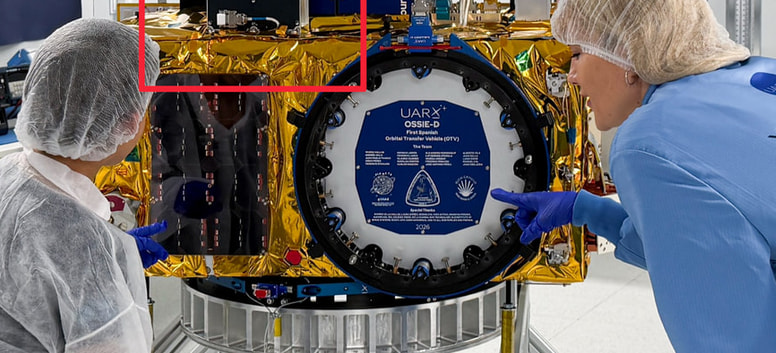
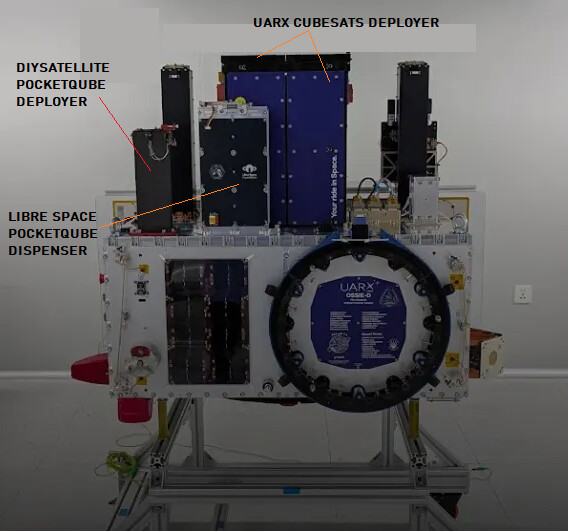
same with the kid, i’m wondering what inside and function of these “space drum”
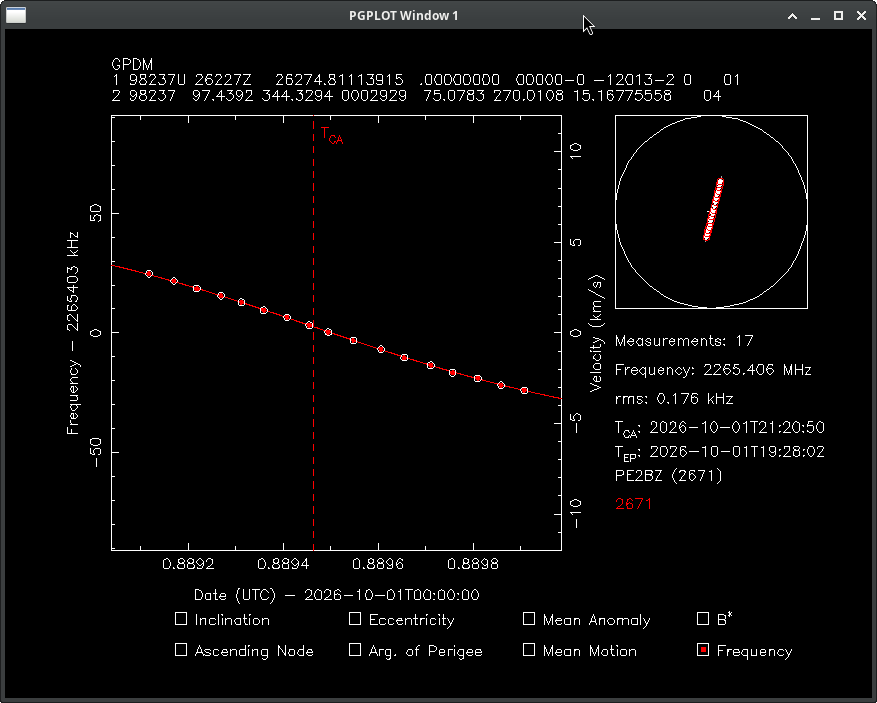
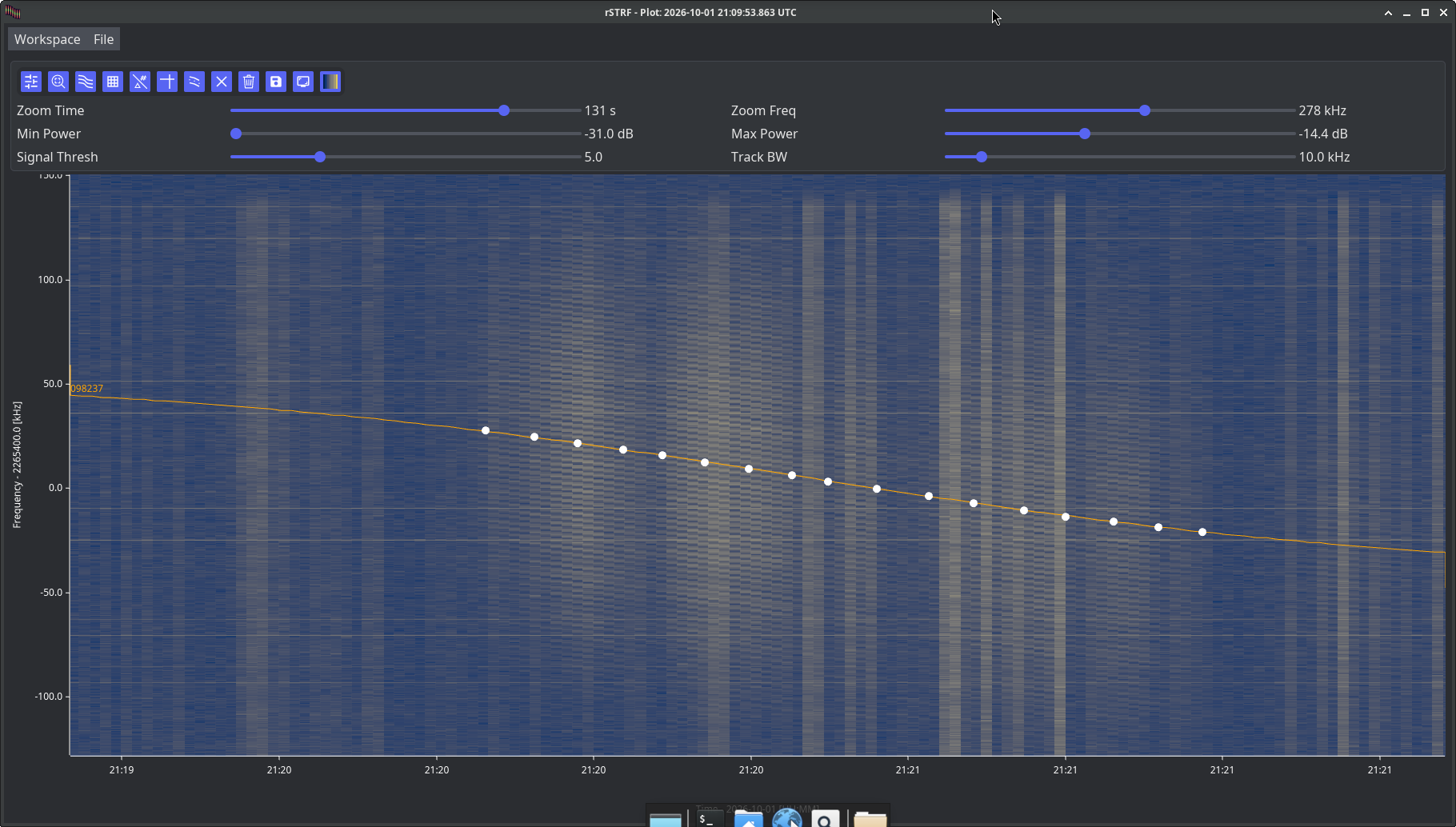
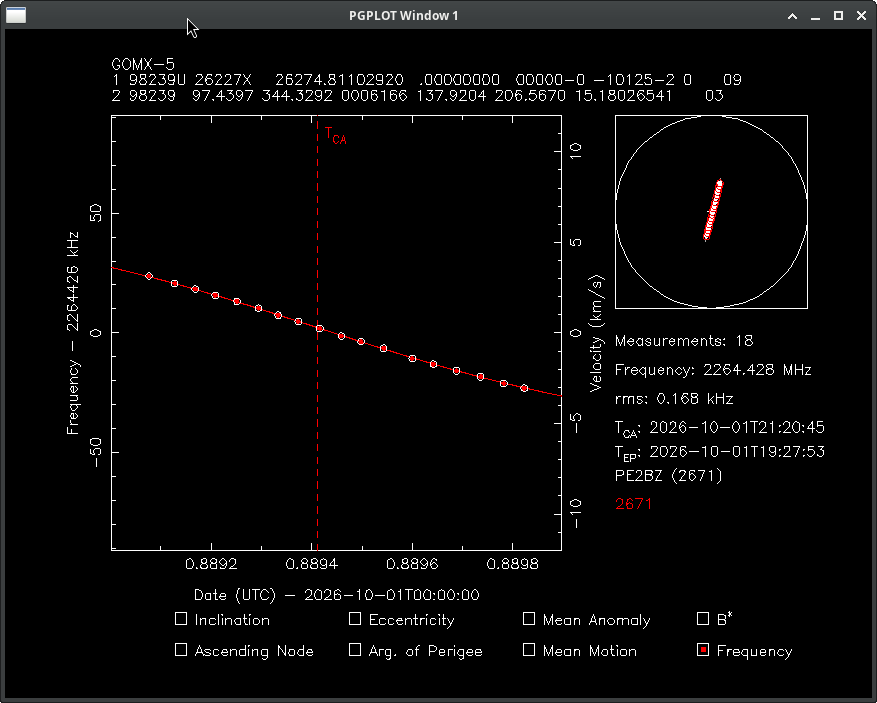
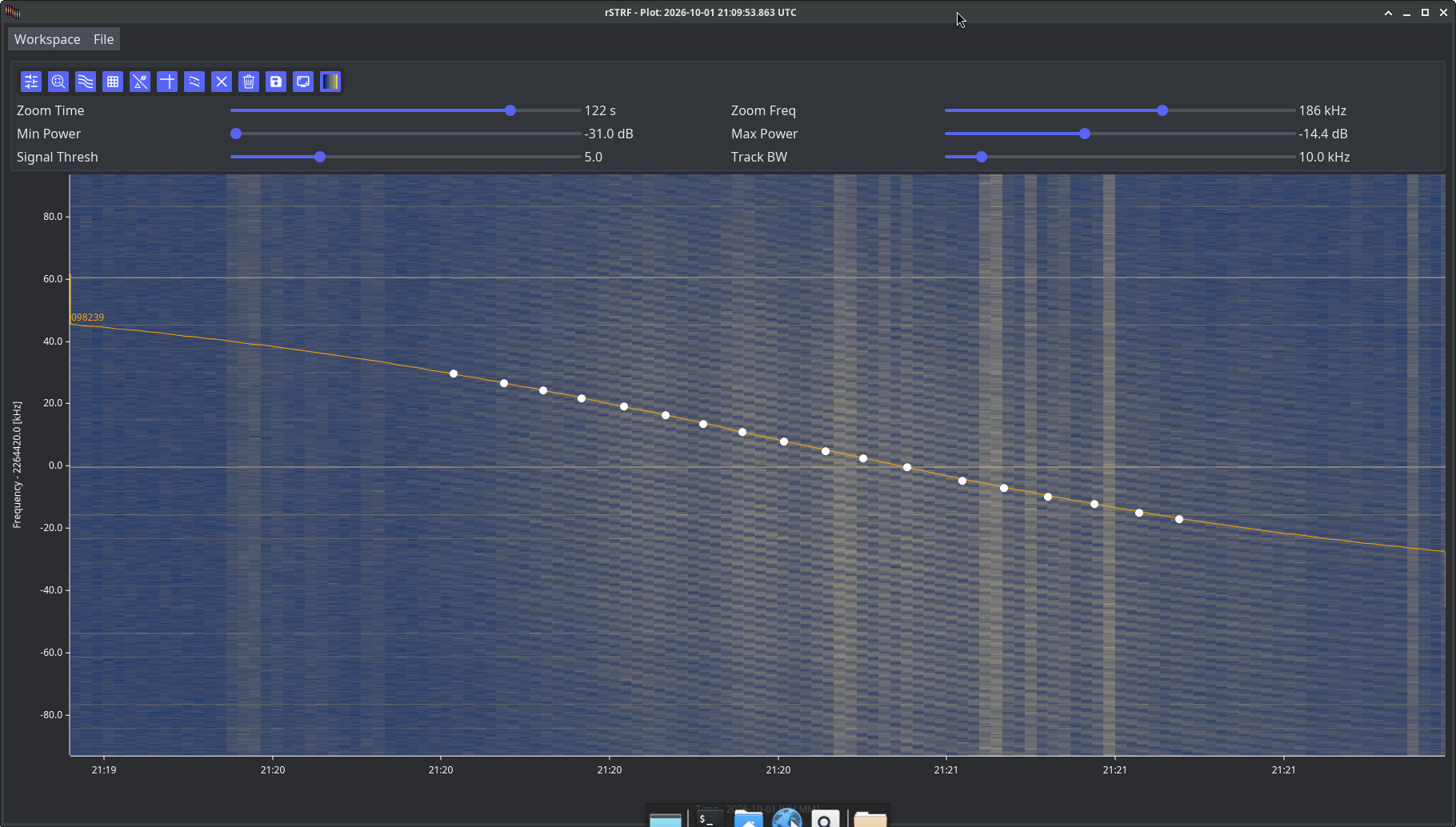
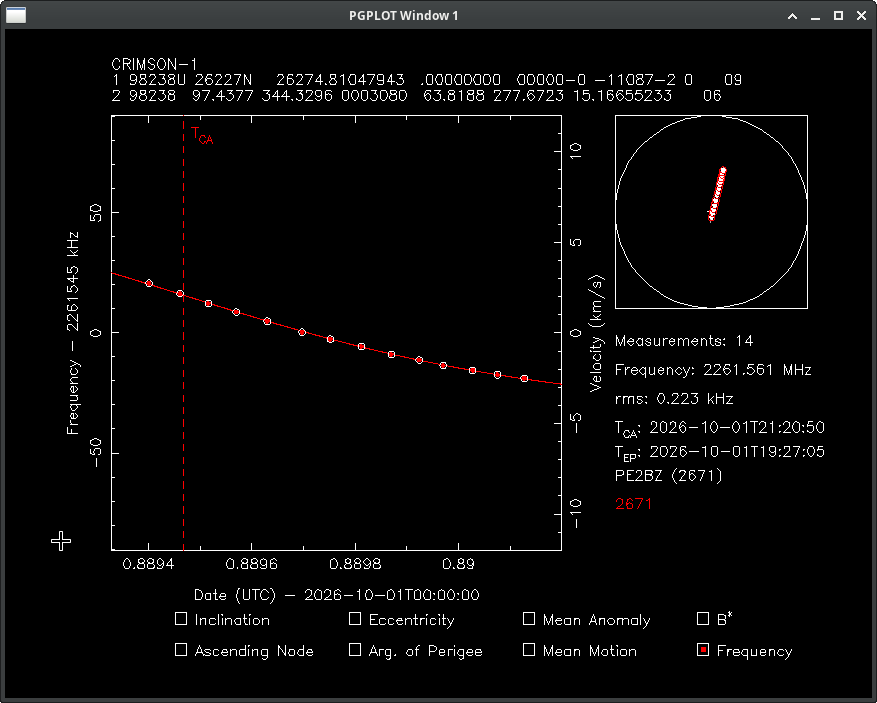
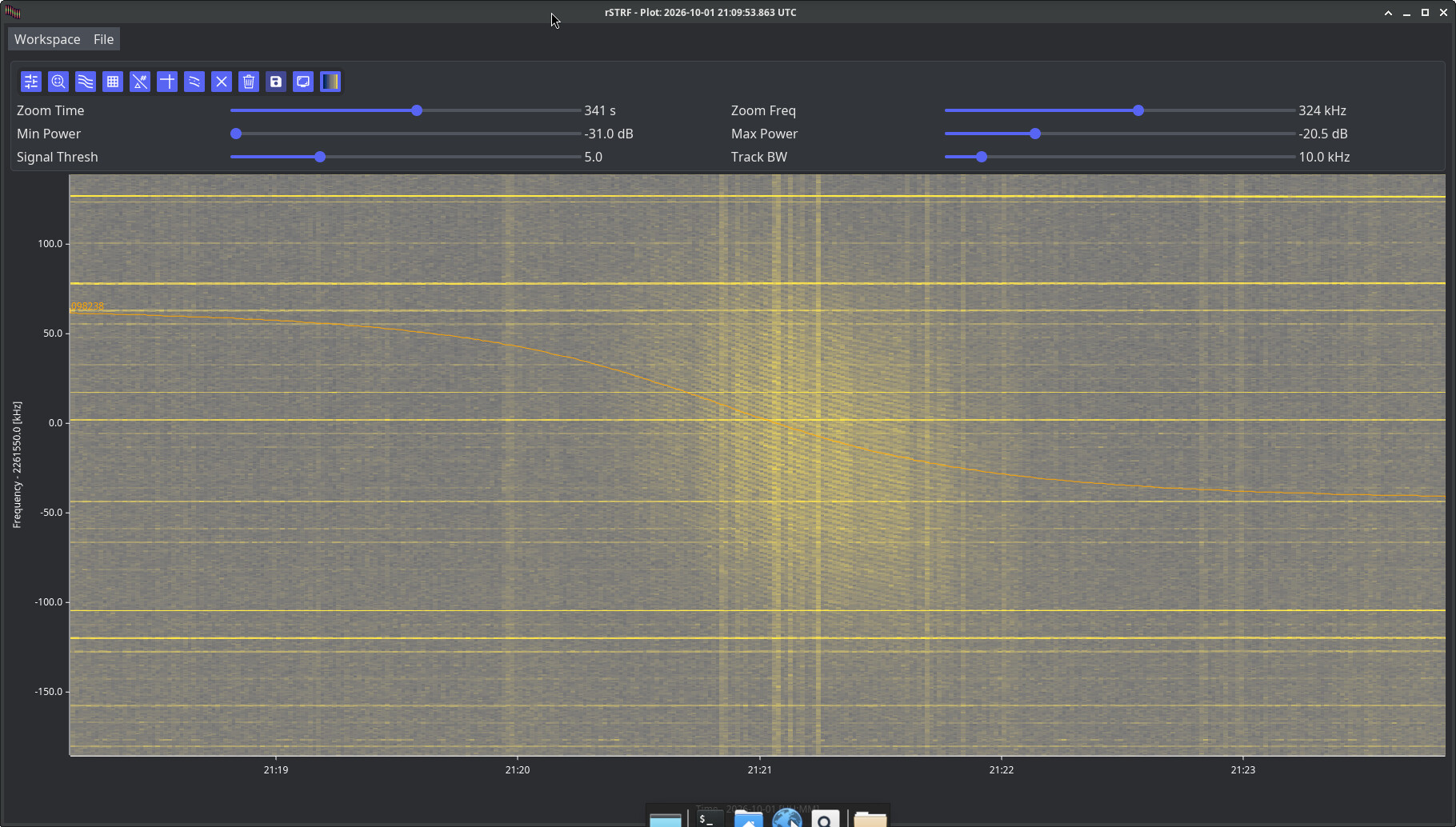
@sarc_op can you verify that this is CRIMSON?
“Space tug” is the official acronym for UARX’s OSSIE-D, but how do you translate that into German for journalists and reader. So I invented the “Space-Taxi” to explain it and our Picobus deployer is the suitcase in the trunk with all its little passengers.. 
1 Like
TUG often means a tugboat—a vessel that pushes or pulls ships. It can also mean a tug vehicle used to tow aircraft or carts.
the funny part of this image is, there are new term pocketqube deployer, and pocketqube dispenser. i’m confuse..
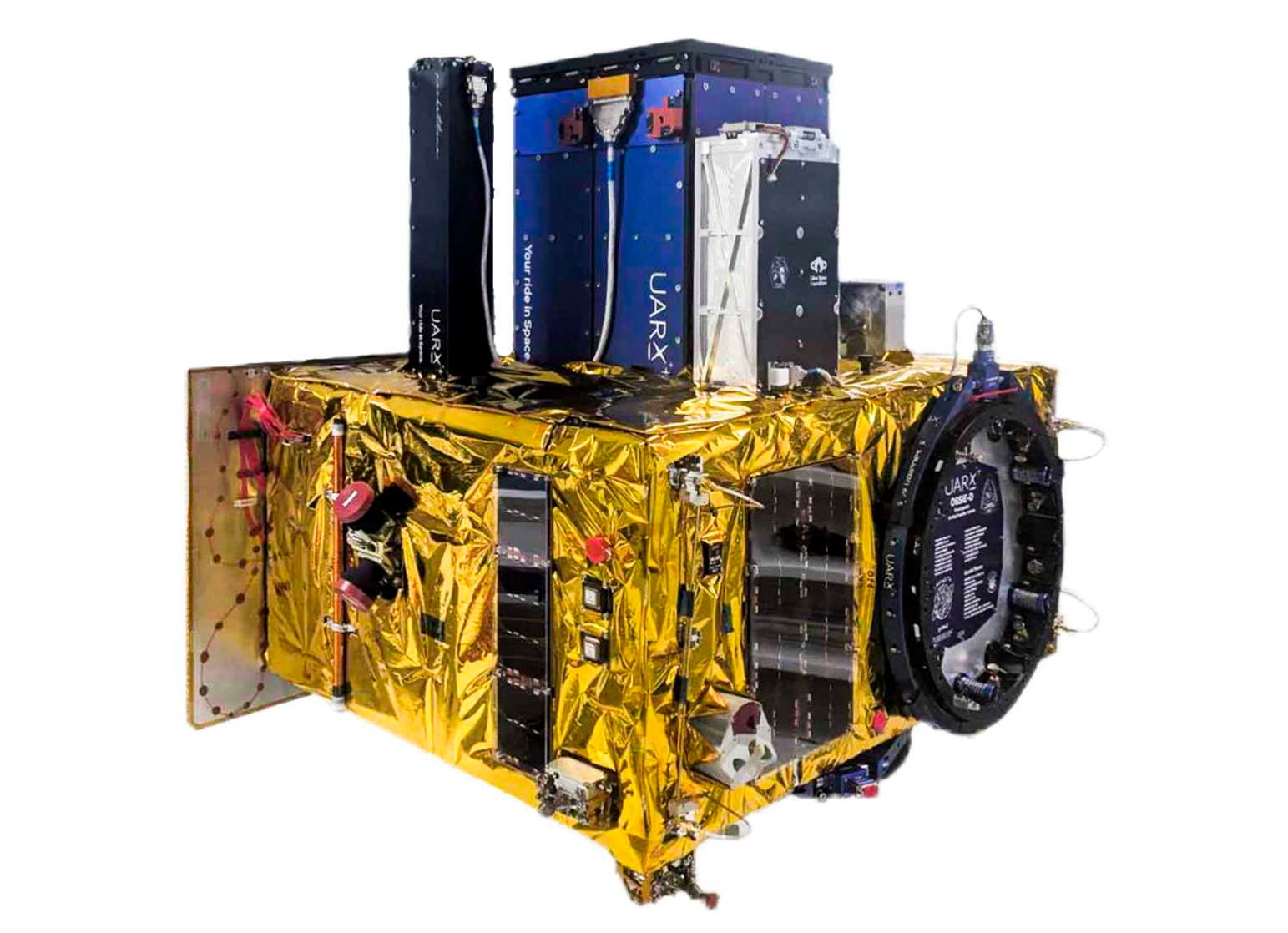
Orbit Solutions to Simplify Injection and Exploration OTV TUG
yeah this is real space TUG. space TOW. lol . but i’m wondering why on their official site they never say it as TUG.
1 Like
maybe that is active propulsion…
The terminology is an interesting point, but let’s keep this thread focused on identifying the satellites and matching them to the tracked objects and their TLEs.
If anyone has reception reports or deployment information that could help identify OSSIE-D and its payloads, please share them here. We can discuss “deployer,” “dispenser,” and “space tug” in a separate thread.
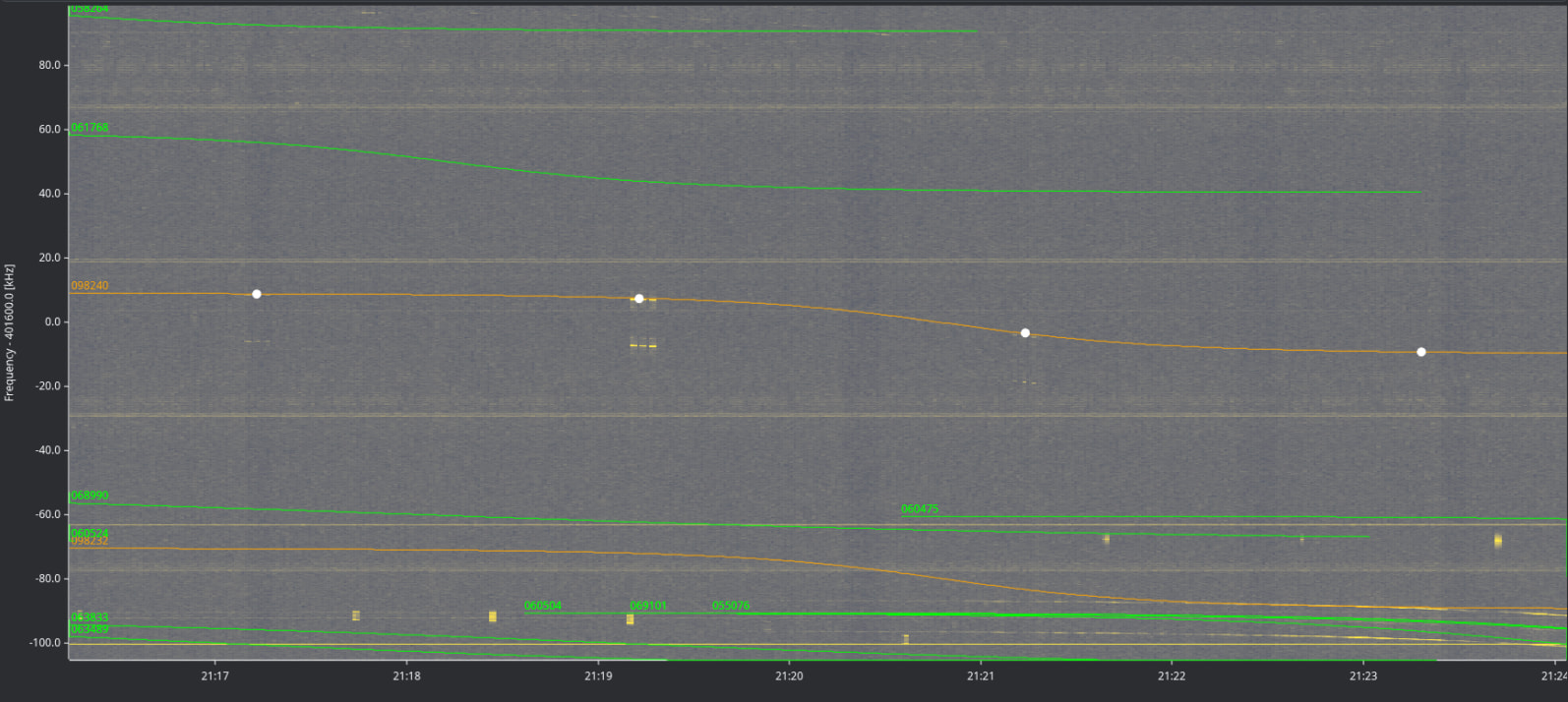
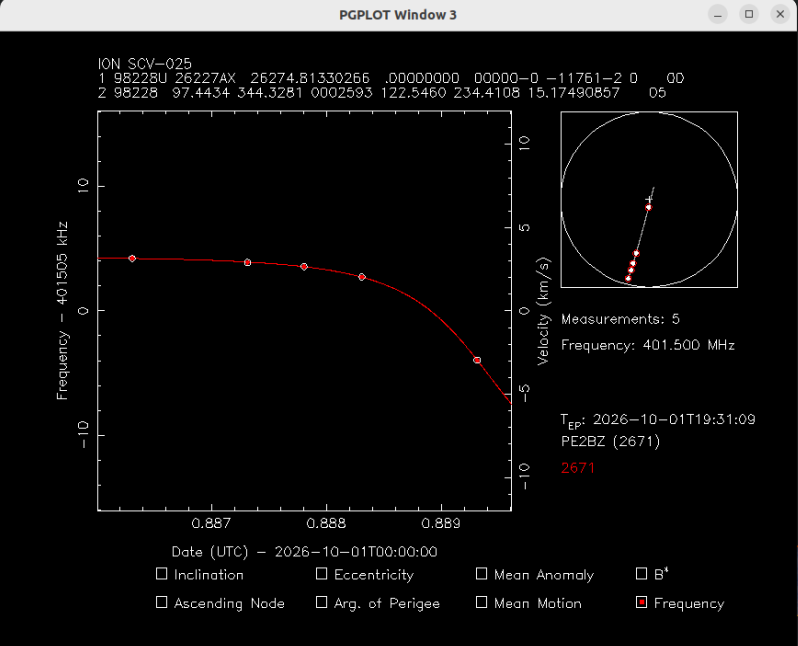
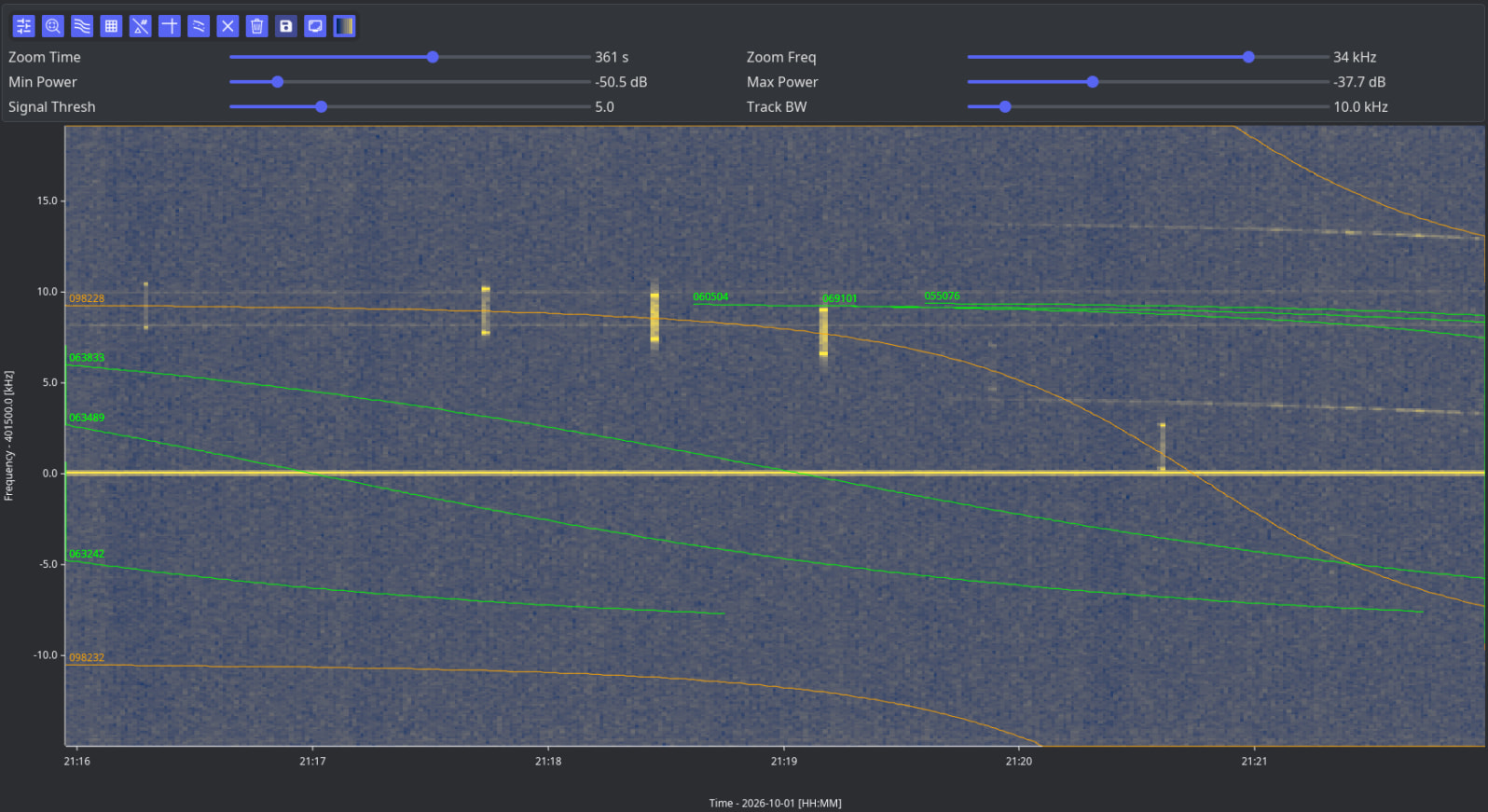
At only 25° elevation, I don’t have any decodes to share from OSSIED. However, there was a fairly good match on 401.525 (keeping in mind that the TLEs are estimated). Appeared to be something in the area of 2400 baud, but again, even the strongest packet was too weak to decode. I should be able to determine the modulation & framing on a higher pass w/ stronger packets. (from ~1513utc, 02-Oct, USA-East)
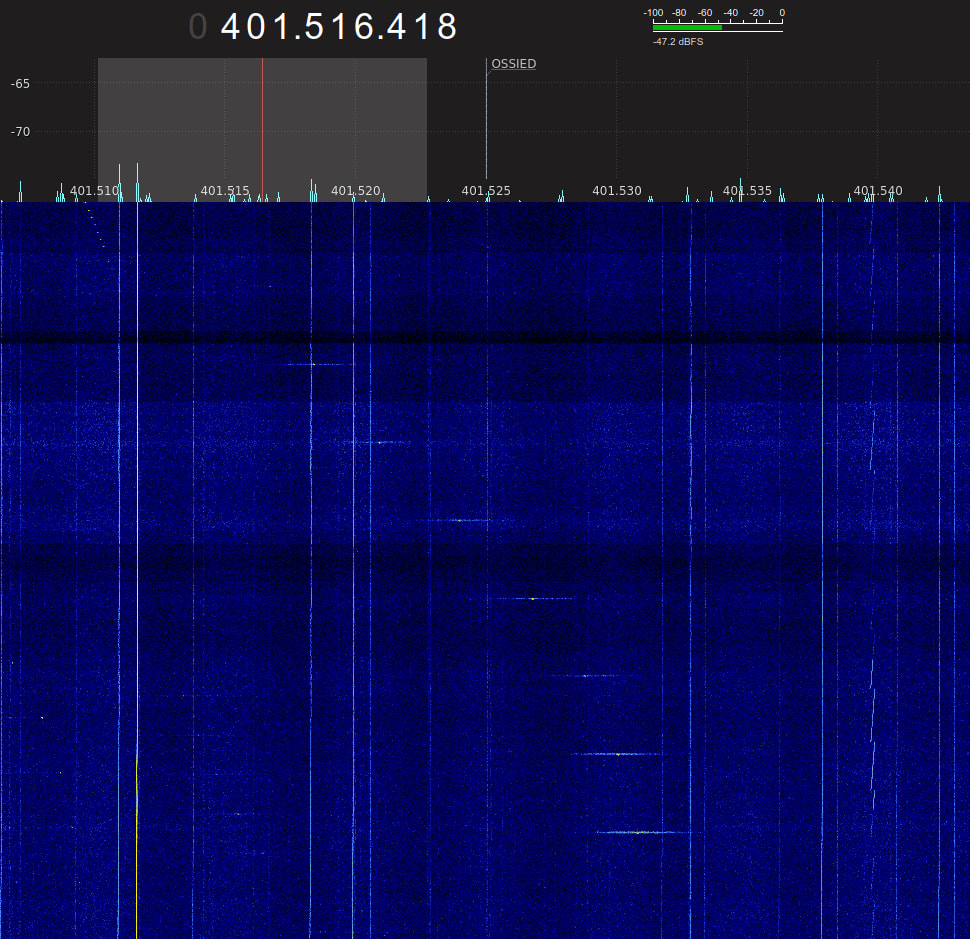
1 Like
Oh - and nothing seen on 2262.5 MHz, which is no surprise at that elevation.
1 Like
Great launch! Love seeing the updates here.
Anyone tracking LEAP-2, manifested by Dhruva Space and MOI-1A satellite from Takeme2space (manifested by D-Orbit) from India?
1 Like
Again on my western pass - at even lower elevation, a nice pattern of weak packets that roughly line up w/ the TLE estimate for OSSIED.
Even the one stronger packet would not decode at any of the usual baud rates & framing methods. So, will monitor SatNogs observations and test any recordings that might decode. Of course when I get a higher elevation pass here, hopefully we’ll have an answer then.
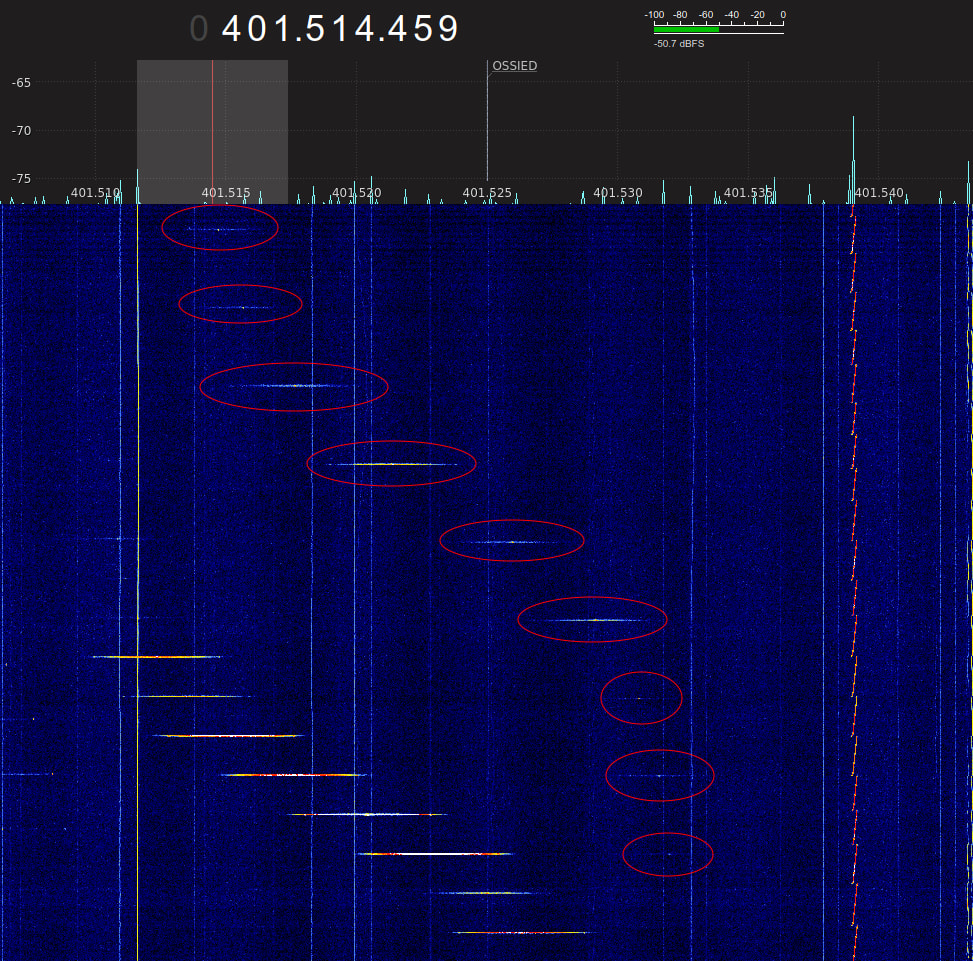
3 Likes
We don’t track LEAP-2 as we don’t know the frequency that transmits, if you have and can share any information, please let us know.
The only, maybe related, entry I found in ITU is ITU Space Explorer which I’m not sure if it is for LEAP-2 and presents two frequency ranges, one around 401.801 MHz and one around 401.6 MHz.
If anyone can confirm any of these two either by observation or other source, let me know to create an entry and start tracking with SatNOGS the satellite.
Just out of curiosity, what equipment are you using for the U and S bands?
1 Like
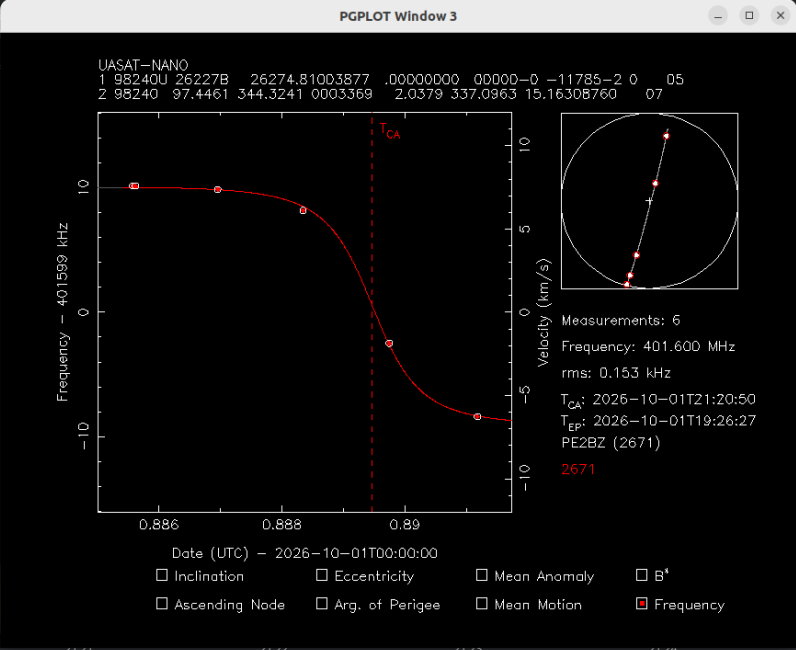
UHF RX is normally a 2.5-turn helical omni (RHCP) w/ wideband LNA, LMR-400, Airspy-R2, GQRX.
My S-Band monitoring is via the RF-HamDesign 1-meter mesh dish w/ helical feed (result RHCP), Kuhne LNA/downconverter, LMR-400, Airspy-Mini, GQRX.
1 Like
Hi Scott,
by any chance, do you have the IQ recording of that pass?
Thanks in advance!
1 Like
Good day!
The entire I/Q is pretty large, but I had isolated the one decent packet. That’s been uploaded to:
… and you are welcome to it. Note that it’s off-center, so you’ll want to move that to the zero point for most forms of testing.
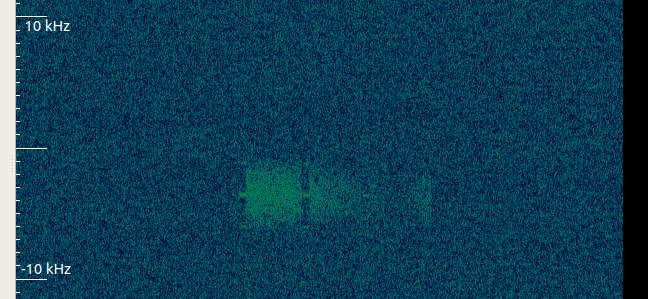
A lot of packets are showing up in SatNogs observations, but I’ve not found one yet with QUITE enough SNR to decode.
1 Like