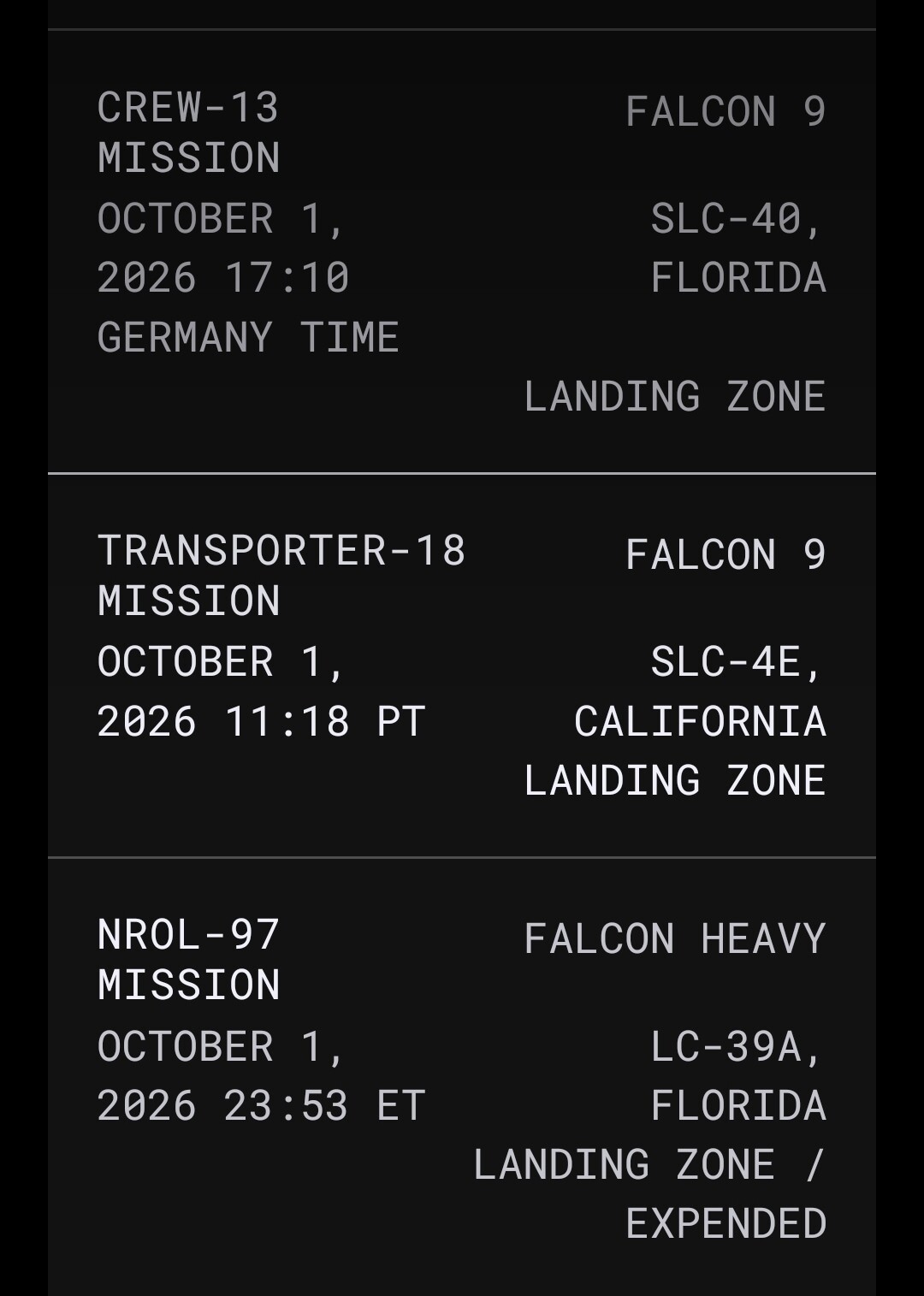
… we have the first mention that I have seen of a satellite planned for Transporter-18 in October 2026.
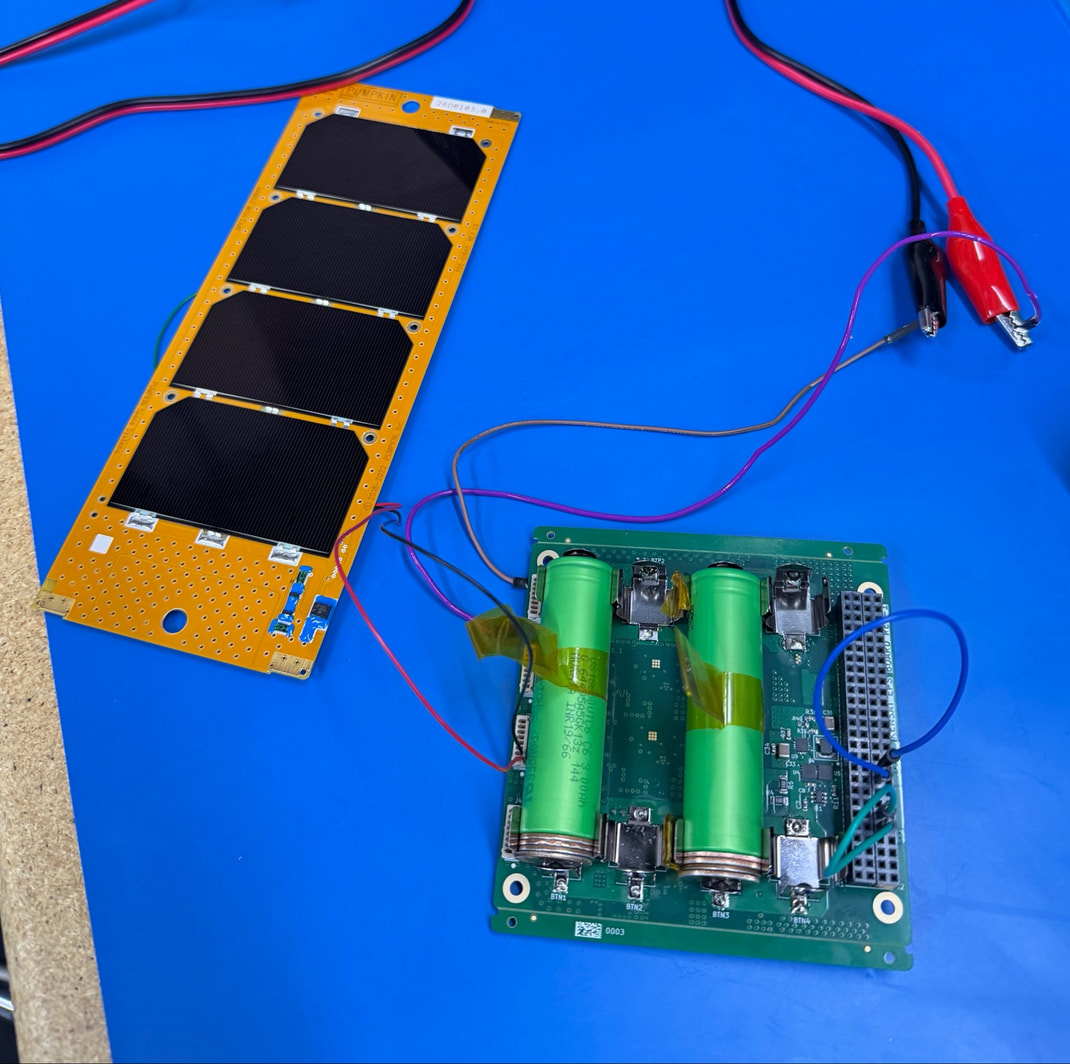
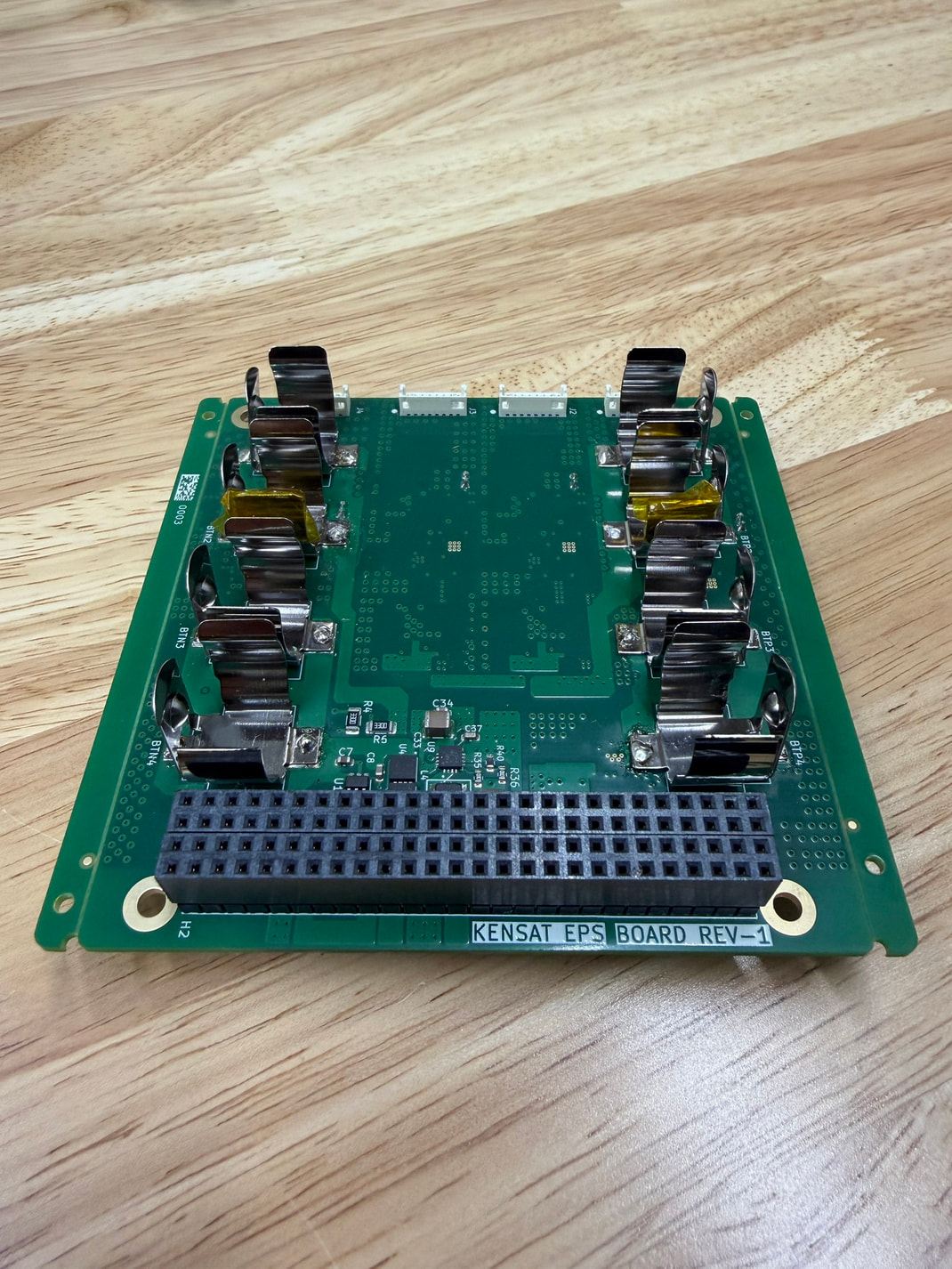
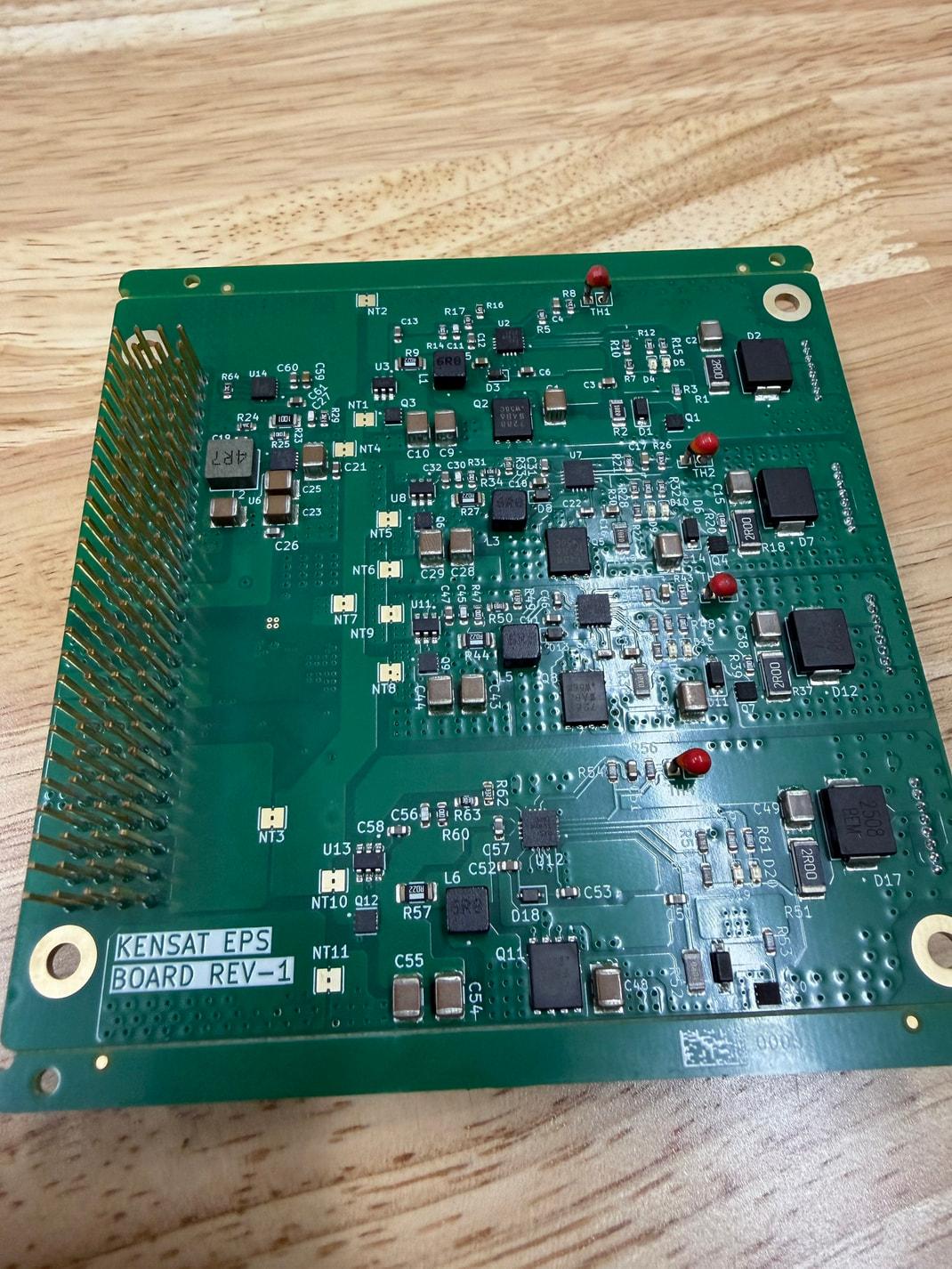
What’s somewhat unique about the KENSAT mission is that not only do we have downlink & decode info already online, but an entire repository full of spacecraft & comms info.
Mission profile: a 520 km sun-synchronous orbit, operating UHF amateur radio at 437.08 MHz for beaconing, telemetry downlink, and command uplink. Telemetry — including downlinked inference results — is intentionally unencrypted so amateur operators worldwide can receive and decode it.
I would like to share preliminary information about the PocketQubes currently expected to be launched aboard the SpaceX Transporter-18 mission, scheduled for October 2026.
The currently identified PocketQubes are:
UTNH – 1P, Universidad Tecnológica Nacional Regional Haedo / DIYSATELLITE.
This gives a preliminary total of seven PocketQubes, representing approximately 8.5P of PocketQube volume.
UTNH and SAJILO will be carried in the PocketQube deployer developed by DIYSATELLITE. The three ERMINAZ-2 spacecraft are associated with a PocketQube deployer provided by the Libre Space Foundation.
According to the currently published information, some of the expected radio parameters are:
UNNE-1B: 145.925 MHz uplink and 436.888 MHz downlink; FM voice, FSK, AFSK, AX.25 and APRS.
HADES-L: 29.472 MHz uplink and 436.665 MHz downlink; USB/FM transponder and 800 bps FSK telemetry.
ERMINAZ-2U: 435.900 MHz.
ERMINAZ-2V: 145.920 MHz.
ERMINAZ-2X: 145.960 MHz.
The latest radio parameters for UTNH and SAJILO, including LoRa, CW, beacon timing and telemetry documentation, will be published once the corresponding IARU information has been fully updated. Any previously published parameters for these two spacecraft should therefore be considered preliminary.
We would appreciate advice from the SatNOGS community regarding the best time and procedure for creating or updating the satellite and transmitter entries, as well as preparing decoder support before launch.
Once the final frequencies, callsigns and telemetry formats are confirmed for publication, the complete technical information will be shared with the community.
In addition to the usual baud rate, modulation, & framing info, it’s a big help when the community is provided with sample recordings (audio and/or IQ) so that our receiver software can be tested well before satellites are in orbit.
By the way there will be also 5 pocketqubes by LSF:
SIDLOC PQ-03
SIDLOC PQ-04
SIDLOC PQ-05
SIDLOC PQ-06
NIS-PQ
NIS-PQ will be in the UHF amateur band. While SIDLOC ones will transmit outside the amateur band (UHF), it would be much appreciated if people can also contribute by receiving their transmissions.
More details about these satellites and how someone can contribute will follow in separate threads in the next days.
Transporter-18 is currently scheduled for launch on October 1, 2026, aboard a SpaceX Falcon 9 from Vandenberg Space Force Base. The nominal launch window is 17:00–19:00 UTC, subject to confirmation and possible schedule changes.
Thank you for adding them. Just one clarification: UTNH and SAJILO are two separate PocketQube satellites, not a single spacecraft.
UTNH was developed by Universidad Tecnológica Nacional, Facultad Regional Haedo, Argentina.
SAJILO was developed by AMSAT Nepal. SanoSat‑3 is its mission or public name, while SAJILO is the official name registered with SpaceX.
Both satellites will fly on the Transporter‑18 mission and will be deployed by DIYSATELLITE. They will be released and operated as independent spacecraft and should therefore be listed as two separate entries in the database: UTNH and SAJILO.
Hi @bali, thanks for your interest! DIYSATELLITE has flown one PocketQube so far: DIY‑1, launched in March 2021. UTNH and SAJILO are scheduled to fly on Transporter‑18 and have not been deployed yet.
Thanks for the suggestions, I’ll try to take a look during the weekend as I’m now focused to development and upcoming releases to support the NORAD IDs > 99999.