Regarding Observation 14487700 …What a beautiful pass! Observation #14487700 of the ISS was captured perfectly. I’m so pleased to see such a clear Doppler curve and high-quality signal. This makes all the effort of fine-tuning my window-side setup worth it. Thank you all!
3 Likes
@jp7dvx Nice signal, are you still using that yagi antenna or did you choose to use a different antenna like a ground plane?
1 Like
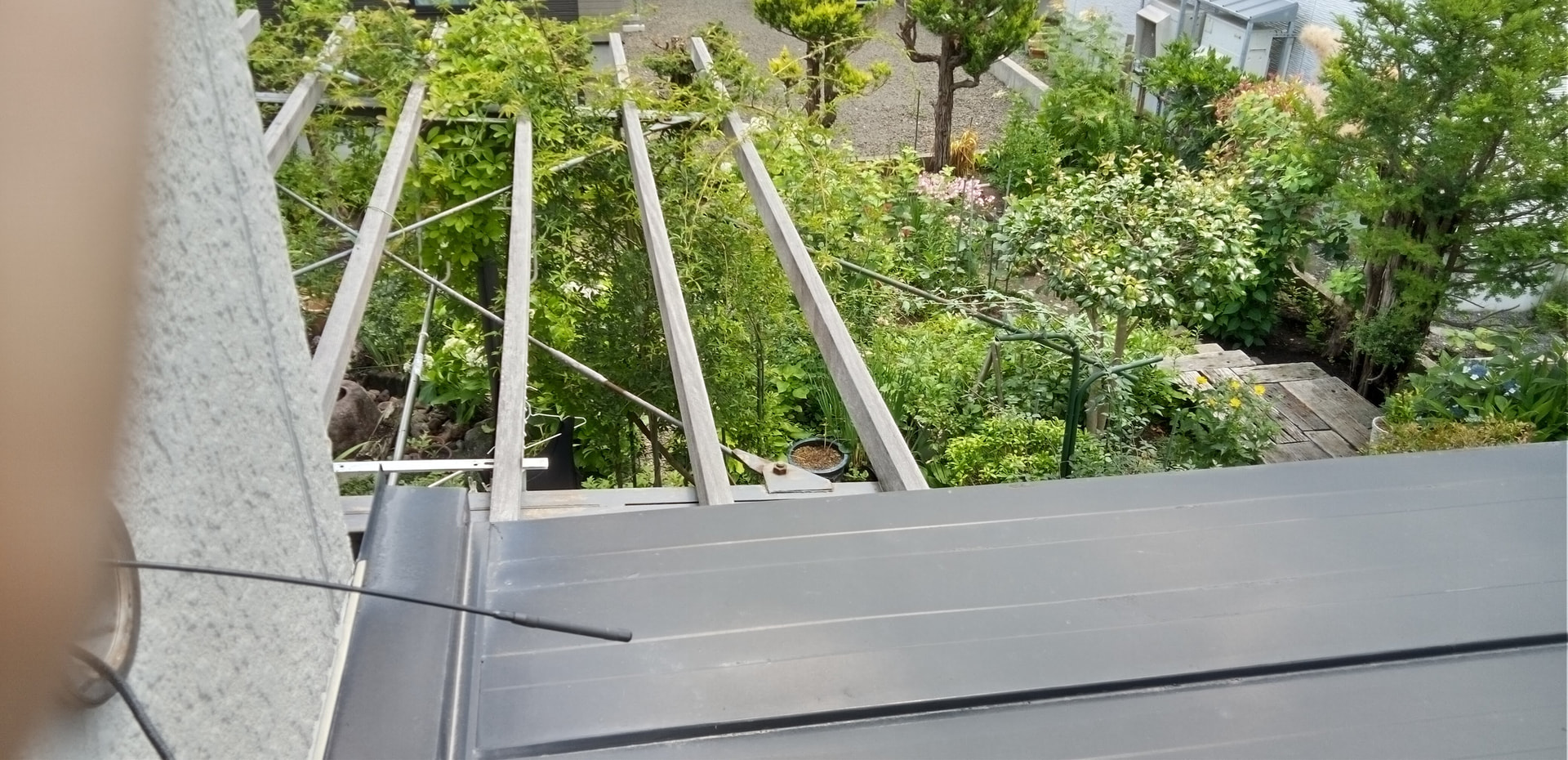
@crispywaffle42 Great question! I’ve actually switched to a handheld-style tri-band antenna. As you can see in the photo, I’ve routed it through the vent of an old oil heater in my second-floor study to get it outside. The SDR dongle is connected directly to the antenna, and I use a USB cable to link it to my PC. It’s proving to be much more efficient than keeping the Yagi inside by the window!
3 Likes
Nice, its way better to have the antenna outside instead of inside. What frequencies does it do?
1 Like
It’s a tri-band antenna covering 6m, 2m, and 0.7m. Having it outside has made a world of difference for my reception quality compared to when I was using my indoor setup!"
3 Likes
is it an omni-directional antenna?
1 Like
Yes, it is! It’s an omni-directional antenna. Also, I realized something interesting after taking that photo: since I have it positioned horizontally towards the south, the metal roof of the first floor might be acting as a reflector, helping to boost my signal reception. It’s been working surprisingly well, and I’m learning new things every day!
2 Likes
It is possible that roof is acting as a reflector but I’m not sure, I’m not good at knowing what is a reflector and what distorts a pattern but it seems like your observations have improved. Also if you want to take a crack at decoding weather images there is a tutorial here: Struggling with automatic Meteor-M LRPT demodulation - #56 by bali
2 Likes
I should also add that you will most likely need to use a docker container setup for the tutorial to work if you are not using a docker container setup there is a tutorial for that here: Tutorial: How to install satnogs groundstation for Newbie & PRO (for STATIC and ROTATOR)
2 Likes
Thank you for the encouragement and the link! I’m happy to hear that my observation quality seems better. Trying to decode weather images sounds like an exciting next step for me. I’ll definitely check out the tutorial you shared and see what I can learn. Thanks again for your support!
2 Likes
No problem and good luck!
1 Like
Thank you for the additional tip about the Docker container! That’s very helpful to know. I’ll take a look at the installation tutorial you provided as well. I’m excited to explore this new challenge, though I’ll take it one step at a time. I really appreciate you guiding me through this!
1 Like
Your welcome and once again good luck and I hope you get some good images.
1 Like
Also how did you even install SatNOGS client, are you running it in a docker container already or are you using a different method?
2 Likes
Just a quick update! I’ve been learning more about my station’s setup and discovered that my SatNOGS client is running smoothly in a Docker container environment. It’s been up and stable for over 47 hours now. No wonder my observations are getting more consistent! Looking forward to learning more about Docker and building on this solid foundation.
1 Like
Thats good just make sure that the setup is at least kind of like the one in the tutorial just to make things easier.
1 Like
Thanks for the advice! I just checked my setup, and I’m using a satnogs.yaml configuration file within my Docker environment, which seems to align with the standard tutorial structure. It’s reassuring to know I’m on the right track. I’ll keep this structure as I start exploring the weather satellite setup!
1 Like
okay that sounds good
1 Like
Second this for the Docker installation. I have been an op for a few years now, have been on the Satnogs discussion groups, have worked the FM birds as well. But I never discovered the SATNOGS software until scrolling down in the Raspberry Pi Imager. If I can set it up, anyone can.