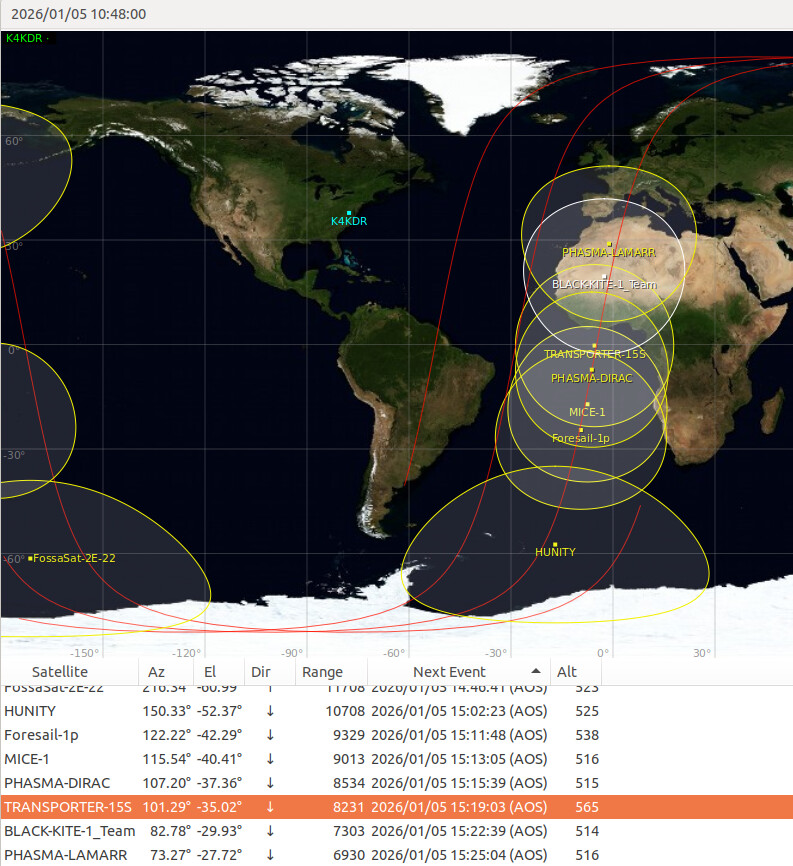
It looks like that at 25/12 there were some changes on the T15 objects. I don’t have the full picture right now, but for example we have noticed that 66673 objects, which was PHASMA-LAMARR had changed and shows another satellite, while PHASMA-LAMARR is now 66683.
If you noticed something similar with other satellites, let us know. My impression right now is that the changes had affected objects between 66668-67000, but this is only an impression it may affect more or less, still analyzing and checking.
It looks like that the changes on the T15 objects returning back to the expected/normal, I’ll keep watching this, as it was probably a temporary miscalculation or something.
Could this be temporarily uploaded for tracking the satellite instead of the SpaceTrack latest 66682?
We understand that the TLE is quite old and inaccurate, but we believe it could help us get a headstart on making some good observations on Satnogs to generate a new TLE. At the same time we’ll continue checking which of the other SpaceTrack TLE could potentially match our satellite.
If anyone would like to make use of the Team’s TLE recommendation, but doesn’t want Object #66682 to be overwritten every time you update from Celestrak, the temp ID could be used, resulting in the following TLE:
The TLE set needs to be propagated to a more recent epoch to bypass the current TLE set. I’ll take a better look and see if we can have something better.
With a more detailed but not fully complete check, I think that Black Kite 1 is object 66686 except if it is another object that happens to fit it since 2025-12-21.
I’ve changed for now the entry in DB to follow 66686 and I’ll schedule further observations to verify it.
Another scenario, similar to what happened to PHASMA-LAMARR, could be that the object is 66682 but its orbit is miscalculated, however I find this scenario less possible given that:
The two objects (66686 and 66682) were close before 2025-12-24/25, when we noticed that changes in TLE happened.
After so many days (10 days) from Dec 24/25 the TLE for 66682 follows another orbit instead of be corrected like it happened to PHASMA-LAMARR case.
Let’s keep observing and try to understand what happened.
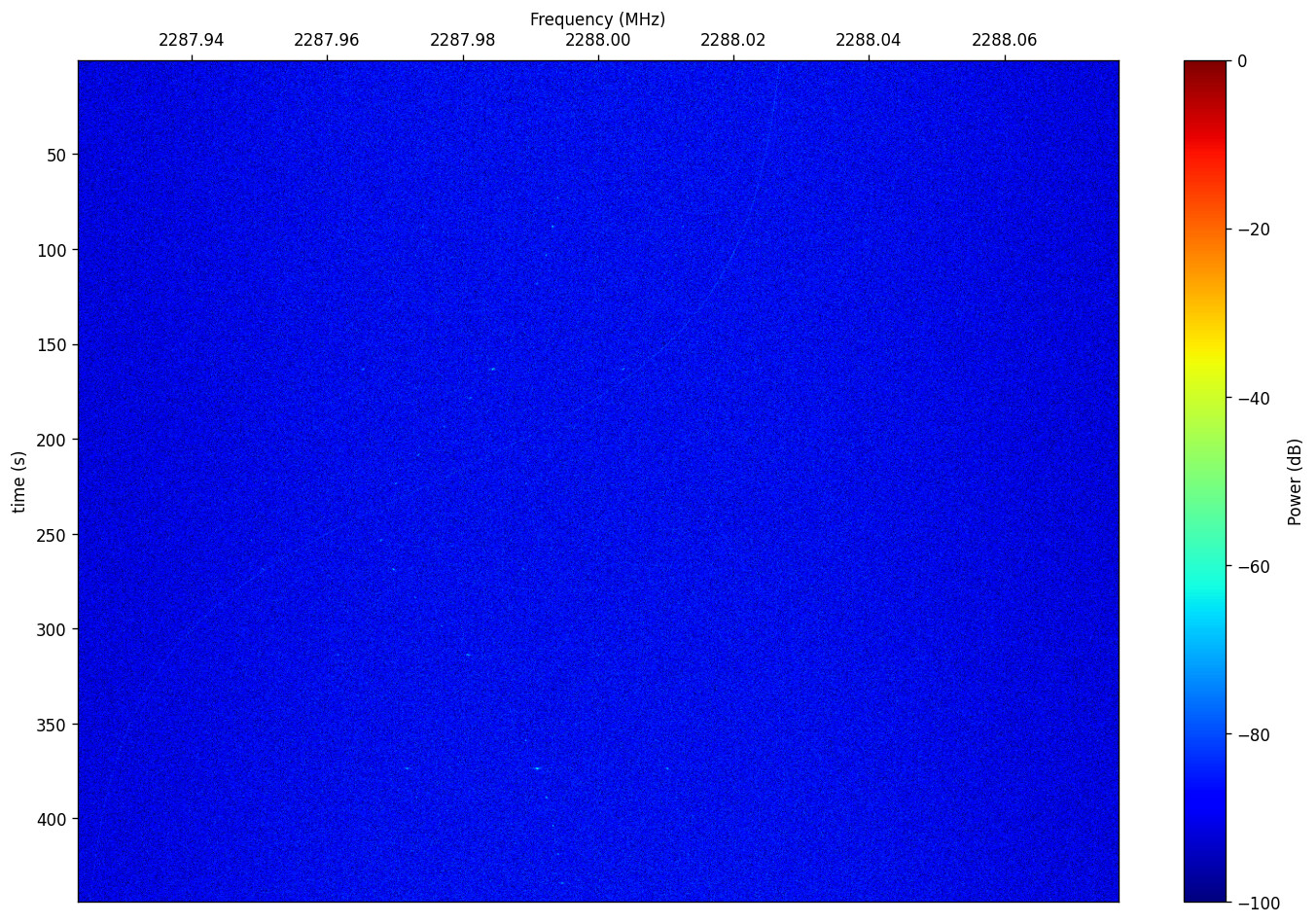
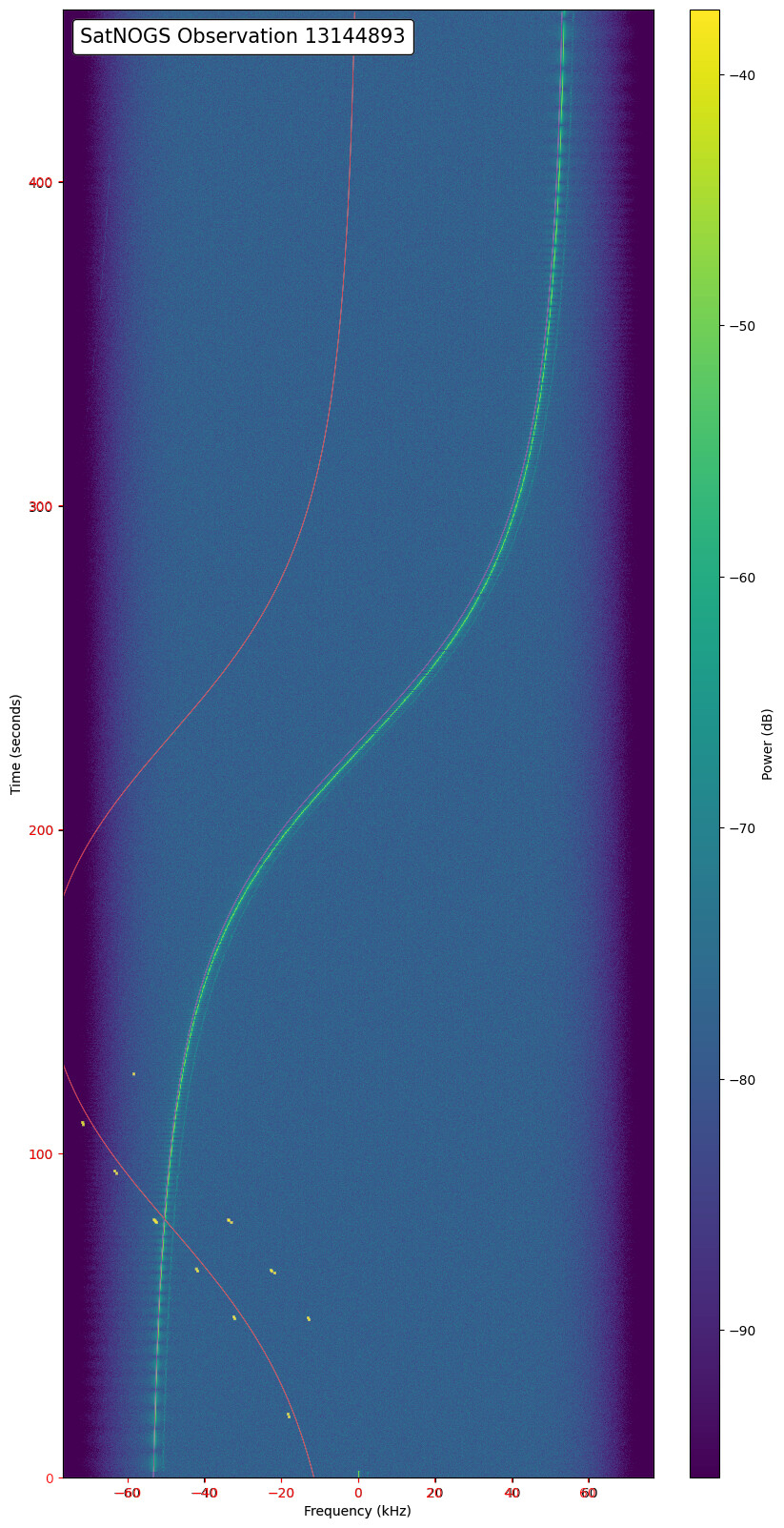
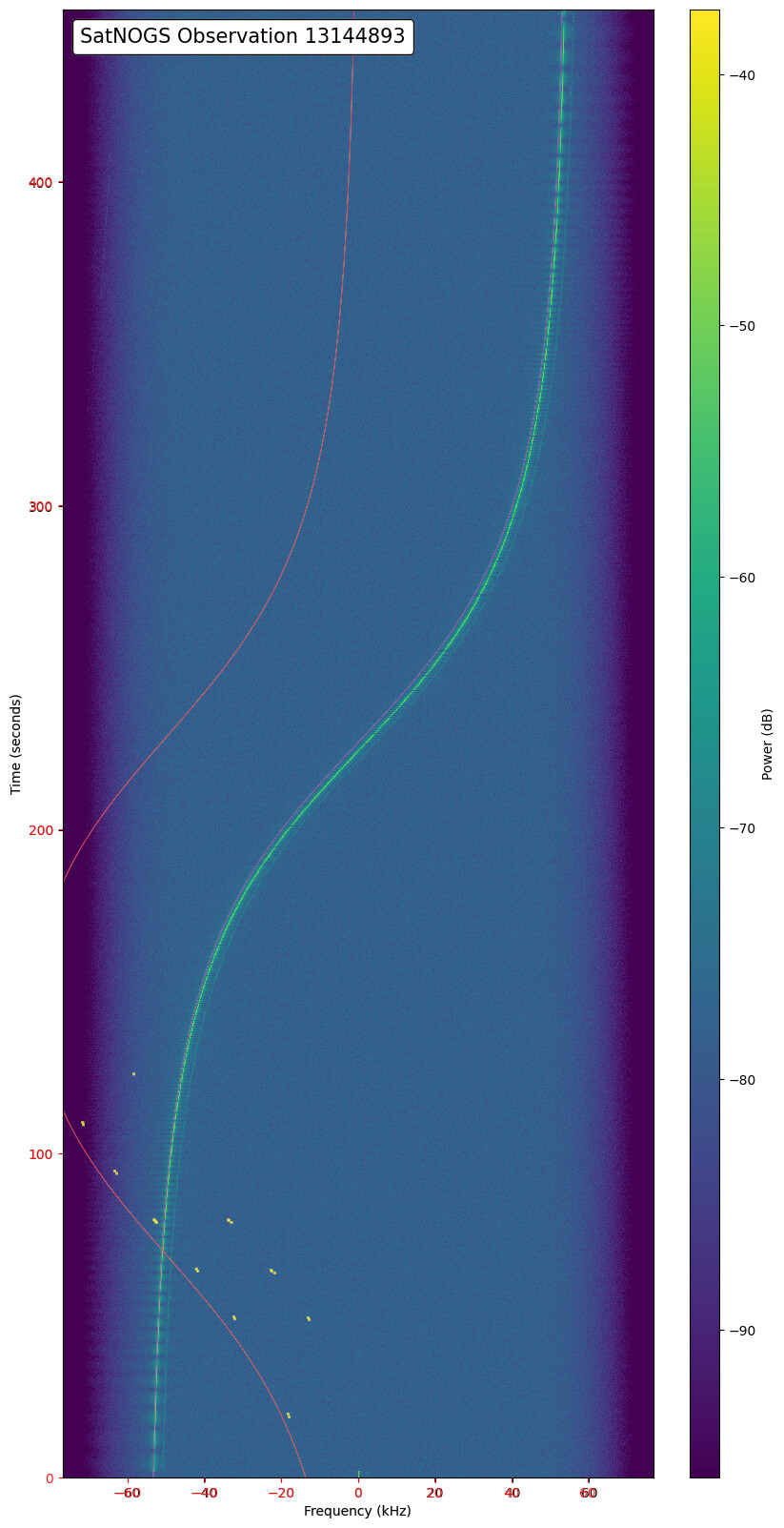
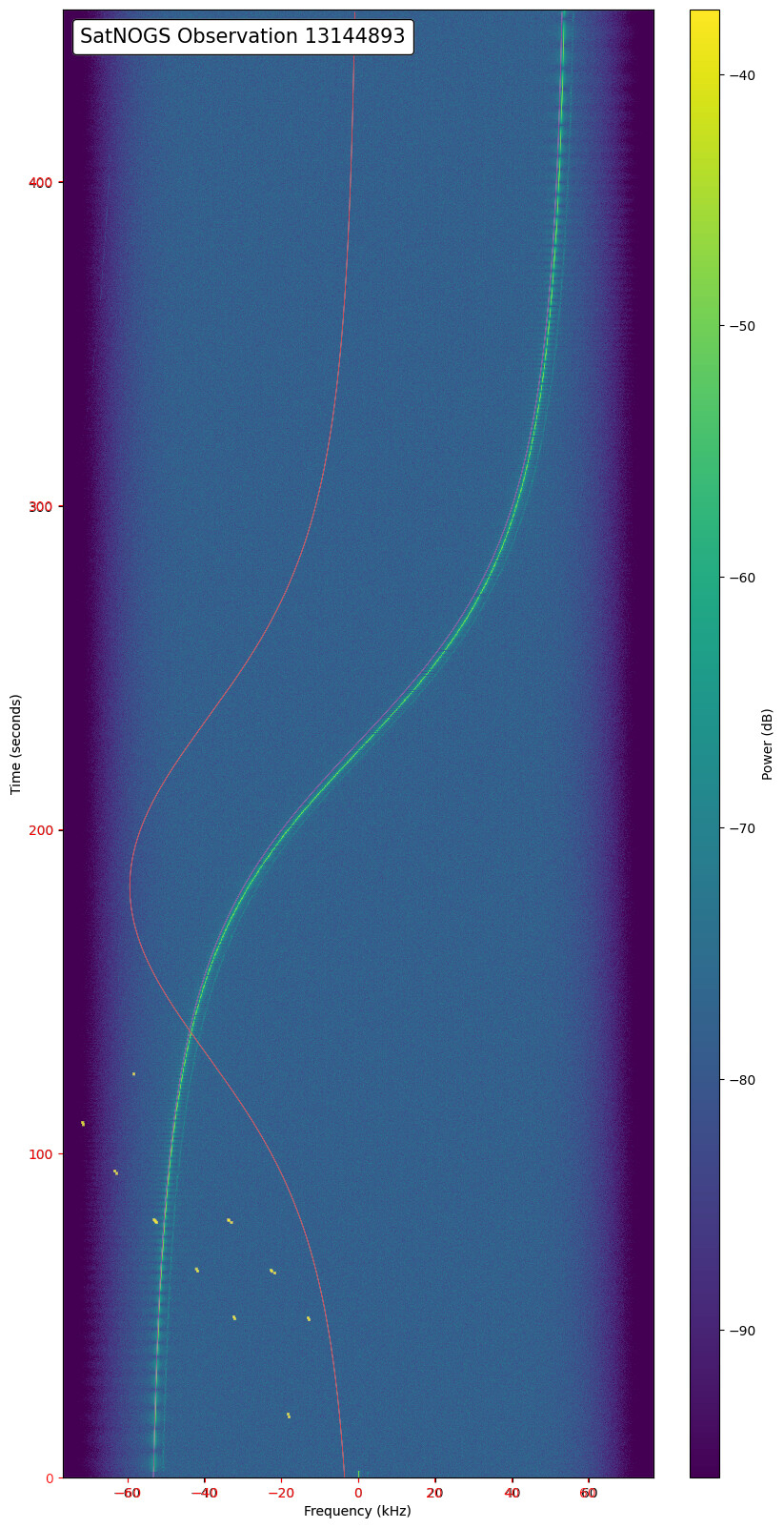
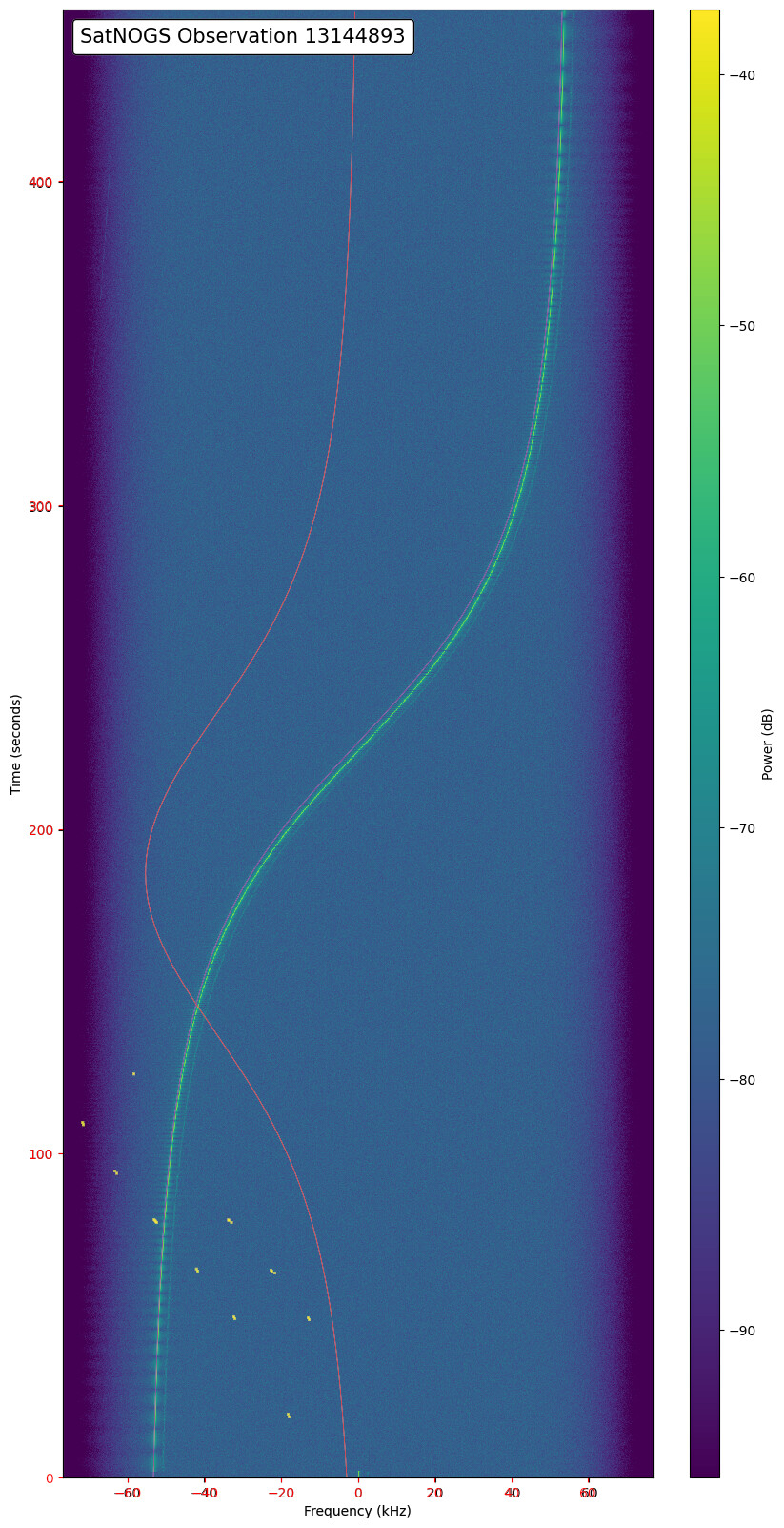
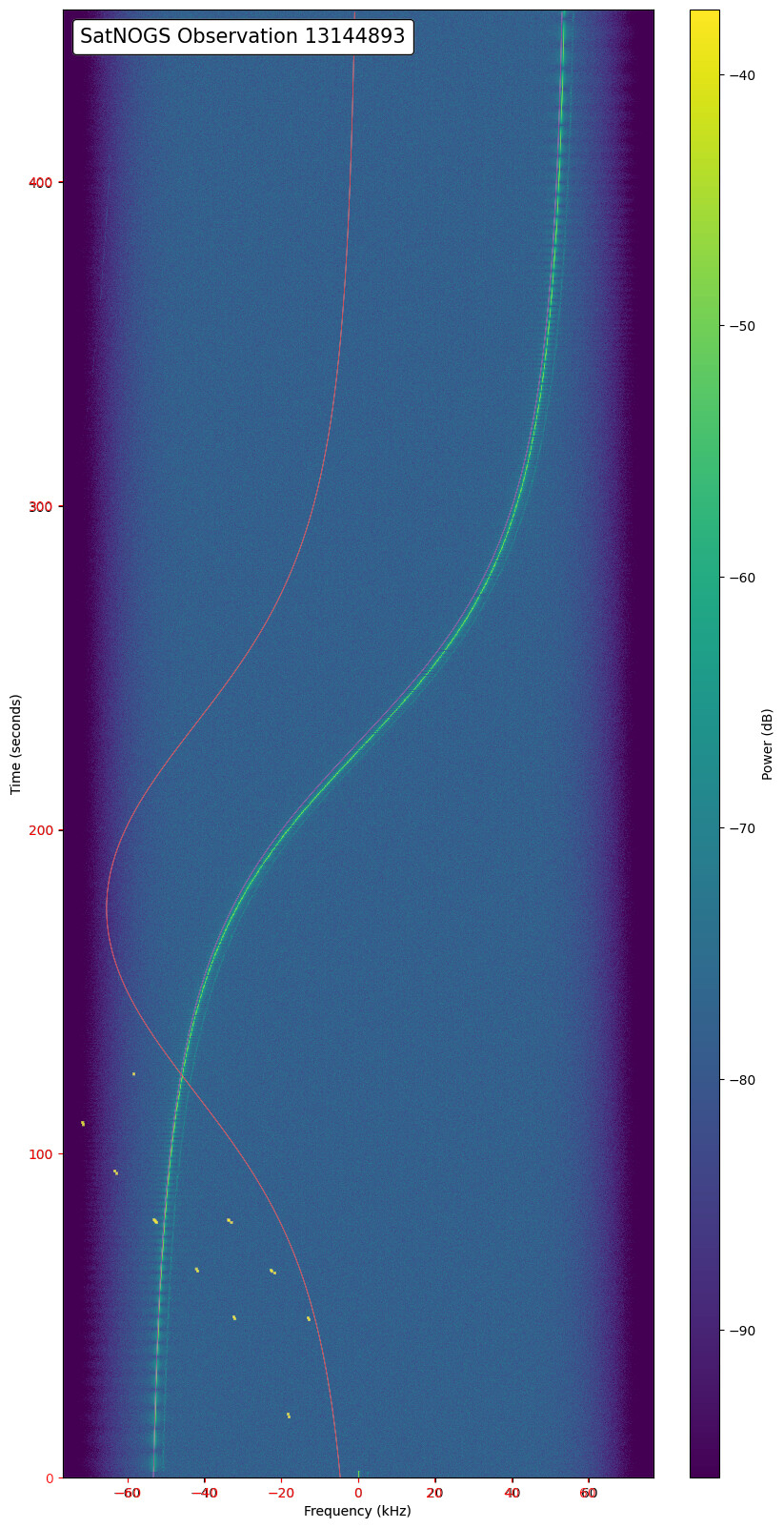
Thanks for helping us schedule the observations. We saw some possible signals in this observation SatNOGS Network - Observation 13144893, and ran a list of TLE against it using ikhnos. Assuming the blips seen in the waterfall is ours, the candidates that potentially fit it are:
66671
66673
66690
On gpredict, we can see that the candidates are all slightly earlier in the track than 66686, which seems to match what we observe in the in observation’s waterfall in terms of doppler.
We can observe a few more observations, but hopefully this is useful in narrowing down whether 66686 is really it.
Not sure if we are referring the same blips, I’ve painted a little bolder the blips I’ve seen in this waterfall and my results shows that on the latest TLE objects 66682 and 66670 fit them. The ones you set as candidates looks to be close but not good fits. Another note that 66670 is almost sure that is HUNITY (still with the recent changes it needs verification) and also 66670 is almost 2 days old TLE.
From the above I’m going to move back the object to follow 66682 and re-schedule the observations.
For additional confirmation and analysis, can you share more details for this observation, like when it happened if possible the location/area of the station and if the waterfall is doppler corrected or not.
Thanks for checking out the potential candidates, we realized we did not properly allocate the frequency range for ikhnos to match that of the observation. We were using the default of 24.0 instead of 77.0. We will watch for further observations.
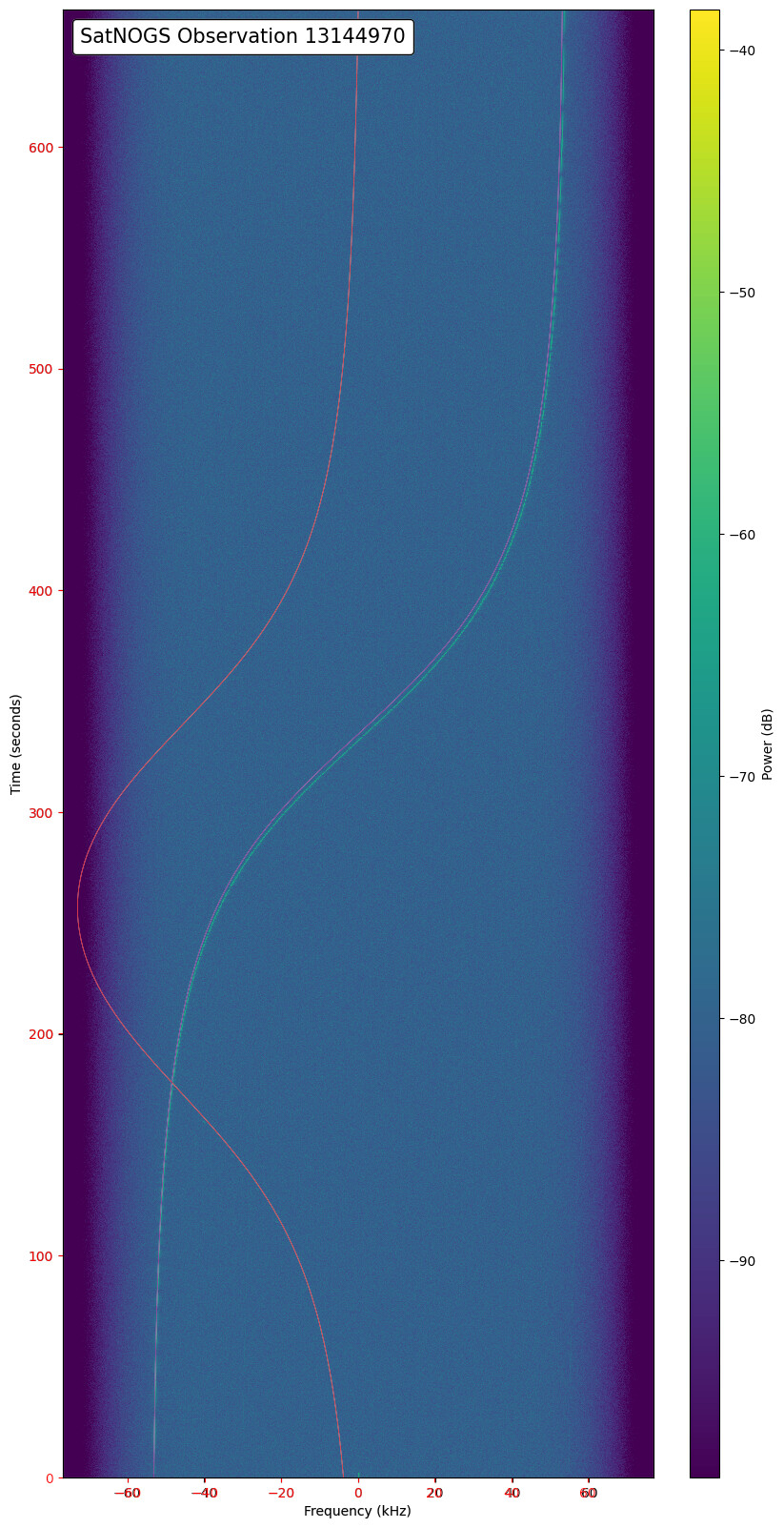
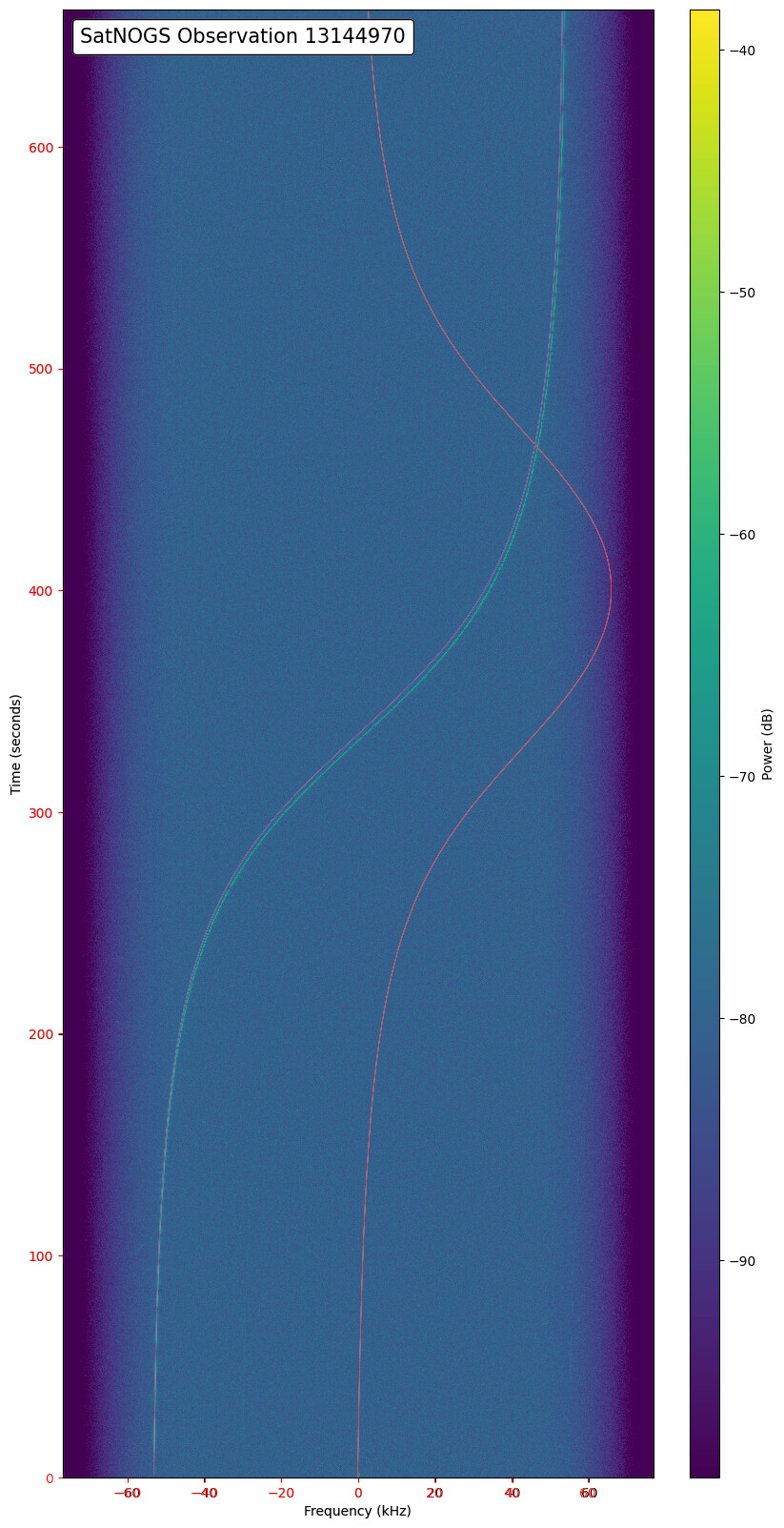
We ran Ikhnos again on the latest TLE for both 66670 and 66682 for observation 13144970 SatNOGS Network - Observation 13144970 where we saw some potential blips. The observation was one of the last ones using 66682.
It seems 66670 is a pretty good fit (assuming the blips are ours to begin with) while 66682 is off.
Does HUNITY-1 have an S-band transmitter? Based on SatNOGS DB - HUNITY We only see 437.390 MHz.
Our ikhnos command is
ikhnos.py -t input.tle -r 77.0 13144970
Assuming the observed blips are not ours, we might have to fall back to our last good observation which was almost two weeks ago using an old 66682: SatNOGS Network - Observation 13051972 However ikhnos throws an error as the epoch is in reverse (TLE of 26005 to previous year)
TLE too old/new: Epoch differs by more than -355.3 days
from observation start time (threshold: 25.0 days)
Hopefully this is useful. Thanks again for all the support.
We are not sure if ikhnos is accurate when working on such an old observation, but based on that it does indeed look like it was 66686 as the only viable option among all the latest Spacetrack TLE when using that method.
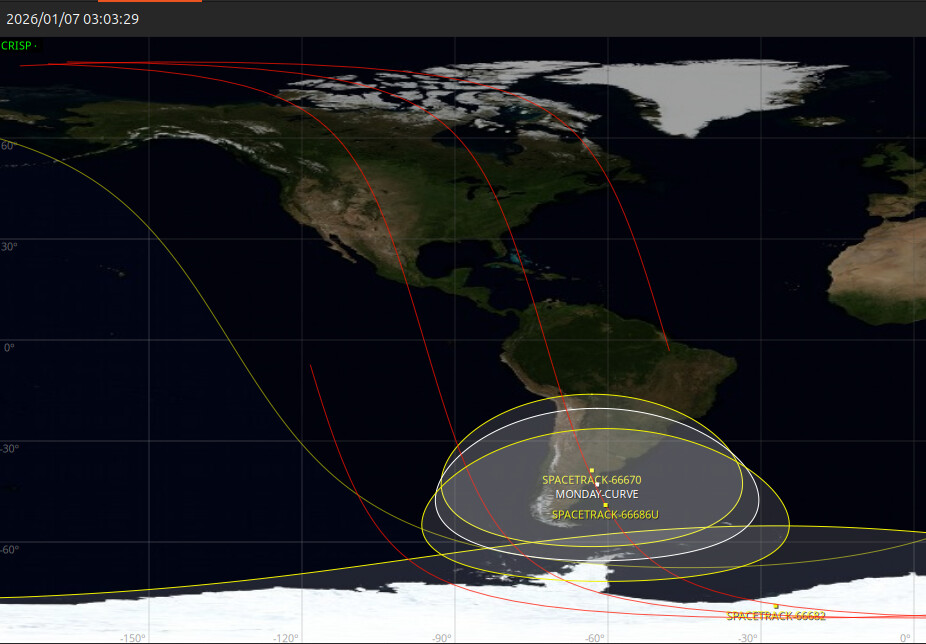
But when looking at gpredict, we’re slightly convinced that 66670 could be a better fit than 66686 or 66682. 66682 is too far back to see anything, while 66686 managed to see the tail-end of the beacons.
Monday-curve TLE refers to the waterfall that was generated by another ground station that was previously suggested to be uploaded.
On our end, we’re currently using 66670 to attempt a few pass, will report back with the results. We understand that HUNITY already had successful observations using 66670, but it’s still worth a shot to see if there’s anything on the S-band there. There could be a chance that if HUNITY has an S-band transmitter as well then we could be barking up the wrong tree too.
After all the great work done here to start matching TLEs to the Transporter-15 sats, I was all setup to take my first-ever look at Black Kite-1 while tracking Object #66682. Identified as ‘Transporter-15S’, that object trailed behind the estimated TLEs available (with updates) since deployment.
Fortunately, I had everything running when some of the last few posts appeared suggesting that it might actually be closer to the object identified as ‘Hunity’. That was already on top of me, so I almost certainly missed some decodes, but I quickly adjusted and let the 1-meter dish track the ‘Hunity’ TLE and then the last few minutes tracking w/ the TLE provided by the Team here previously.
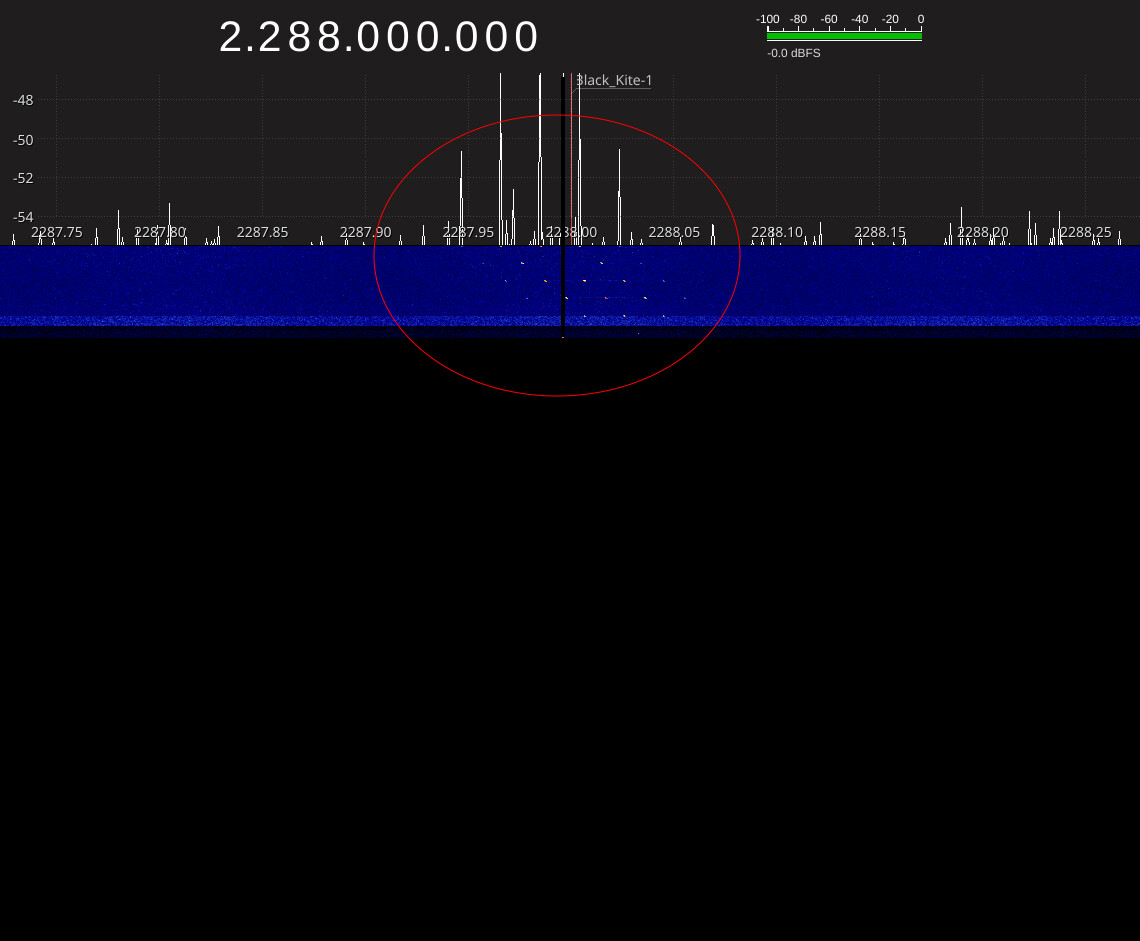
Signals w/ obvious doppler were present, so that felt great! I/Q replay in GNU Radio / gr-satellites produced valid frames w/ the ENDUROSAT framing, but I have no idea if that’s correct. Can someone please reply what demod, framing, and any other settings we should use to decodes these payloads.
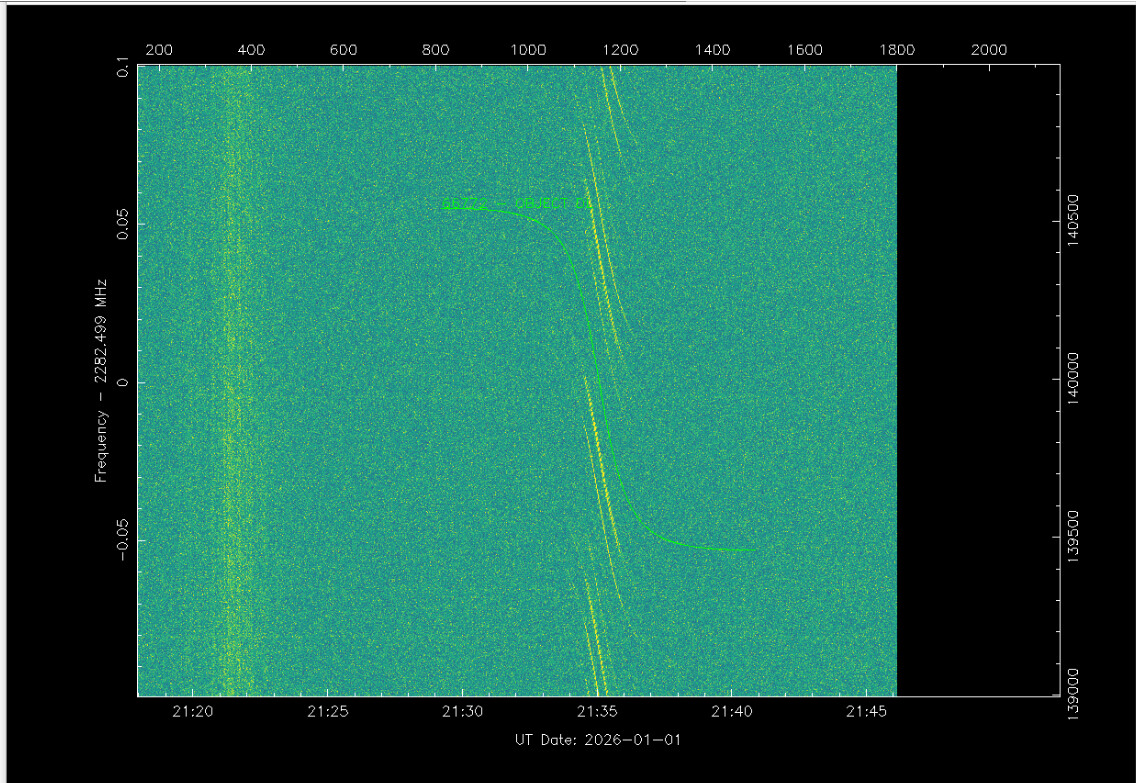
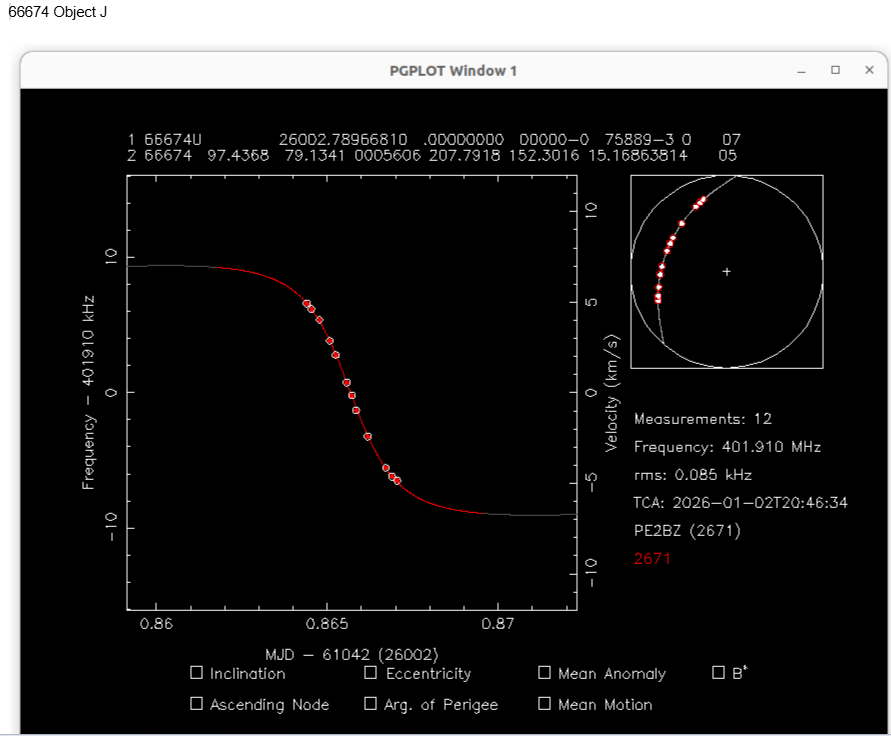
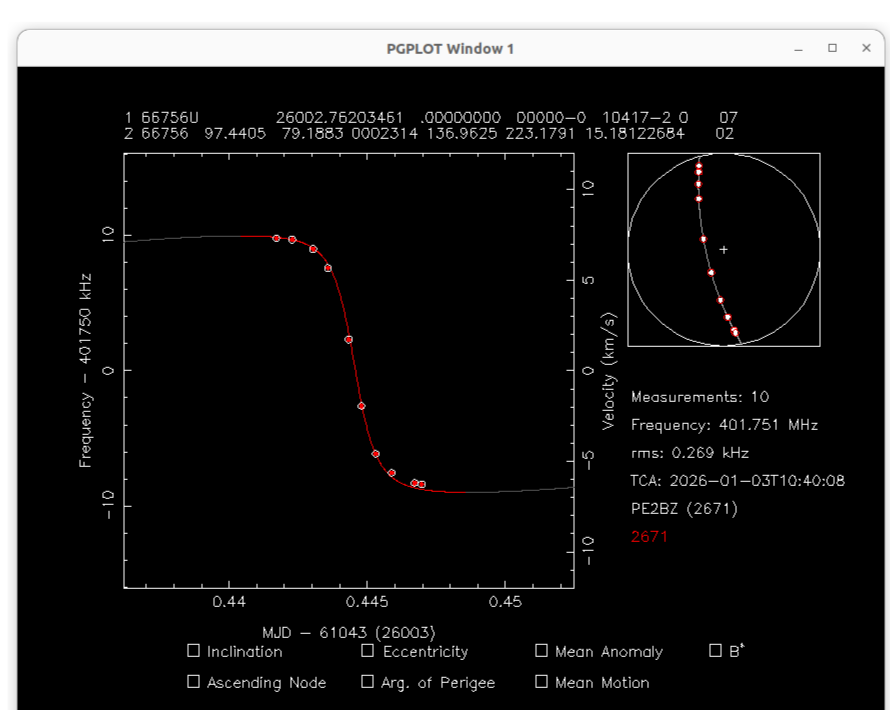
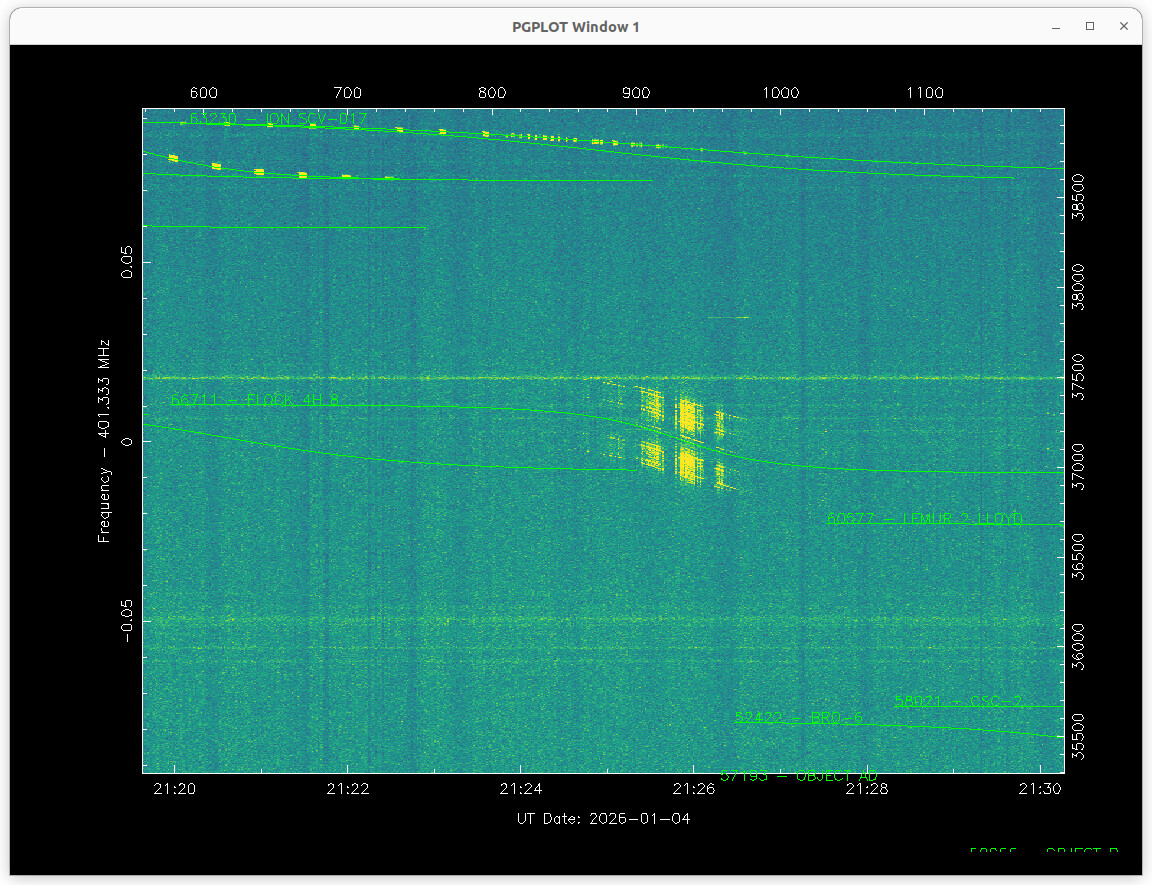
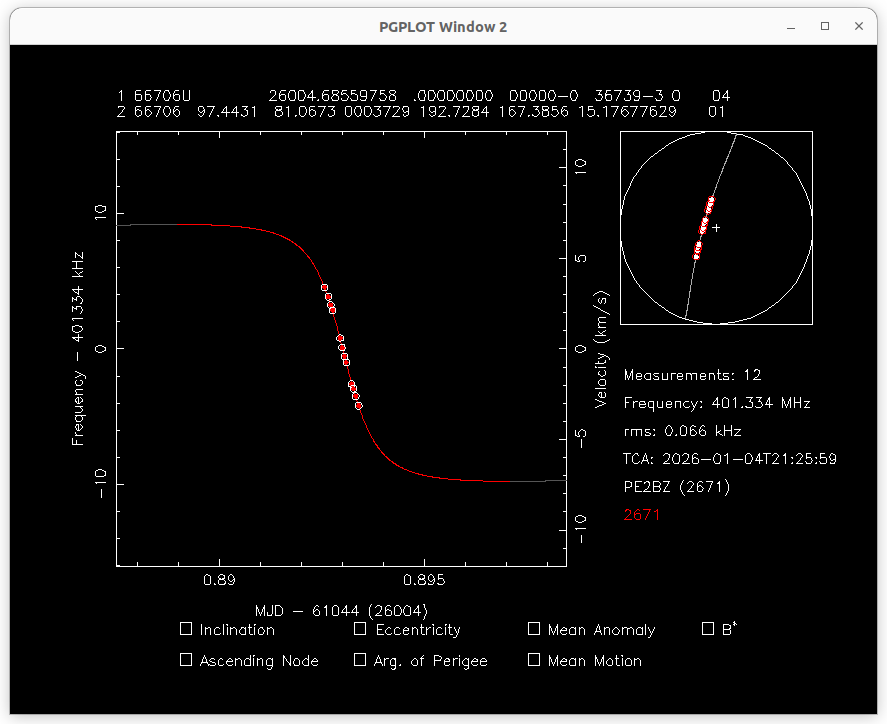
Based on the above discussion and some strf results from @pe2bz we discussed in the matrix.org chat, plus that for now it is close to the discussed objects, I’ve changed Black Kite 1 to 66670.
However I’m still not very confident as the ikhnos checks for Black Kite 1 are done ~1-2 days old TLE which can be very sensitive in S-band due to the big Doppler values, around 40kHz, when the width of the waterfall ~150KHz, which means that a small change in TLE can give significantly different results.
Let’s wait for TLE updates and keep watching the next days to verify everything.