CAUTION
December 5, 2025, 4:22am
62
Hello everyone,
I’m an engineer for E3_TESTER_KARI-1.
I’d like to share that E3_TESTER_KARI-1 has been successfully communicating using the TLE of OBJECT N (NORAD ID: 66662), which appears to correspond to our satellite.
Thanks to your quick signal acquisition and tracking efforts, we were able to identify our satellite much earlier.
4 Likes
Hello,
Thank you again for your observation and support.
However, we are still a bit confused, because our satellite BEE-1000 is currently not transmitting any beacon or equivalent signal.
At our ground station, we successfully performed both read and write operations via the AX100 on OBJECT-B (66651) during the pass about two hours ago.
Based on the current rtable configuration, we are confident that this object is indeed BEE-1000.
There may still be some confusion regarding the TLE assignments, so if we obtain any further updated information, we will share it with you.
Thank you very much.
2 Likes
EU1SAT
December 5, 2025, 8:03am
64
This telemetry from your satellite? Or from another at the same frequency and in the same mode?
2025-12-04_05.zip
I used the TLE:
2025-274A
1 66650U 25274A   25338.36720906  .00003743  00000-0  37800-3 0  9995
2 66650  97.7386 265.7091 0010409 283.9382  76.0679 14.91617165  1157
fredy
December 5, 2025, 8:22am
65
CAUTION:
If you are currently tracking or testing unidentified objects, please exclude OBJECT N (66662) from your candidate list.
Thanks to your quick signal acquisition and tracking efforts, we were able to identify our satellite much earlier.
Thank you for sharing these info! For now I’ve changed E3_TESTER_KARI-1 to follow 66662 and we will fully identify it in the next status check (today or tomorrow).
1 Like
fredy
December 5, 2025, 8:34am
66
dooyoung:
Hello,
Thank you again for your observation and support.
However, we are still a bit confused, because our satellite BEE-1000 is currently not transmitting any beacon or equivalent signal.
At our ground station, we successfully performed both read and write operations via the AX100 on OBJECT-B (66651) during the pass about two hours ago.
Based on the current rtable configuration, we are confident that this object is indeed BEE-1000.
There may still be some confusion regarding the TLE assignments, so if we obtain any further updated information, we will share it with you.
Thank you very much.
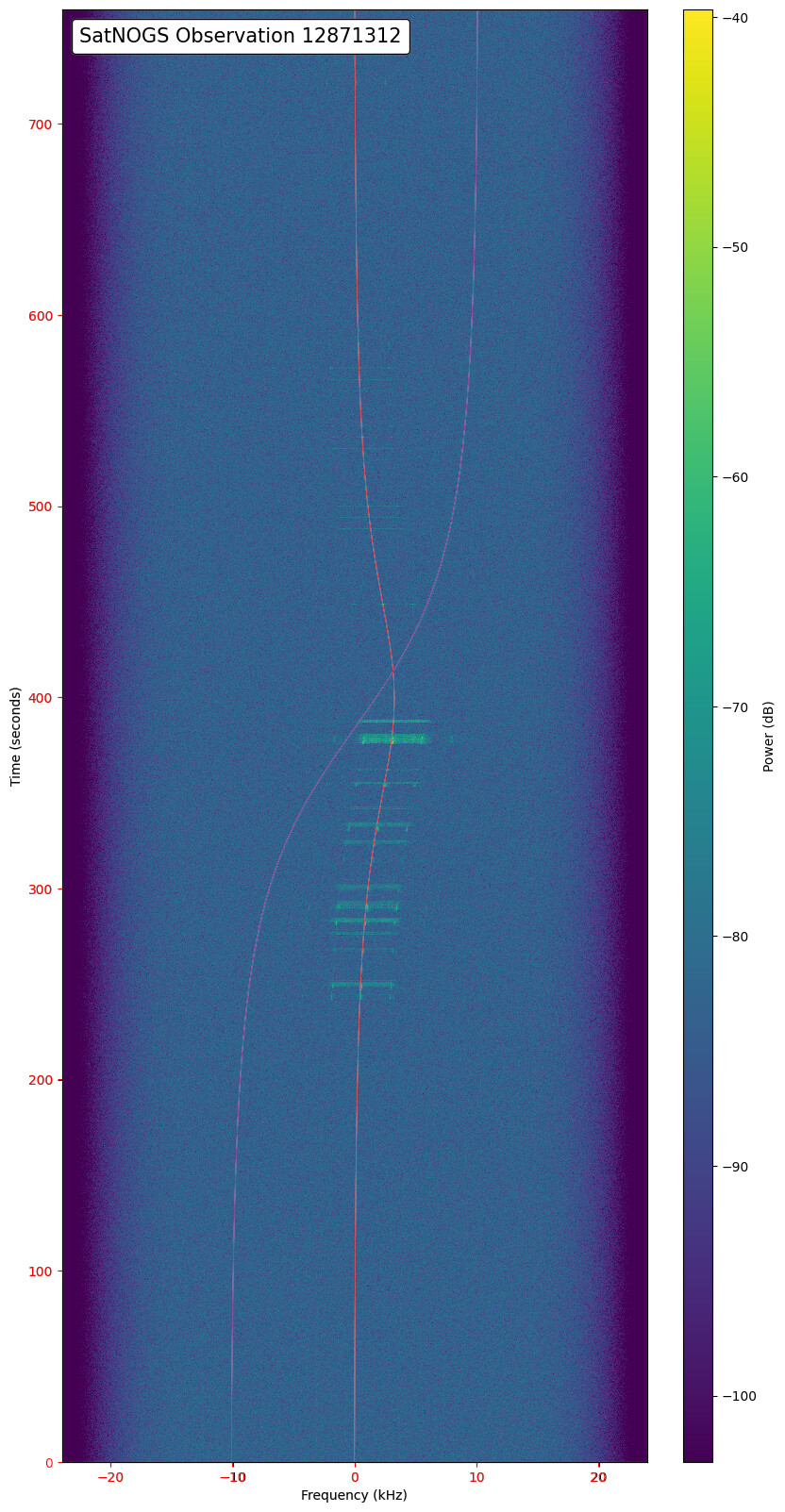
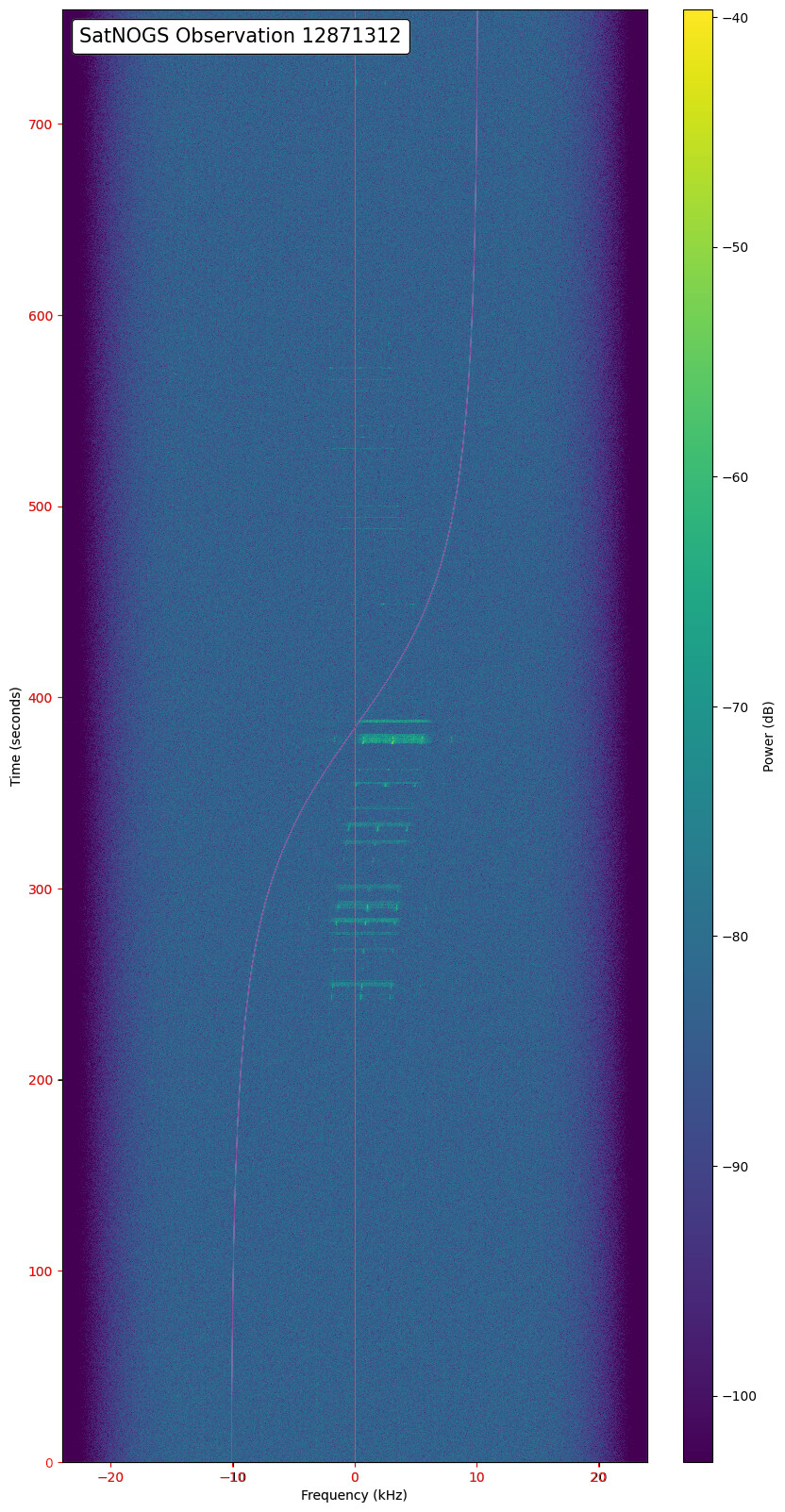
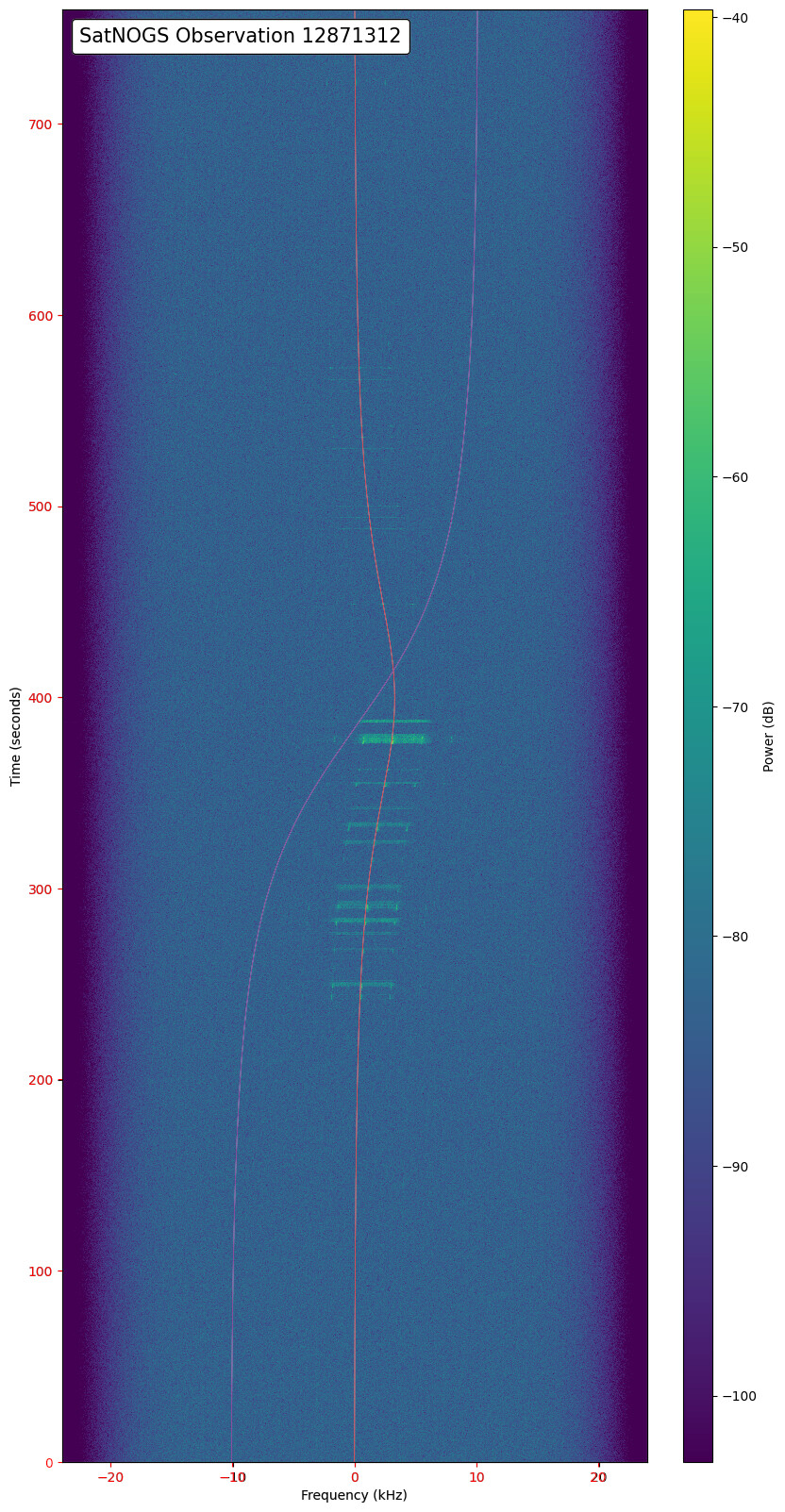
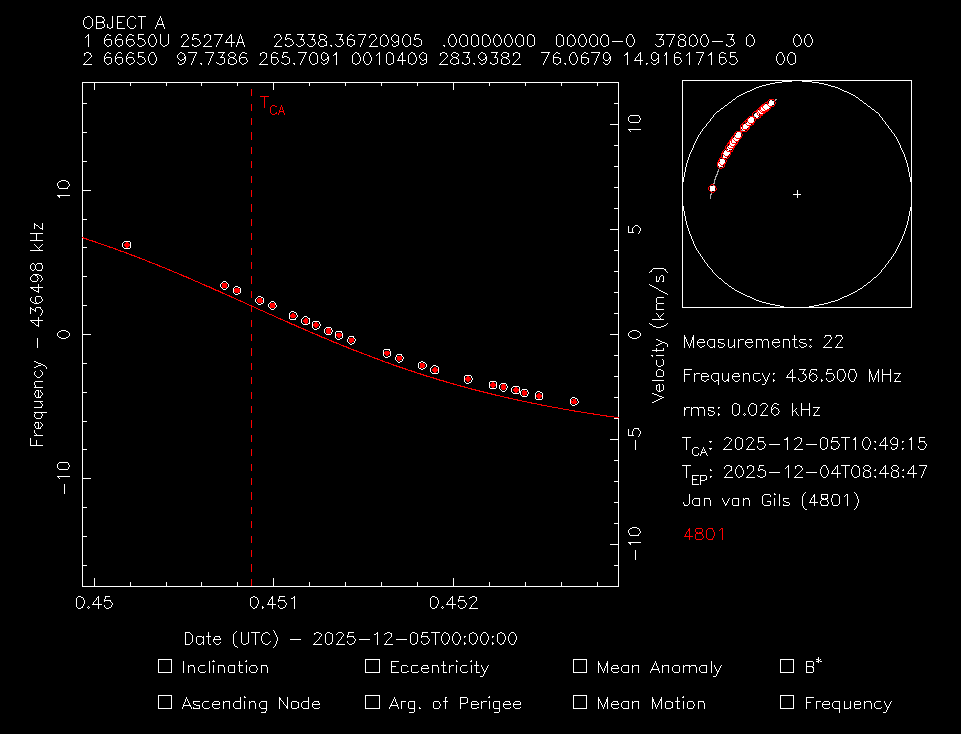
Thank you for the update, moving to 66651 helped us to get your satellite and also do some decodes, however with a quick check it seems that it is object 66650 and it seems that is the only object that fits perfectly, so in the next status check will be identified.
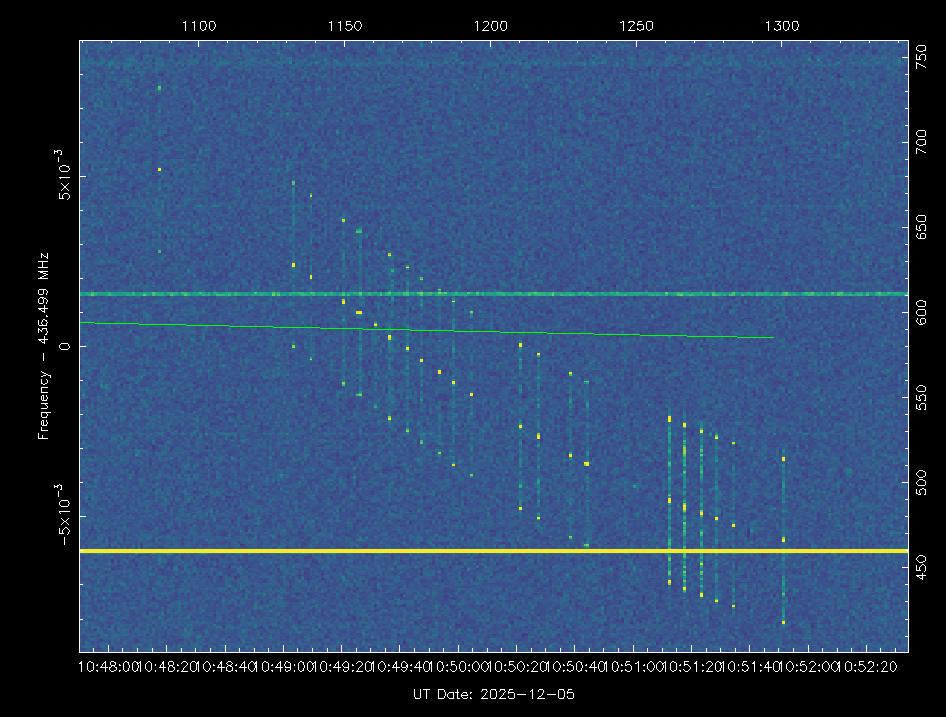
Check below the comparison between 66650 and 66651, the red line is the curve that signal should follow using the TLE set of the object:
For 66650:
And for 66651:
Based on the above I’ve changed for now to follow 66650 for BEE-1000
2 Likes
Based on the data provided, it does not appear to be a signal from our satellite.
Our beacon frame is 203 bytes in length and is configured to transmit every 10 seconds.
We also checked other telecommands, and none of them generate a response matching the signal you shared.
We are currently using the following TLE:
1 66651U 25274B   25338.29981671  .00008430  00000-0  84201-3 0  9991
2 66651  97.7381 265.6431 0010694 283.7233  76.2795 14.91697701  1143
fredy
December 5, 2025, 8:44am
68
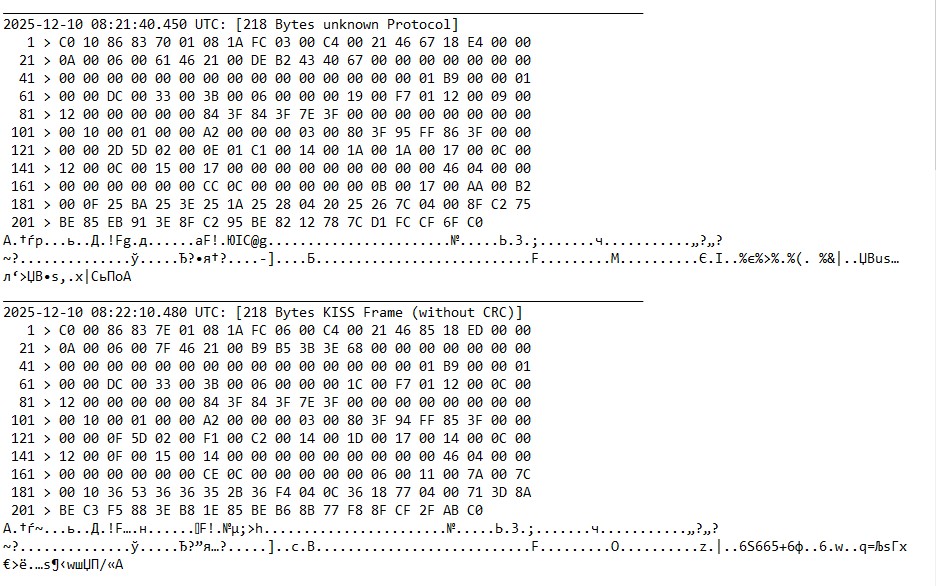
That’s interesting, we got similar packets in Network.
It seems to be every 10s but the length indeed doesn’t fit, except if we miss something.
We also don’t expect another object, at least from this launch at this frequency.
I’ll check it in more depth later, please keep us updated!
1 Like
So we were also quite puzzled by this situation.
We will continue attempting to reboot the satellite and enable the beacon, and we will share any new information as soon as we have updates.
Thank you for your support.
1 Like
PE0SAT
December 5, 2025, 10:06am
70
Looking at observation 12871312 , it has a perfect match with 66650.
The SDR used is a HydraSDR RFOne that is GPSDO locked.
Replaying the IQ recording I get the following hex values:
gr_satellites BEE-1000.yml --rawint16 iq_12871312_48000.wav --samp_rate 48e3 --iq --hexdump
***** VERBOSE PDU DEBUG PRINT ******
((transmitter . 4k8 FSK AX100 ASM+Golay downlink))
pdu length =         18 bytes
pdu vector contents =
0000: 8b 46 41 00 00 01 02 03 04 05 06 07 08 09 a1 88
0010: 29 d7
************************************
***** VERBOSE PDU DEBUG PRINT ******
((transmitter . 4k8 FSK AX100 ASM+Golay downlink))
pdu length =         18 bytes
pdu vector contents =
0000: 8b 47 41 00 00 01 02 03 04 05 06 07 08 09 91 5a
0010: 11 b2
************************************
***** VERBOSE PDU DEBUG PRINT ******
((transmitter . 4k8 FSK AX100 ASM+Golay downlink))
pdu length =         18 bytes
pdu vector contents =
0000: 8b 48 c1 00 00 01 02 03 04 05 06 07 08 09 49 57
0010: cd c8
************************************
With AX100 it is always a challenge to find some identification, there we need to help of the team.
The IQ and Yaml file can be found at this location .
Jan | PE0SAT
2 Likes
PE0SAT
December 5, 2025, 11:40am
72
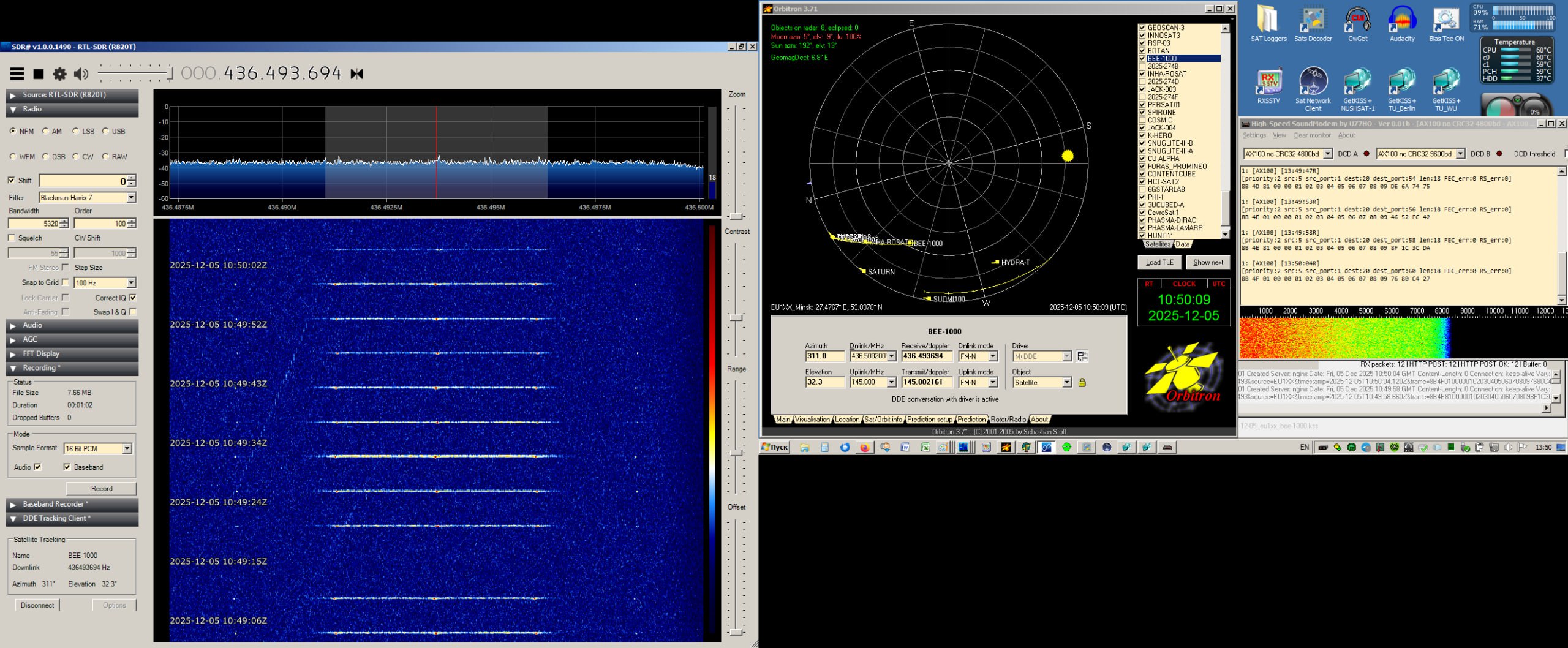
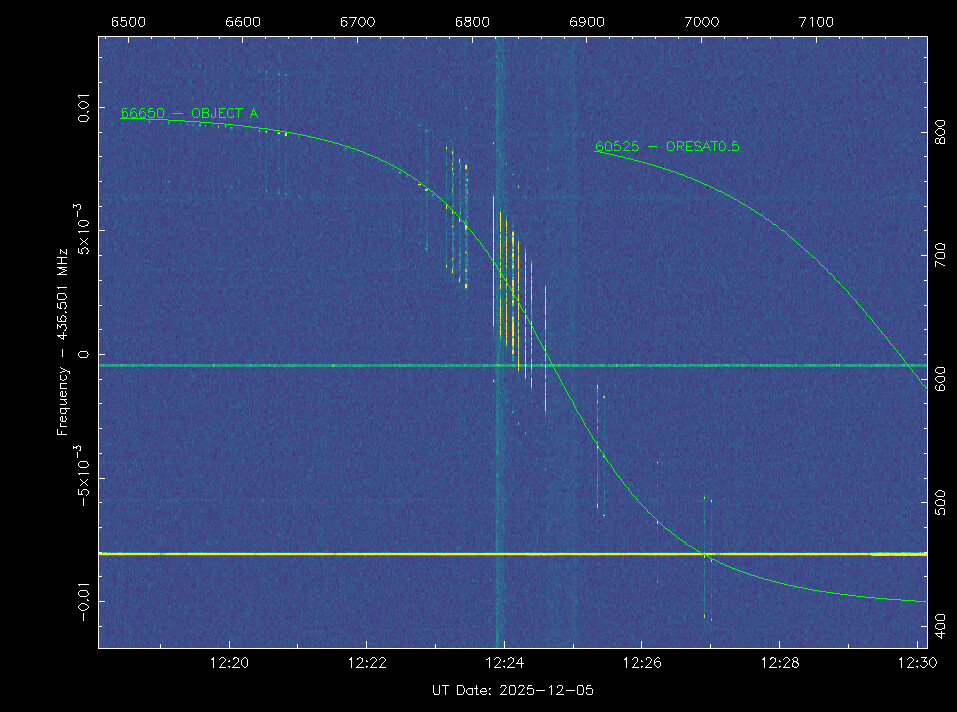
Thanks, I also found this Doppler curve on 436.500 MHz
2 Likes
PE0SAT
December 5, 2025, 12:13pm
73
This seems to be BEE-1000
3 Likes
Hello,
We may have some clues about the current situation.
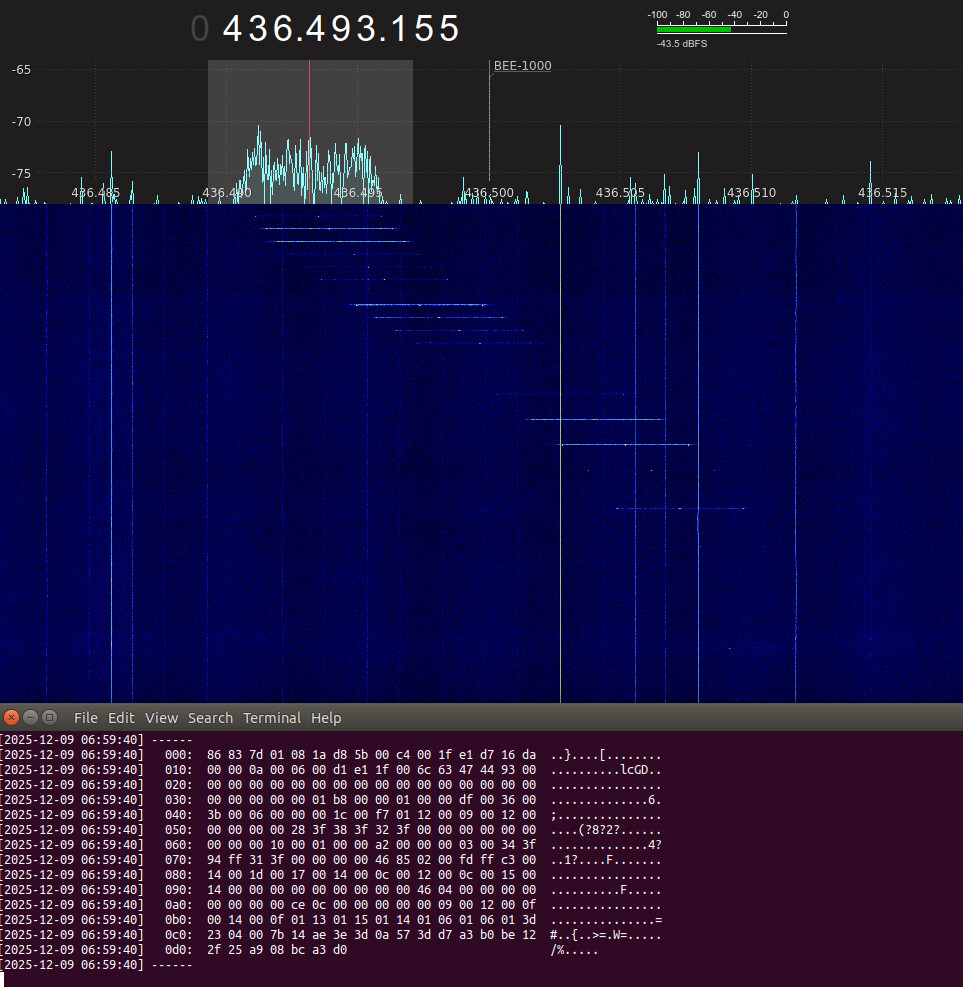
Our partner GS in Rome received AX100 ping responses at the same times signals were seen on SatNOGS:
So the waterfall signal might have been a CSP ping reply from BEE.
Since 66650 and 66651 are close in orbit, it is possible that we tracked 66651 but the actual response came from 66650.
Based on your information, 66650 seems more likely.
We will attempt communication with both 66650 and 66651 from our GS in Korea and share updates once confirmed.
Thank you for your support!
4 Likes
dl7ndr
December 7, 2025, 1:45pm
76
BEE-1000
At 2025-12-07 11:0x UTC I’ve decoded 8 AX.100 packets in 4k8 with 10 seconds interval using NoradID 66651.
86 83 67 01 08 1A DA B1 00 C4 00 1D 79 33 16 DA 00 00 01 00 06 00 2D 79 1D 00 FA F4 33 48 BE 00 00 00 00 00 00 00 00 00 00 00 00 00 00 00 00 00 00 00 00 00 00 01 B8 00 00 01 00 00 CF 00 39 00 3B 00 09 00 03 00 1C 00 FD 01 12 00 0C 00 12 00 00 00 00 00 84 3F 84 3F 7E 3F 00 00 00 00 00 00 00 00 00 10 00 01 00 00 A2 00 00 00 03 00 80 3F 95 FF 86 3F 00 00 00 00 D0 81 01 00 0E 01 CA 00 14 00 1A 00 17 00 17 00 0C 00 12 00 0F 00 15 00 14 00 00 00 00 00 00 00 00 00 F9 03 00 00 00 00 00 00 00 00 CC 0C 00 00 02 02 02 31 00 36 00 16 00 18 00 52 0E 3F 0F F6 0F 03 0F 1F 0F 08 0E 24 F9 04 00 8F C2 75 BC 5C 8F C2 BD 5C 8F 02 3F E3 8C F5 05
Since your satellite is transmitting on an amateur radio frequency without IARU coordination, could you at least disclose the beacon format?
73
1 Like
dl7ndr
December 7, 2025, 4:41pm
77
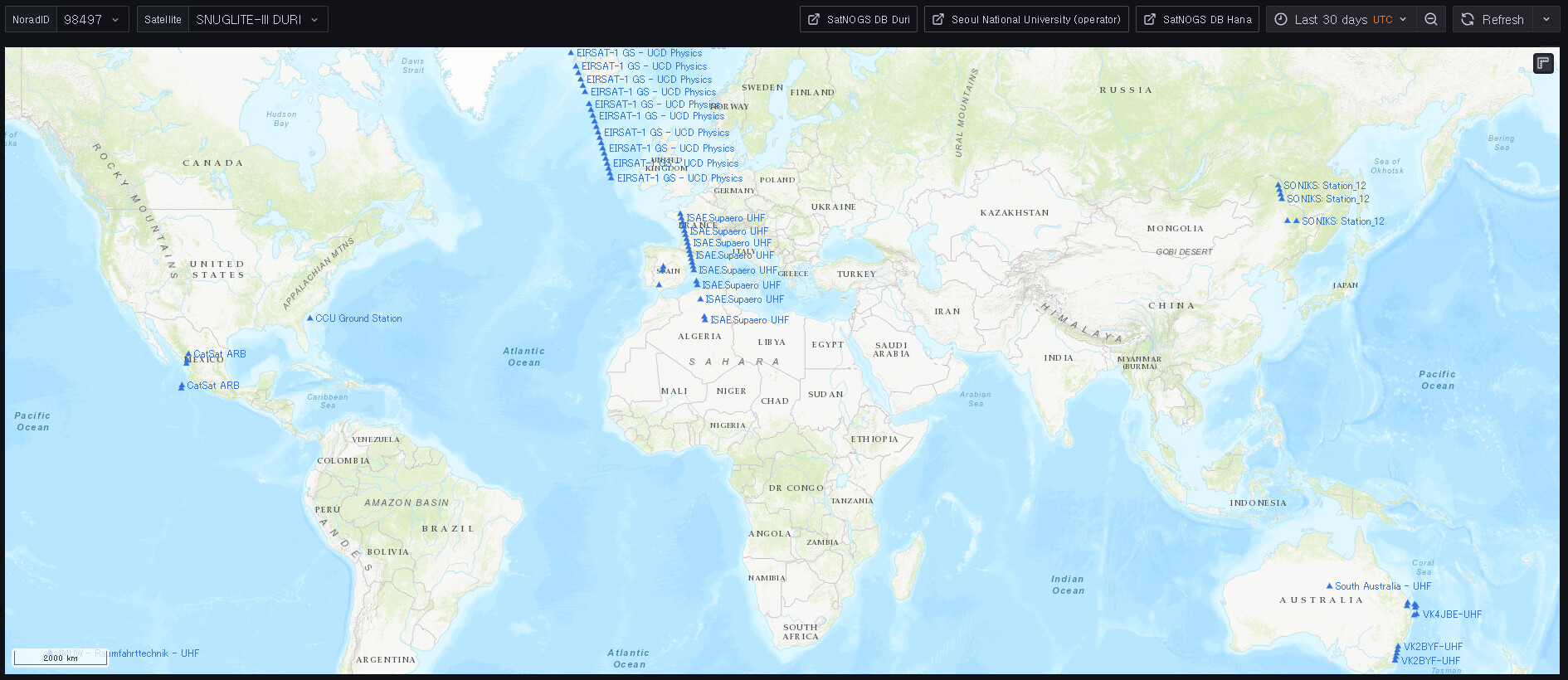
Dashboard for SNUGLITE-III online.Duri is transmitting.
The Geomap showing the position of SNUGLITE-III is under row “Position and Velocity”.
1 Like
Hello,
We are currently tracking 66650 , and we succeeded in enabling the beacon about three days ago.
Based on the communication results from our ground station, we confirm that 66650 is BEE-1000.
Thank you!
4 Likes
dl7ndr
December 9, 2025, 6:36am
79
BEE-1000
Thanks for clarifying what you meant by
“Our beacon frame is 203 bytes in length …”
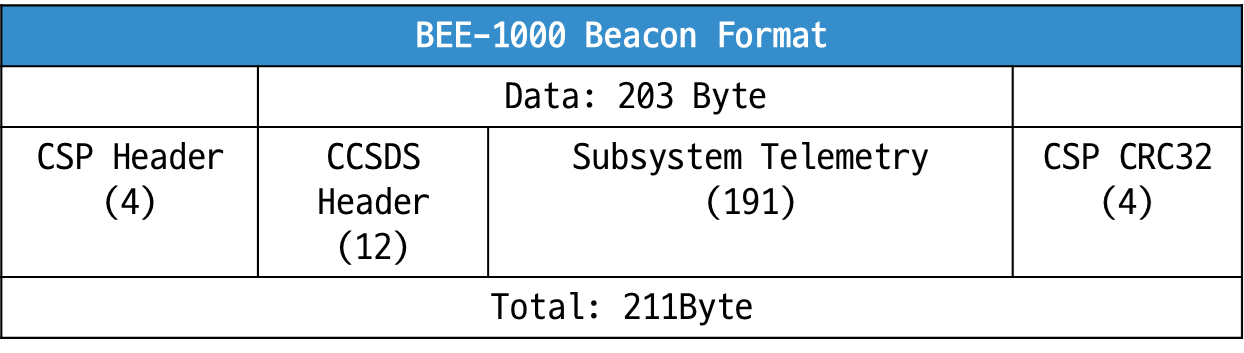
In total it’s 211 bytes long - that’s what I’ve decoded.
Could you please go into detail how to interpret every single value of the 191 bytes of the subsystem telemetry?
Daniel
2 Likes
K4KDR
December 9, 2025, 7:05am
80
dooyoung:
BEE-1000
Looked good over the Eastern U.S. tonight (considering only fair elevation) - thanks for the update!
4 Likes