Is there a published schedule for ssdv? Had a couple of attempts at receiving but heard anything. Most recent pass was wrong side of the building so signal might have been blocked. Would be good to know if I am just unlucky picking passes or if I need to improve set up.
1 Like
As I see there is no schedule. Every 3days a new photo or a group of photos is transmitted every 2-3 minutes beginning with the group of packets of a sound file than the photo packets, and than again 2-3 minutes of small bursts of telemetry packets, and than cycle repeats.
Sometimes, as the orientation of the satellite always changes and also the TX direction, so the signal might became weak or almost disappear.
1 Like
Photo 096. Still same packets missing after 3 tries.

Also I noticed that sometimes a transmission cannot be decoded evevn if the signal is strong, but at the same time with the same settings other packets were easily demodulated and decoded
1 Like
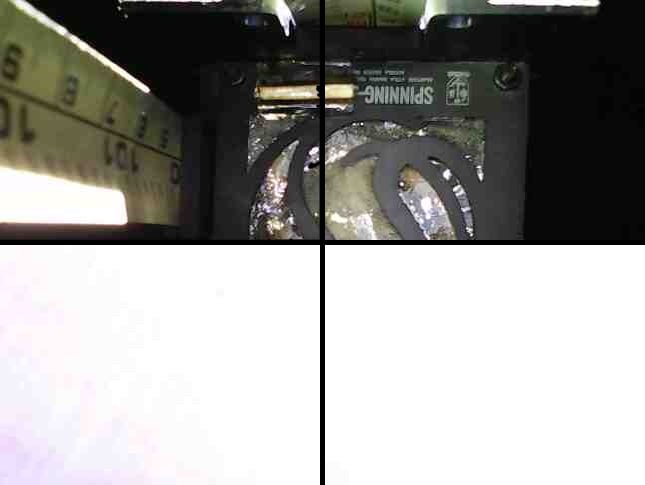
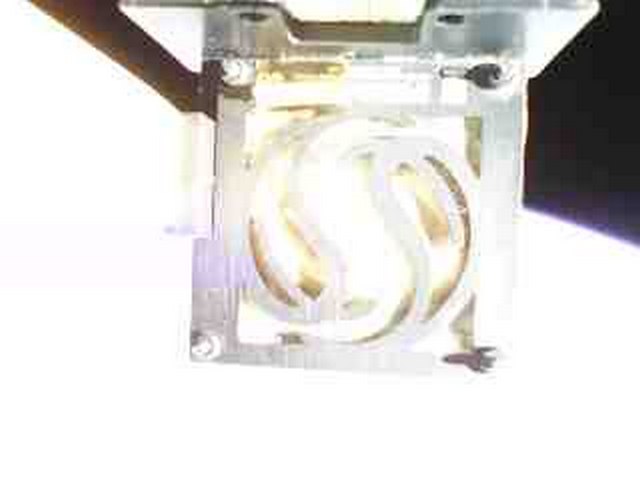
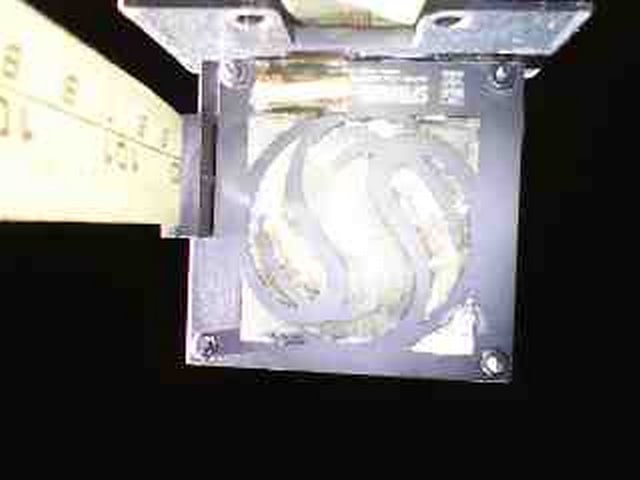
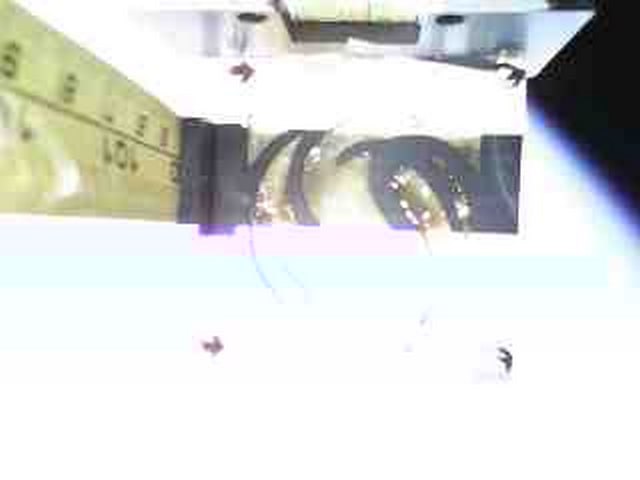
HADES-SA SSDV Images 2026-05-05
#112, 113, 114, 115.
In addition to my data, I used some frames from the SatNOGS DB
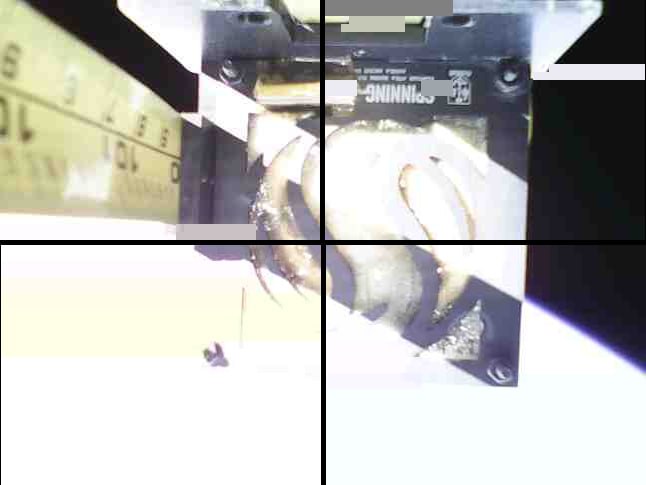
9 Likes
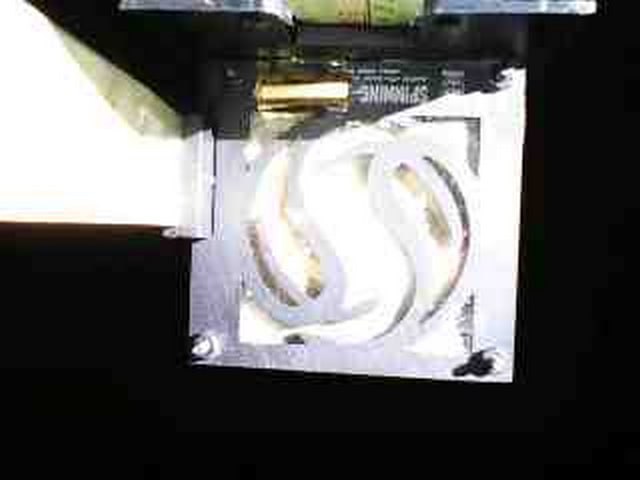
Yes, it is spinning, maybe too much. From 4 transmissions of 2 tries only one was partially successful.
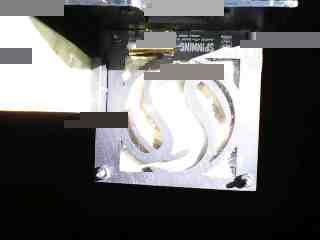
HADES-SA 11:59-12:08 UTC. image №128. Foldable helical antenna+AirSpy mini.
As first I thought that result would be awfull, but only few packets missing. This photo has more details and contrast.
4 Likes
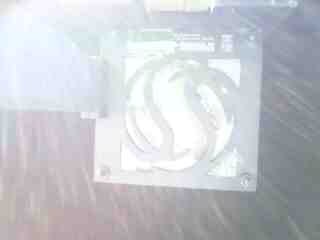
Nice result, especially considering it was collected across 3 passes.
One thing I find interesting in this kind of SSDV workflow is how useful partial data becomes when people keep sharing frames, audio/IQ, image IDs and pass context.
For anyone trying to merge or compare results later, it may help to keep the small bits of provenance together with the decoded packets: image ID, packet/frame range, observation id or pass time, station/source, and whether the packets came from local decode or SatNOGS DB.
That keeps the fun part simple, rebuilding the image, but also makes it easier for others to reproduce or improve the merge later.
I started looking at your demod_usb2.py script and tried a cleaned-up version focused on repeatable post-processing tests.
I checked a few HADES-SA observations on SatNOGS where IQ dump seemed enabled in the metadata, for example with enable-iq-dump: 1 and iq-file-path: /tmp/.satnogs/iq.raw.
However, the downloadable h5 files I found seem to contain only waterfall data, not the raw IQ samples.
I also saw that earlier in this thread you shared an IQ file from observation 13712702, but the LimeWire link now says the content has been removed or expired.
Do you still have that raw IQ file, or another small HADES-SA raw IQ sample that you used with your script, ideally one where SDR++ gives a better USB audio result?
That would make it much easier to compare the output properly instead of testing only on synthetic data.
F.
1 Like
hello friend, i have updated the link:
for everyone that need some part of IMG 128 (only 11-12 frags)
produced using this script convert from satno .raw file to .wav. then i convert to .ogg using sox command:
get here:
OKBANGET-audio-14002127.ogg.zip (1.4 MB)
if we implement this on our satnogs_client, we can share or just replay the ogg audio direct from browser as ussual from obs, to fullfill our not complete observations, just like we do with ssdv silversat
hope you got the best and better code!! spirit!
73!
Hi Bali,
I tested a cleaned-up version on the two IQ samples you shared, obs 14002127 and 13712702.
So far it produces audio very close to your original script, so I would not claim better demodulation yet.
The useful part is more about making the processing chain easier to test and repeat: explicit IQ format, USB/LSB option, optional conjugate/swap-IQ, configurable filters, controlled normalization, and a JSON sidecar with the parameters used.
On obs 13712702 the output looks consistent with your script in Audacity, with the useful tones preserved and the very low audio band more controlled.
I think the real next test should be downstream: run both WAV files through the same SSDV/SoundModem chain and compare how many valid fragments or frames are recovered.
I’m attaching the script here in case it helps.
satnogs_iq_to_ssb_audio.py.txt (11.5 KB)
2 Likes