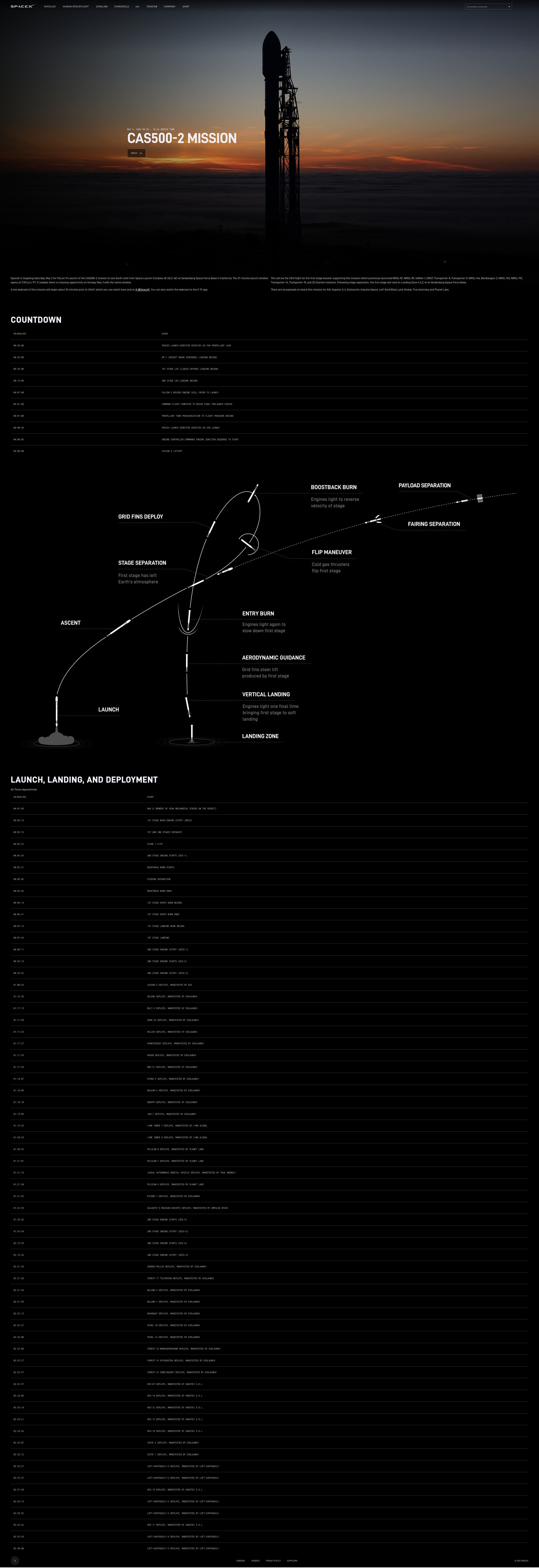
CAS500-2: This is a South Korean Earth observation satellite weighing about 550 kg, equipped with the AEISS-C camera with 0.5 m panchromatic resolution.
Selene: No information is available in open sources about this satellite.
BSLT-3: This satellite is part of the commercial SIGINT (radio frequency intelligence) constellation operated by Unseenlabs.
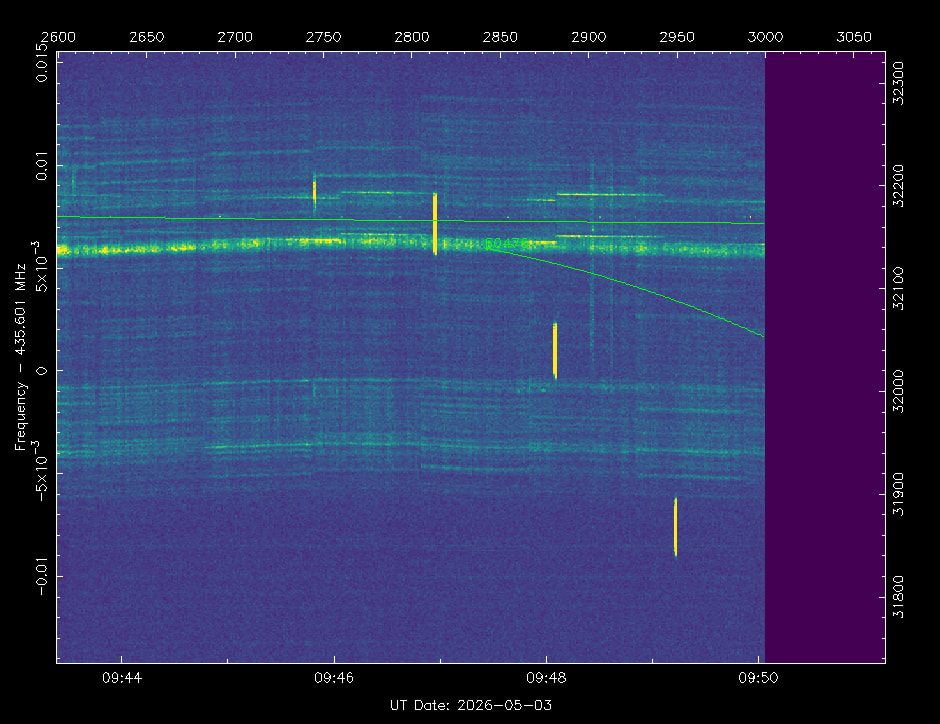
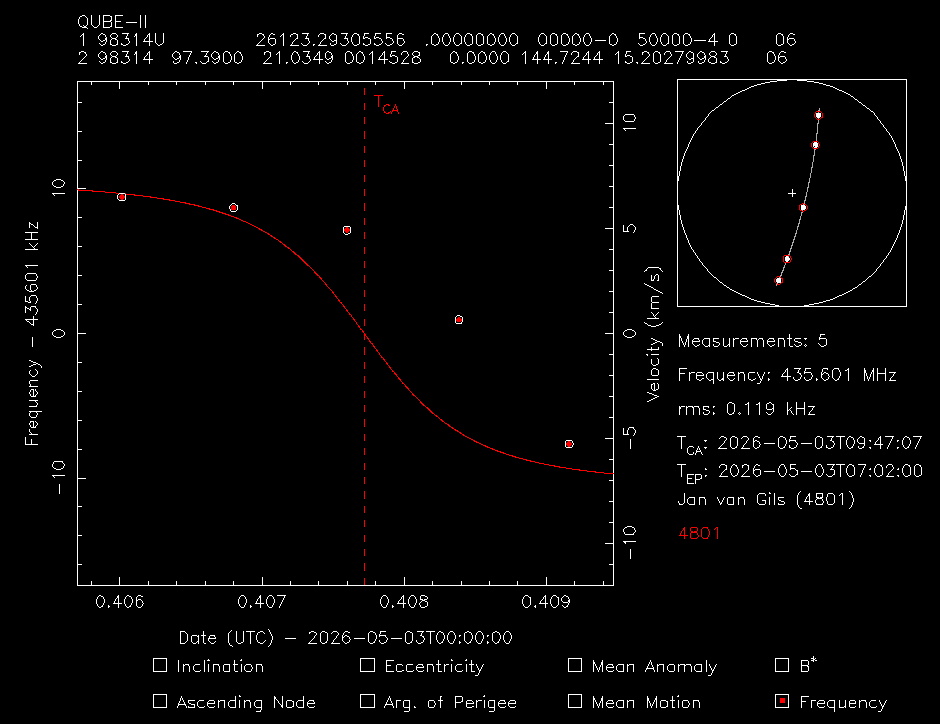
QUBE-II: This is an 8U CubeSat developed by the German Aerospace Center (DLR) to demonstrate quantum key distribution (QKD) technology from orbit.
Helios: No information is available in open sources about this satellite.
FrontierSat: This is a 3U CubeSat built by students at the University of Calgary to study a rare atmospheric phenomenon called STEVE (Strong Thermal Emission Velocity Enhancement).
RAVEN: This satellite is part of Unseenlabs’ BRO (Breizh Reconnaissance Orbiter) constellation for collecting radio frequency emissions from ships.
BRO-21: This is one of the French company Unseenlabs’ satellites for global radio frequency monitoring of maritime traffic.
Hydra-3: This satellite is part of Uhiru’s Hydra/T-cluster constellation providing Internet of Things (IoT) services.
Balkan-2: This is a Bulgarian satellite that will use an Enpulsion electric propulsion system for orbit maintenance.
SNAPPY: This is an Italian Earth remote sensing satellite.
JEN-1: No information is available in open sources about this satellite.
Jackal Autonomous Orbital Vehicle: This is a spacecraft by True Anomaly designed for rendezvous and inspection of other objects in orbit.
Eycore-1: This is the first Polish commercial satellite with a synthetic aperture radar (SAR), capable of observing Earth regardless of cloud cover or lighting.
GalaxEye’s Mission Drishti: This is an Indian Earth observation satellite that combines a multispectral camera and a SAR sensor for 24/7 high‑resolution imagery of any location.
Gemini-Pollux: No information is available in open sources about this satellite.
BusanSat: This is a South Korean 12U nanosatellite equipped with the PolCube polarimetric camera for observing atmospheric aerosols and the marine environment.
Pelican-9, Pelican-8, Pelican-7: These are commercial Earth imaging satellites offering 30 cm/pixel resolution with hyperspectral capabilities for various applications.
Lynk Tower 7, Lynk Tower 8: These are commercial satellites for providing emergency connectivity directly to standard mobile phones.
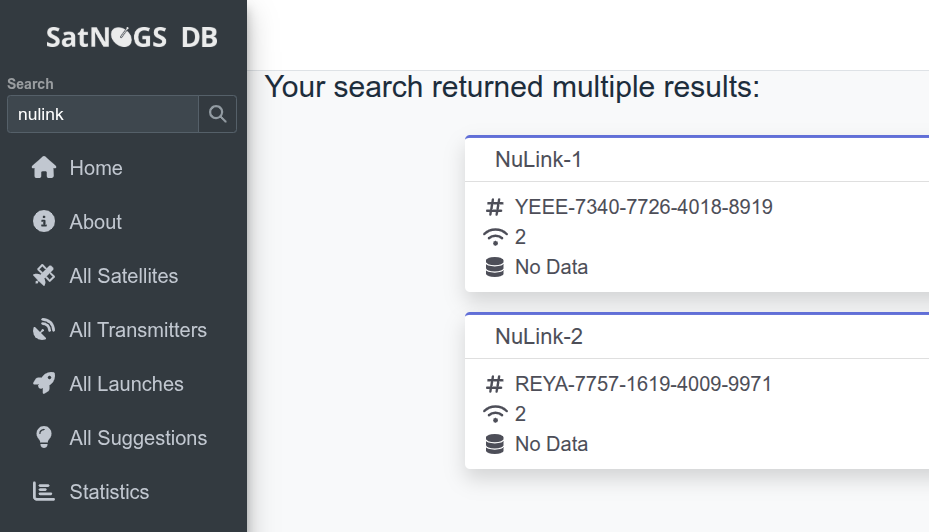
NuLink-2, NuLink-1: These satellites provide real‑time Internet of Things (IoT) services in remote areas of the Earth.
PEARL-1B, PEARL-1A: These are two identical 6U XL CubeSats from Taiwan’s National Central University for inter‑satellite radio link experiments in the Ku/Ka band.
FOREST-18 MangoShrikhand, FOREST-19 Patadastra, FOREST-16 Sowitasgoht, FOREST-17 Telperion: These satellites support urban planning, agriculture, and infrastructure monitoring through hyperspectral imaging.
HEO-07, HEO-14, HEO-12, HEO-13, HEO-10, HEO-15, HEO-11: These are Italian Argotec satellites for monitoring climate change with imaging resolution better than 3 metres per pixel.
ICEYE 2, ICEYE 1: These are Finnish radar (SAR) satellites capable of acquiring images in any weather, day or night, regardless of cloud cover.
Loft-EarthDaily-5, Loft-EarthDaily-6, Loft-EarthDaily-2, Loft-EarthDaily-3, Loft-EarthDaily-4, Loft-EarthDaily-1: These six satellites form a commercial constellation for daily global monitoring of changes on the Earth’s surface.
Here is QUBE-2 listing -2- 70cm Amateur freqs & an S-Band downlink. Hopefully they won’t use the 70cm downlinks much since this sat will be working w/ encryption technology research.
… every time I see a new sat listing 60 or 70 kHz bandwidth in the 400 MHz band, I always wonder if it’s going to end up being 62.5k LoRa since so many of the recent satellites are using that modulation.
… and might be interesting because in addition to 400 MHz, S-Band, & X-Band downlinks, they are listing the EU-868 & US-915 LoRaWAN bands. While documentation shows their area of focus to be Southeast Asia, you never know where we might be able to see some of these signals.
Until now there isn’t any TLE from celestrak, as usually publishes one day before transporter rideshare launches, so we might need to generate our own.
I’ll take a look later today on this and I’ll post any update here.
If any of the teams has any TLE to suggest to use for their satellite, just let me know.
Later today I’m going also to update the first post with all the satellite with their transmission details that we will track.