I have tested it. According to the bpsk_demodulator it automatically selects 12e3 if baudrate >2400.
Regarding the yaml, I started running it on a older release.
I have tested it. According to the bpsk_demodulator it automatically selects 12e3 if baudrate >2400.
Regarding the yaml, I started running it on a older release.
Thanks Daniel,
I wasn’t aware of this default behavior, also one of the reason I am not a fan of it, explicit configuration is usually more obvious.
Yeah, I understand both standpoints. Dani usually refers to amateur use, which uses a regular hardware radio and a audio interface, where the bpsk is centered at 1500Hz (middle of regular SSB). 9k6 is of course way outside a regular SSB channel width.
We used to have the bpsk flowgraph running at that (or was it 1800?) way back, and changed it to center of the 48k audio_rate (48e3/4=12e3) to accommodate wider bpsk.
So for satnogs use (non-IQ), it should always be --f_offset 12000 set by if_freq in the flowgraph.
Anyways of running this on Windows ?
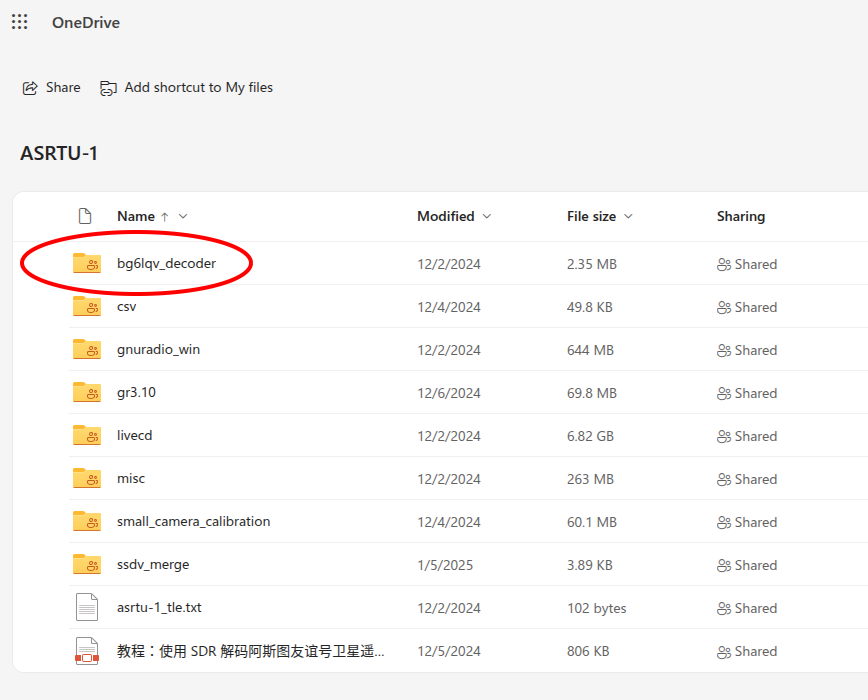
Yes, via Radioconda. All software needed is available at https://shorturl.at/8EEf1
Some of the grc blocks are missing. I have replaced the lilacsat files in the radioconda directory still no change.
Thought I would give this a go.
All is well until the last line of the script (gr_satellites_ssdv etc).
I get the following error:
IndexError: too many indices for array: array is 1-dimensional, but 2 were indexed
If I try to run the .kss file through plain 'ole ssdv then I get no packets. There are packets in the .kss file as it tells me in the log file.
satnogs_12616292_2025-10-25T07-43-10.txt (333.9 KB)
What am I doing wrong?
Good day!
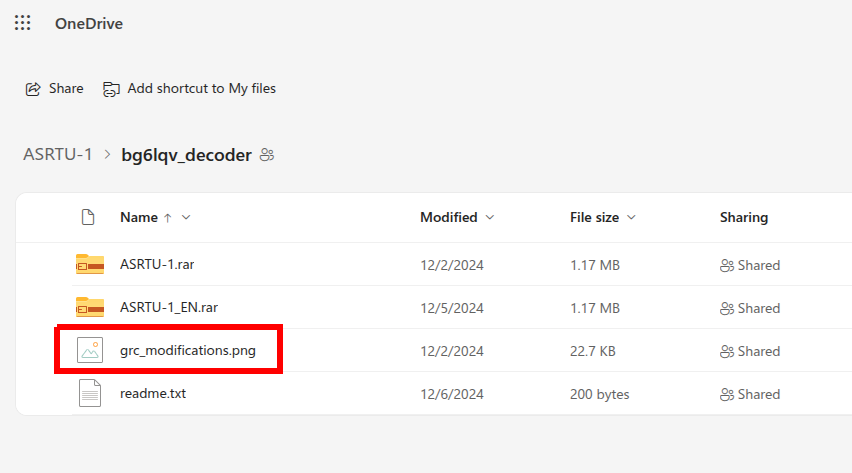
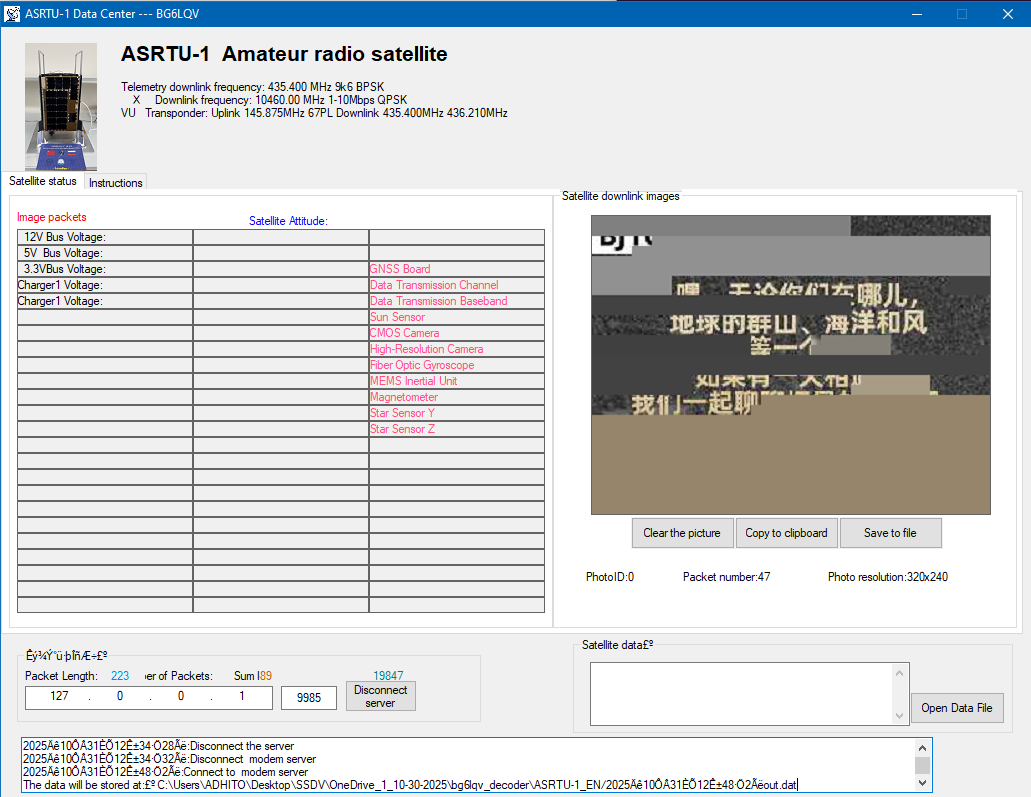
Have you downloaded the files from the link provided… in particular the the ASRTU-1_EN.rar file along with the ‘grc_modifications.png’ image showing how to add a block to GNU Radio to feed your decodes to the telemetry+image decoder on TCP-9985 (the .EXE file inside that .rar archive)?
THAT is how to see the SSDV image (if present in the downloads).
I won’t be running .exe files on my Linux box any time soon…
The app called ‘wine’ works very well; that allows me to run most Windows apps on my Ubuntu Linux computers
Thanks for the suggestion. Er. No. Hard pass on wine.
Besides it’s not tackling the issue at hand i.e. some of our friends here have got this to work on the command line without having to resort to a windows executable and wine.
I got the same message at this morning’s path. This is normal for KSS files that don’t contain camera data.
That could be it, JH4XSY.
Has anyone got an observation number which definitely has camera data in it so I can test.
I tried a couple of the observations from earlier in this conversation and still no cigar (but the same error message.
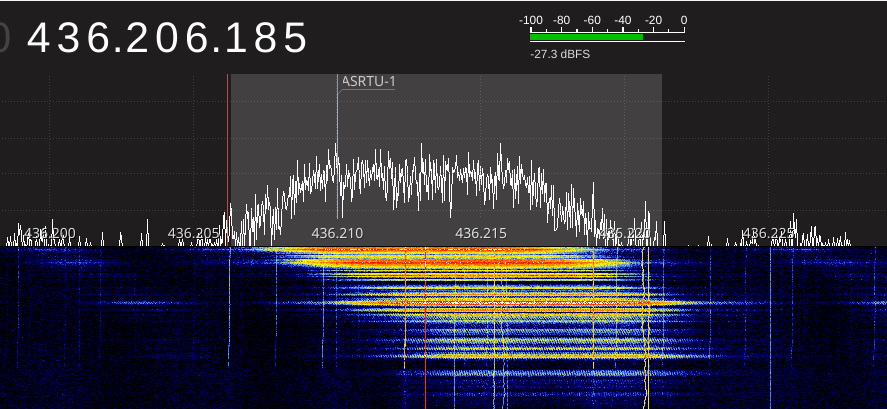
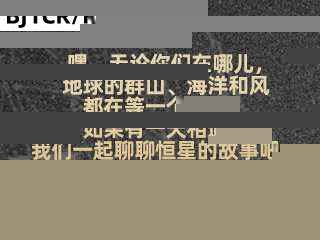
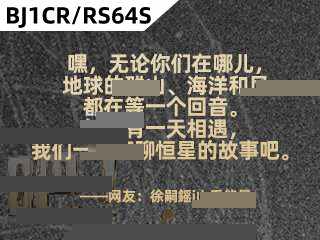
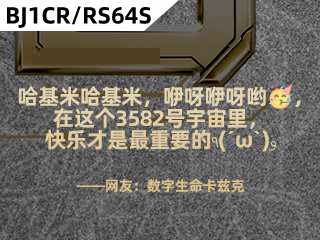
Is this what SSDV transmission looks like? Never saw one before so I’m not sure.
I saw BG2BHC post and so I just scheduled a couple observations.
Yeep this is an SSDV image transmited in BPSK
Another fun SSDV pass tonight. Can’t stop loving SSDV since you can miss frames & still get a partial image! Just bad luck… if that 2nd downlink had started a minute earlier, it would have been right at my peak elevation.
tutorial how to decode using gr_satellites
download and compile the latest gr_satellites
git clone https://github.com/daniestevez/gr-satellites
download and compile the latest version of ssdv
git clone https://github.com/daniestevez/ssdv
follow the github page for compile and installation manual
download the .ogg file, here example for observation #12647973
wget https://network-satnogs.freetls.fastly.net/media/data_obs/2025/10/30/13/12647974/satnogs_12647974_2025-10-30T13-48-57.ogg
convert to wav file
sox satnogs_12647974_2025-10-30T13-48-57.ogg 12647973.wav
extract the data
gr_satellites 61781 --wavfile 12647973.wav --kiss_out 12647973.kss
decode image
gr_satellites_ssdv --satellite DSLWP 12647973.kss 12647973
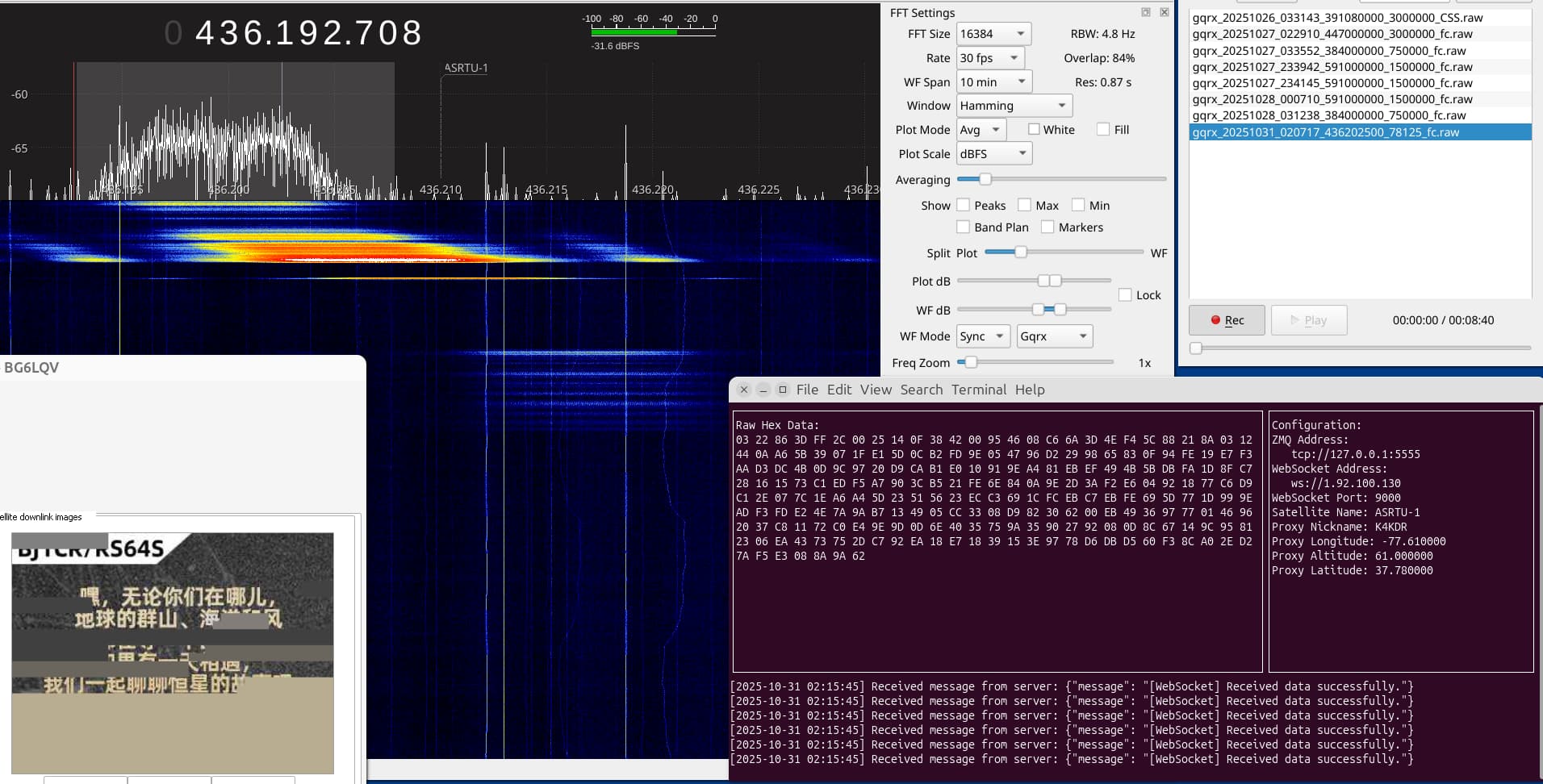
Wow, I got it! My first SSDV decode.
It only took almost one year to finally decode something from ASRTU-1. I started playing with GNU Radio since its launch last year but left after no avail eversince 
Thanks everyone.