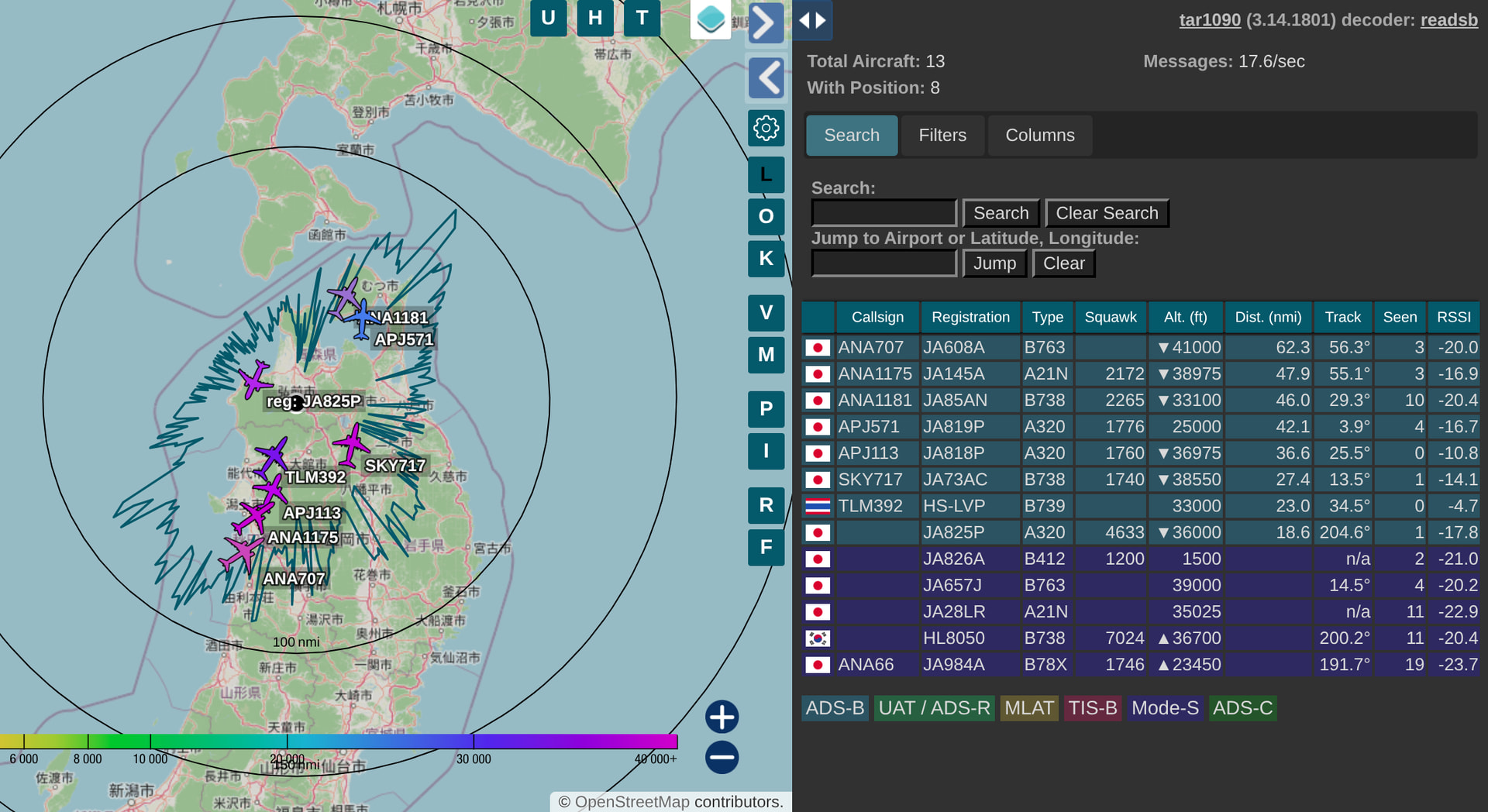
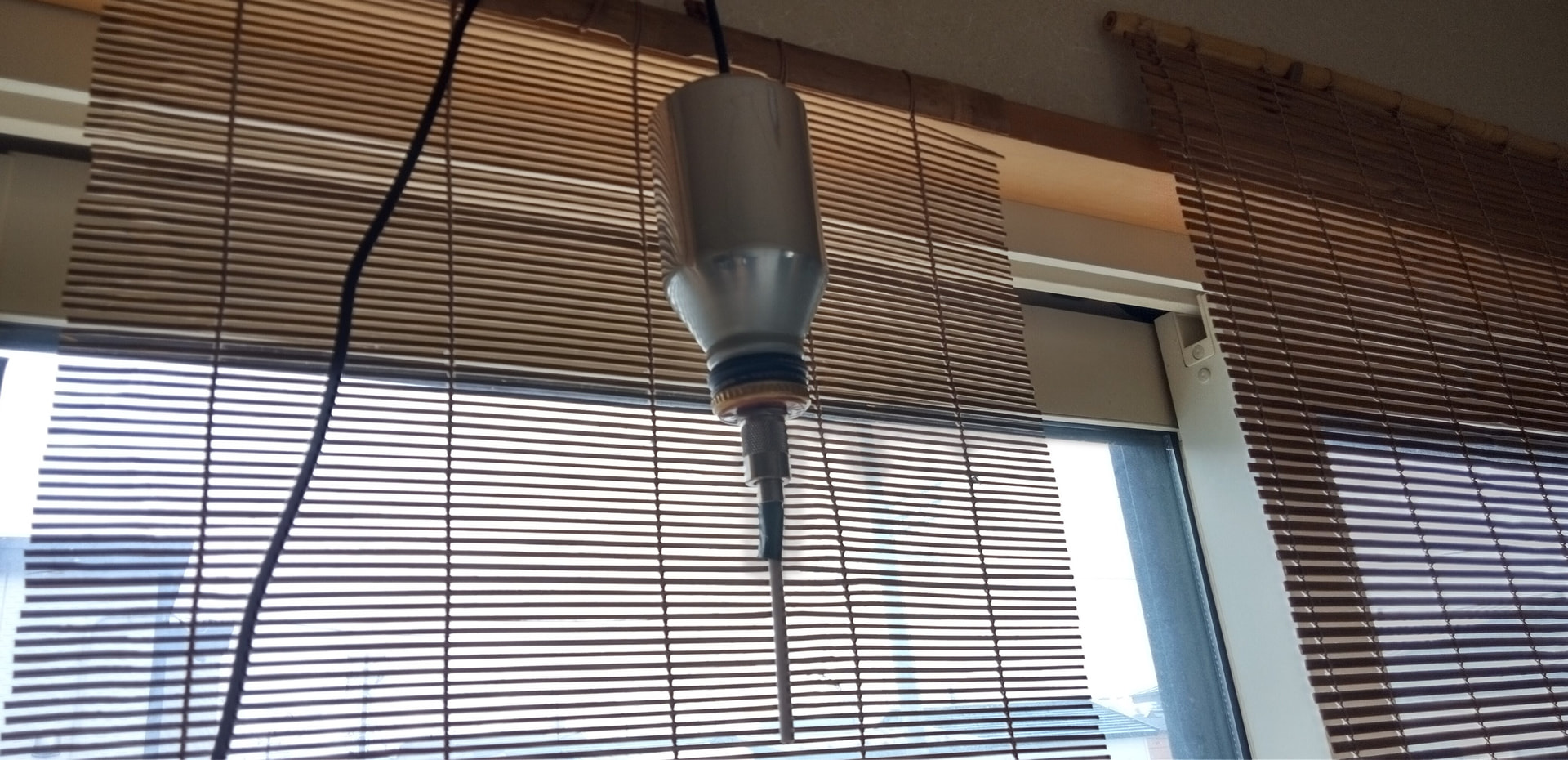
I don’t have a Raspberry Pi, so I am running my SatNOGS station on an old PC with Debian 12.
I would like to know if there are any other members here who are also running their stations on older PC hardware rather than a Raspberry Pi. I’d love to hear about your experiences or any tips you might have for this setup.
Thank you for your reply! It’s encouraging to hear that you also prefer using mini PCs for your ground stations. It gives me more confidence in my current setup using an older PC with Debian 12.
I am particularly interested in your Docker setup. Did you find it easier to manage compared to the non-containerized installations?
I’d say it depends heavily on what you expect from your station:
If you want it, to just run without issues, you should go for the docker-container setup
If you want to customize it in any aspect, you should maybe go for manual setup
The stations I maintain run without the docker stack. I appreciate that everytime I want to develop on the client or I want to tweak e.g. post-observation-scripts.
Personally, I like to handle daemon processes like satnogs-client more via systemd, than via docker containers. But thats heavily a matter of taste.
Thank you for your detailed advice. It’s very helpful to know the trade-offs between the Docker and manual setups.
Since I enjoy tinkering with my Linux environment, I find your preference for managing the client via systemd very inspiring. I’ll look into the manual setup further as I want to keep customizing my station.
I am not a fan of Docker in this specific use case, I want to be able to change, add, integrate, etc and a docker container makes this more difficult.
Already mentioned are the pre and post scripts and I am also developing a lot of gr-satellites yaml files and adding them to a SatNOGS docker setup isn’t easy.
In the past the legacy setup was pretty straightforward and I even shared a blog page on how to do this. Now with the new docker based development this has become more difficult and therefor my current stations are still running version 1.8.1.
This all being said, I do spent time in this new development and have also a stations running based on the docker container solution but with a personal/manual configure docker-compose.yml.
Thank you for the detailed explanation! It’s fascinating to hear about the trade-offs you face between the simplicity of the legacy setup and the current Docker-based developments.
Your perspective on maintaining the freedom to customize gr-satellites configurations makes perfect sense, especially for someone who likes to experiment as much as you do. It’s also great to know that a personalized docker-compose.yml is an option for bridging that gap.
I really appreciate you taking the time to share your experience with me.
Actually, I’m already using my second SDR for flight tracking (FR24/ADS-B) on this machine. You’ve convinced me that a third SDR is definitely the next step to run both setups!
It’s exciting to think about what this PC can handle. Thanks again for the inspiration.