OpensourceSDRLab 7020 SDR and my mistakes / failures

Hi, I think this is “does not fit anywhere else” topic, if not right place, please move me :sweat_smile:

Being left unattended as my excuse I bought an
OpenSourceSDRLab New 7020-SDR AD9361 Development Board with PA for Pluto SDR & MATLAB Software Defined Radio.

I am using two older Pluto’s modded to extended range with much pleasure and decided it was time to go for the one with original AD9361 instead of the modded AD9364
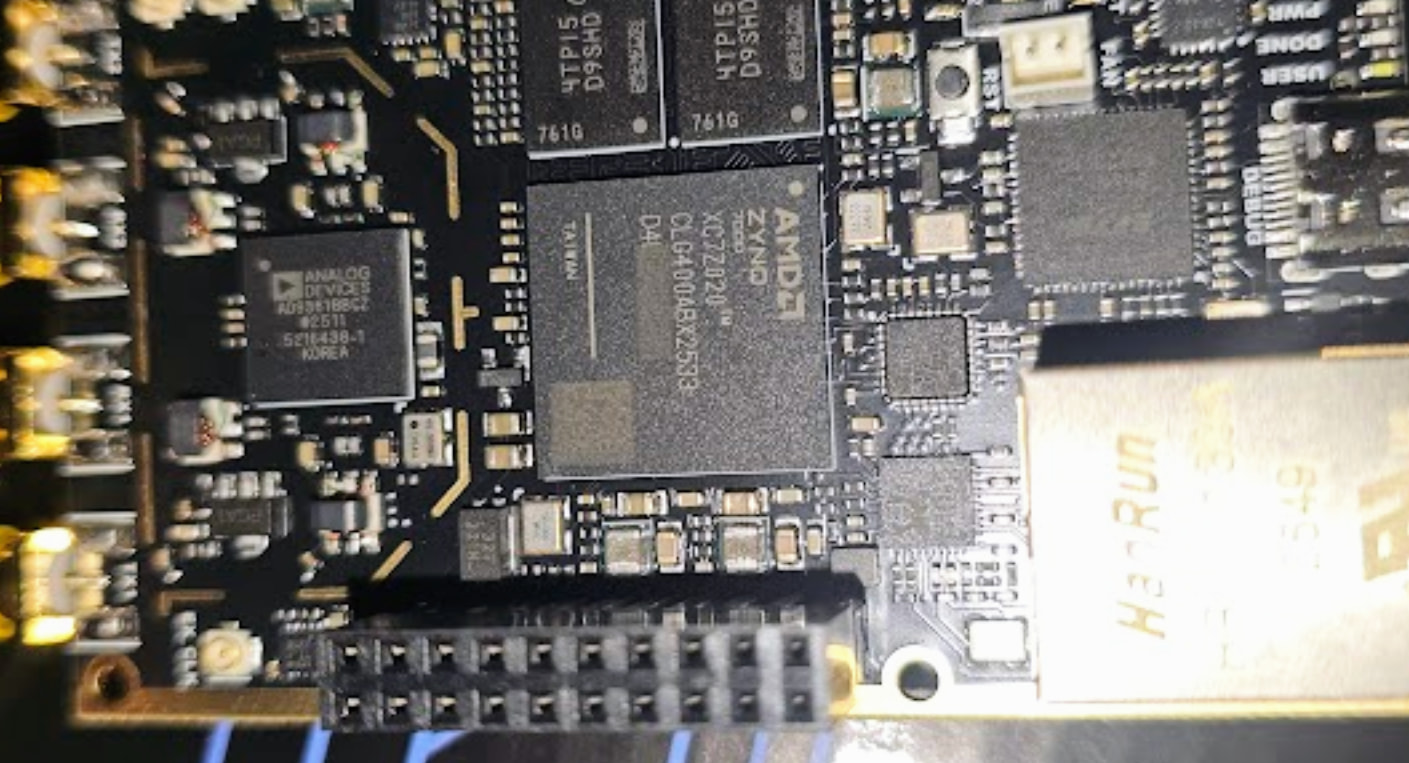
Board arrived, no custom taxes involved, took some images from the hardware before placing the 2 cool elements on the processor and radio chip.

Connected the board to USB 2.0 and noticed no default USB ethernet was available, my mistake, the rndis adapter was there but not setup to take the 192.168.2.10 address (which works ok now)
So with netscan I noticed the device being around on the network on an DHCP address, added the device as pluto to SDRConsole, with the Ip address and ran it at 5 MHz (about the max SDRConsole can run in this version) tested 2184 MHz on the horizontal logper which appeared nicely in the waterfall.
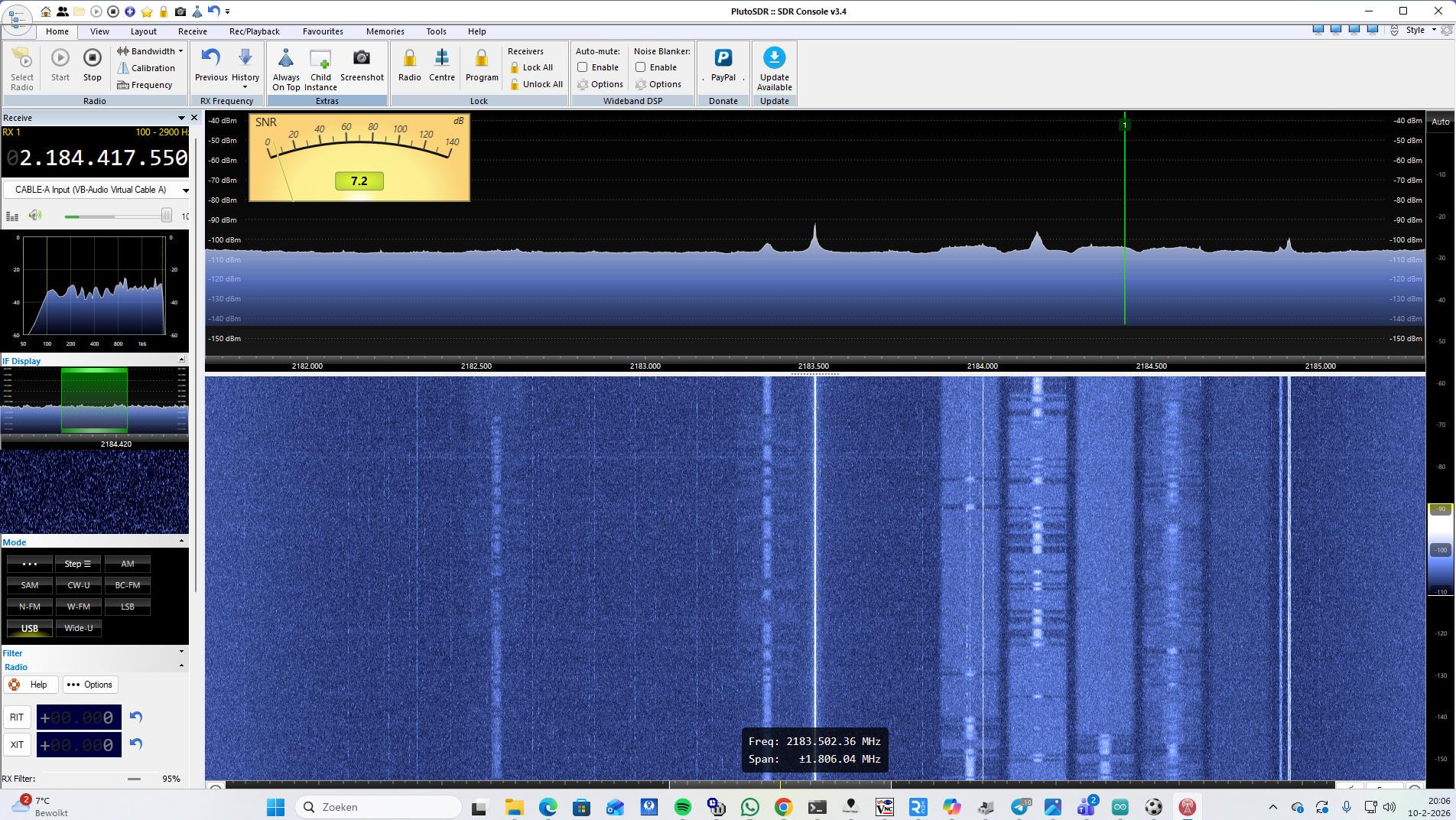
Skipped through FM radio band, and 430 MHz radio amateur range and noticed no stuttering while playing.

That moment I decided to update firmware. I downloaded the pluto 0.39 firmware which did not boot. The board came with an 128 MB micro sd card on which I moved the firmware but after reset the board did not boot again. Formatted the card and replaced the contents with the original files (which I luckily saved) and it booted again.

Now it was time to get maia-sdr installed. Created the image on 16 GB sd card and moved the files compatible with my board (there are files for 6 boards available) to the “boot” partition. Finally with the 7020 board settings the board booted but no Ethernet IP . Moved back to the default card with restored files, device did not boot.

Long story short: with help from copilot I managed to unbrick the board a bit by flashing the 0.38 firmware from Analog with dfu-util but now the device is a bit out of it’s mind. The FM radio band shows all types of cellular phone tower signals, only the local (2 km distance) radio station is visible, and the 430 MHz amateur radio band acts like my pluto with ad9363 setting.

So I imagine my dfu-util upload with the default pluto frm woke up the board again but with comple wrong settings for radio chip and / or filtering.
Reception around 2184 MHz is much weaker but still exists, and beacon from PI7RTD on 3400.920 MHz appears on 2 different frequencies about 120 kHz away from each other.

So now I am awaiting patiently ….. the reply from the seller to my request for the original firmware file(s). I saved the commands to run from the uboot prompt to get the module in DFU mode after being messing around with that for 2 days. The prompt shows Pluto> instead of uboot and that confuses all AI around over here.

Thanks for your time :slight_smile:

2 Likes

In the mean time I received the hardware info, diagram and SD card files from the opensourcesdrlab company, but not the .frm or .dfu file I am looking for. waiting patiently for their reply again.

1 Like

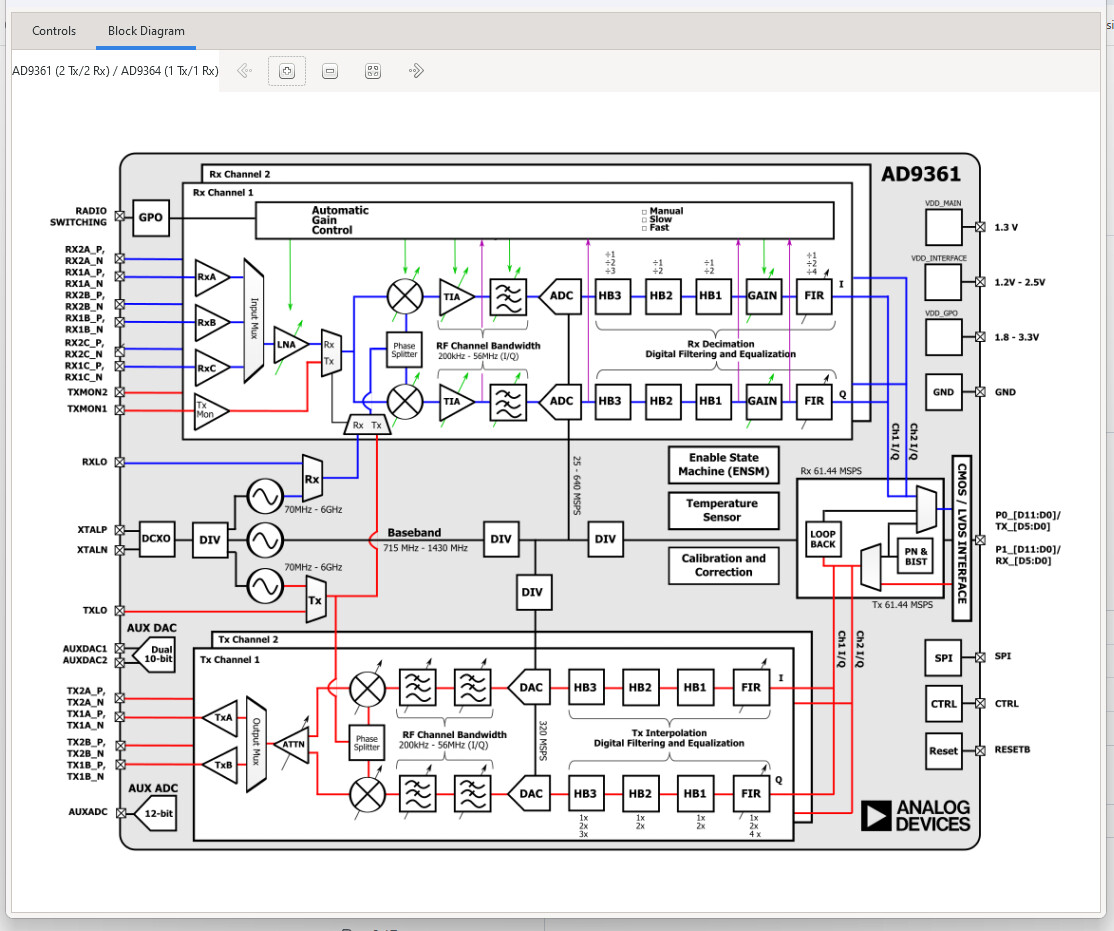
Just for info, after compiling, building, image making, no improvement, except for Rx around 1500 Mhz and up appears to be good. I have now connected iio Oscilloscope to adjust settings one by one but I like the block diagram in the controls page.

1 Like

Let me continue my story a bit. So far, the unit is operational again, bricked again, recovered again, finally running a Maia-sdr from SD card or the common firmware from SD card. I had been lucky to both store the contents of the original SD card and copied 4 files, mtd0.bin up to mtd3.bin from the flash ? memory to SD card, where restoring the Fishbal 7020 with help of the mtd0.bin was one of the most exciting moments in my career….

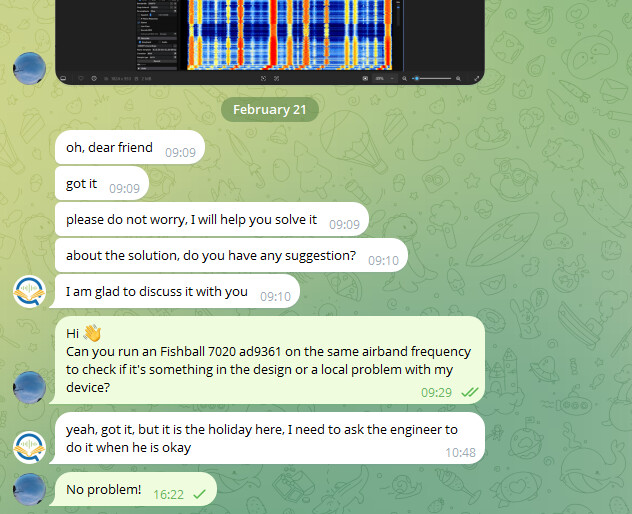
After having the system up a bit I got in touch on Telegram with the OpensourceSDRLab ‘team’ and while having chinese holidays they are supporting me in solving the problem I ran into.

For example they wanted me to show how the spectrum looked on the Fishball and on another SDR so I did run some tests with the chinese HackRF portapack and the Fishball SDR.

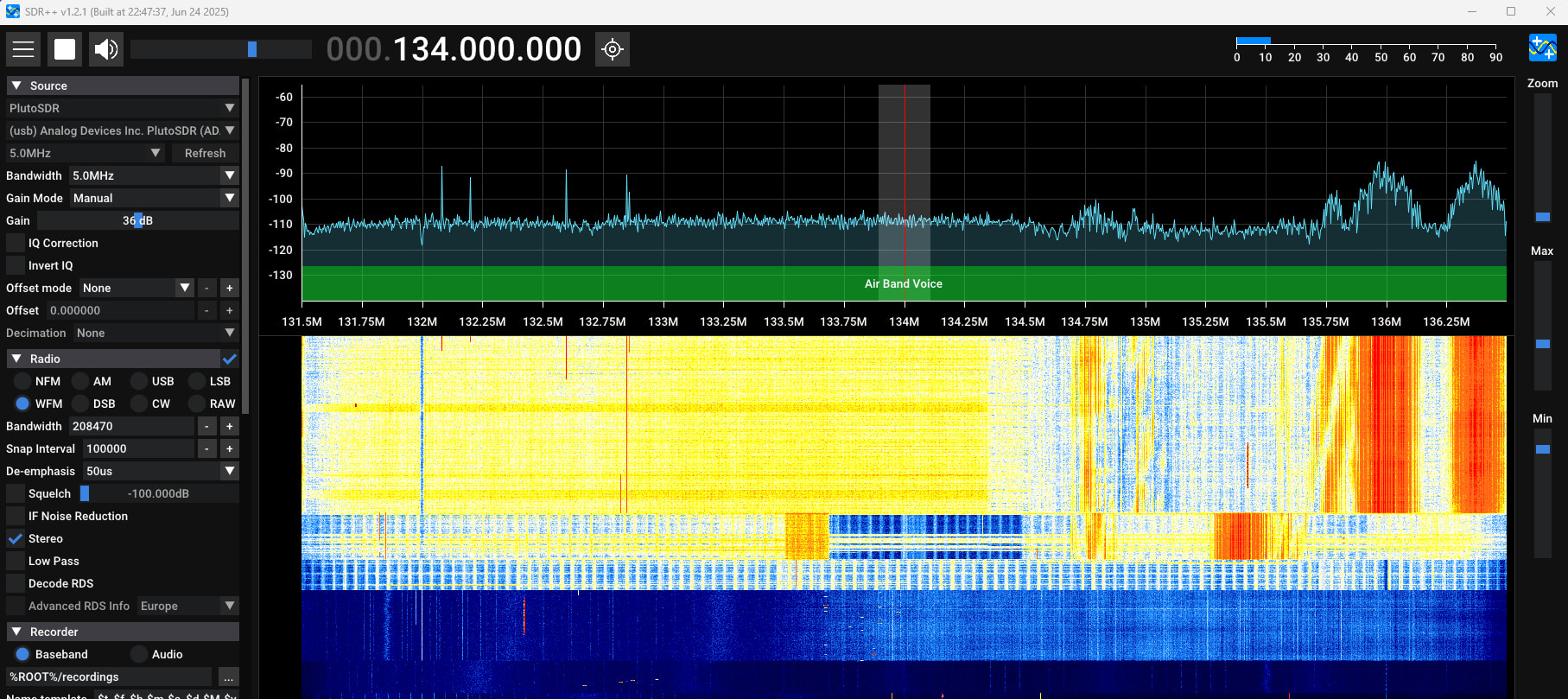
Showing them their reception of 134 MHz Airband

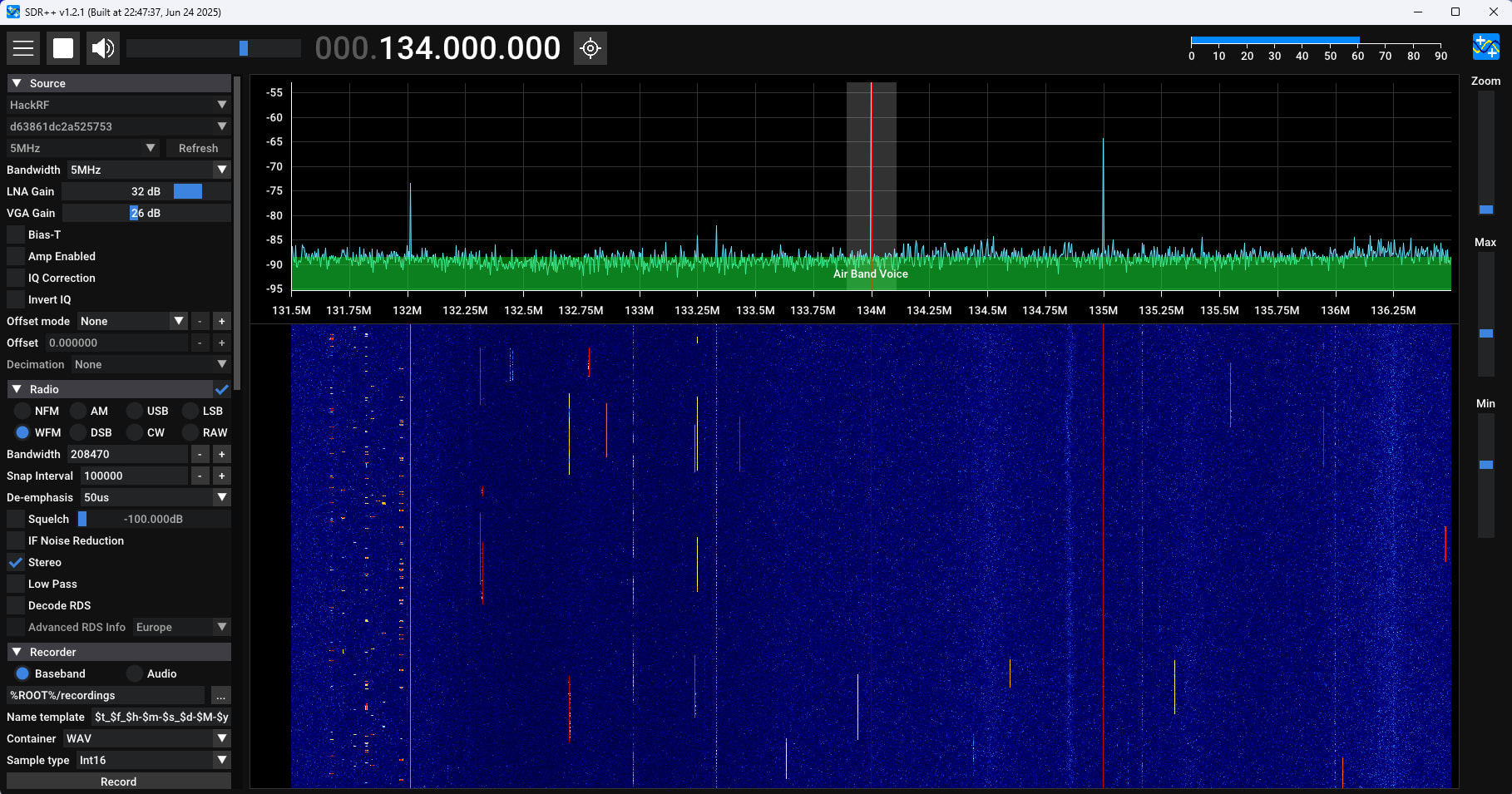
Followed by the same frequency on the HackRF

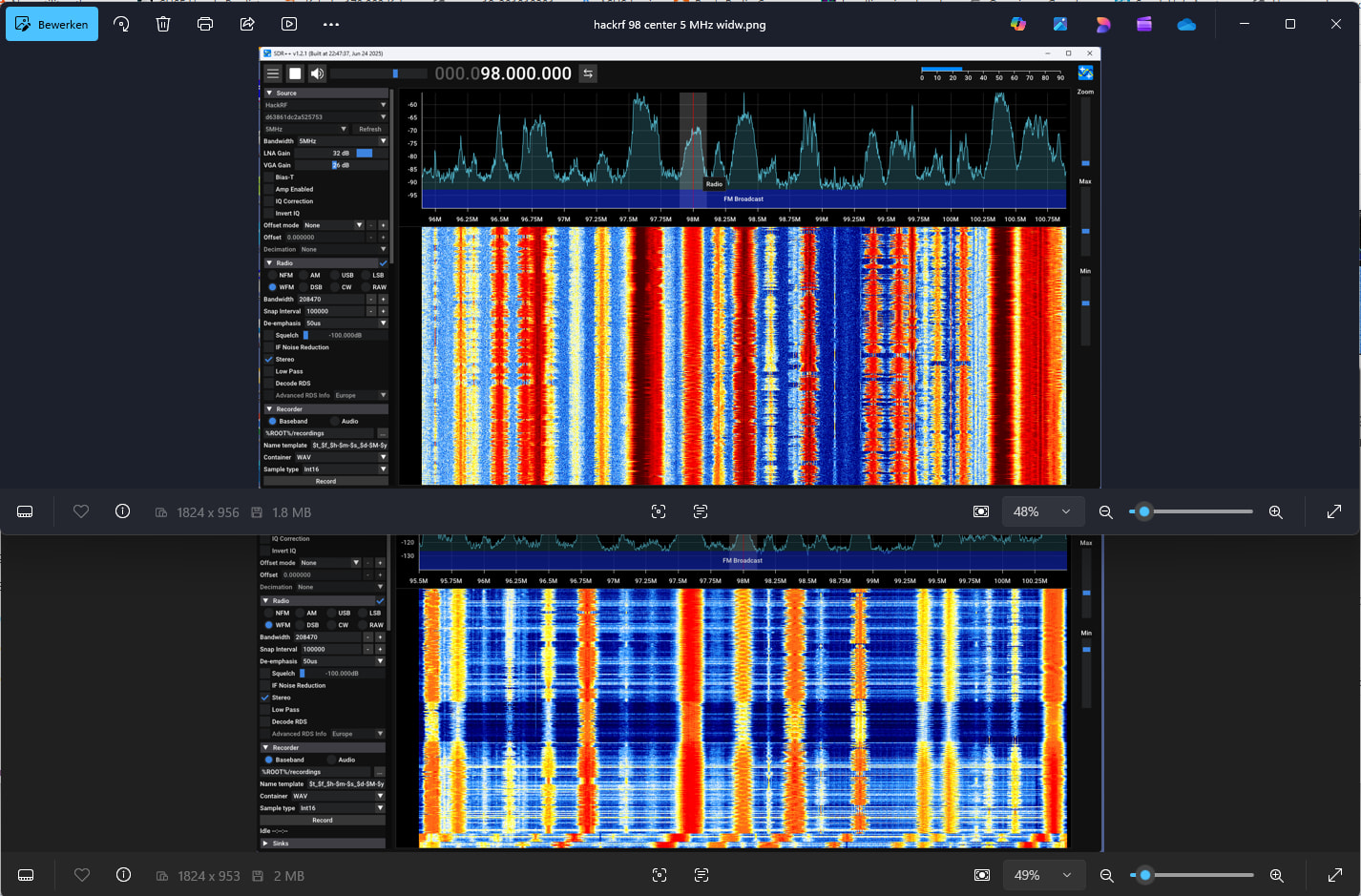
and the difference on FM band , top is HackRF, bottom is Fishball,

gave me this reply:

Out of curiousity I took the original rev a pluto from the attic and checked the same frequencies, and the reception on SDR++ is close to the same on the frequencies as on the Fishball.

Which made me wonder if I really have the AD9361 on my board or a rebranded ad9363.

AI points out there’s supposed to be a register in the chip to readout what generation the chip is, but also tells me there has been an error in that definition so all chips give the same output when checking for the device string.

Reception above 1500 MHz however looks to be ok I noticed no imaging from cell towers or something in the 1550, 1624, 2184 or 2150 Mhz range.

To be continued. If someone is interested :wink:

2 Likes

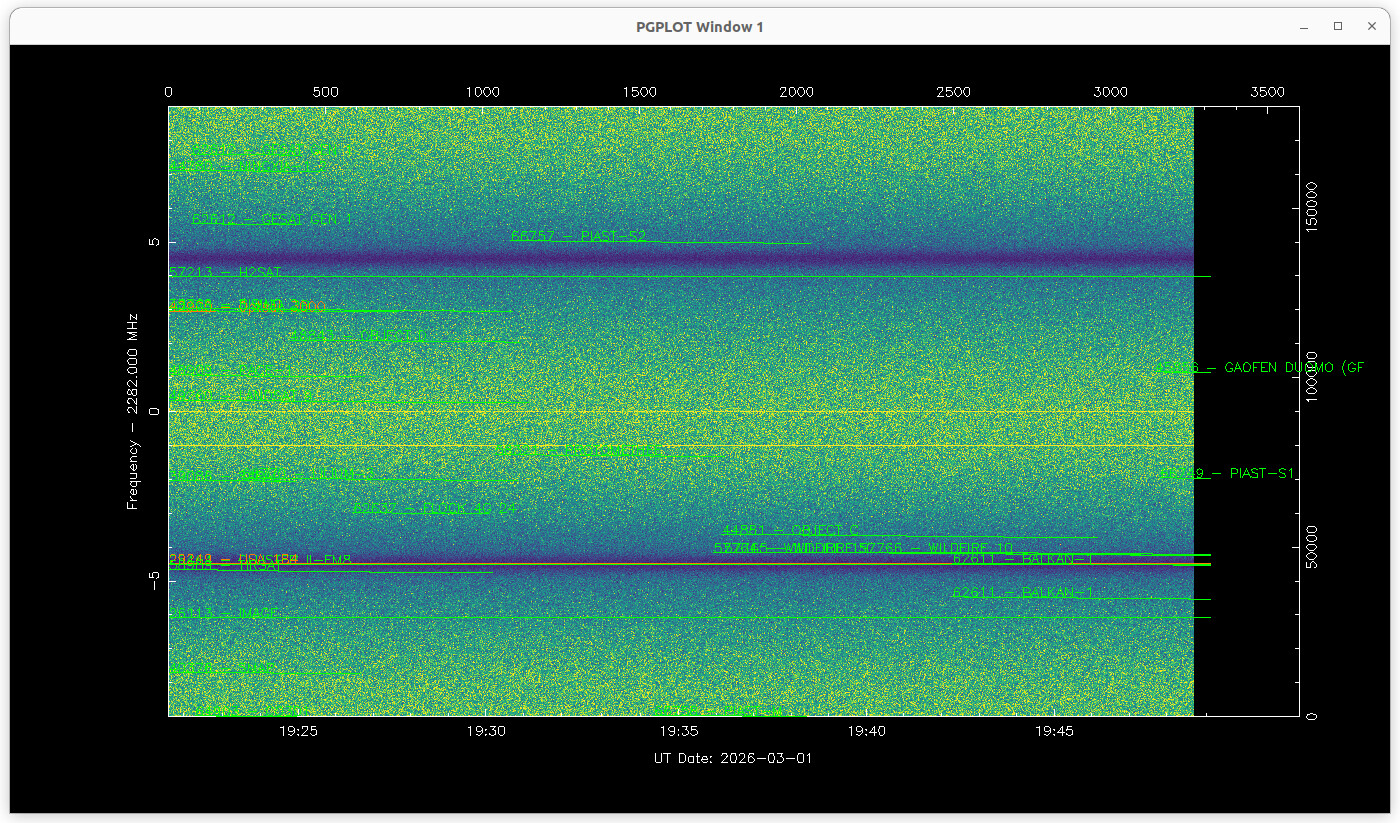
Not getting any further at the moment. Techupport is on holiday. I have had the unit running S-band strf with the same settings as my regular pluto. There are signals visible, but I have those 2 dark segments in my plot which I cannot explain. If I connect SDR++ at 20 msps and the same range and span it looks like a quite neat waterfall.

Hi, at first let me show you the photo I took before mounting the 2 heatsink parts. This shows the RF chip shows as AD9361 . However, as mentioned in my story, the register values for checking are wrongly implemented in the chip(s) so no way to tell for 100 percent this is a real AD9361.

However, RX performance on both 1500 MHz and 5760 (Beacon band for radio amateurs) appear to be ok, and the unit has indeed the PGA1 as amplifier in the 2 TX circuits. I did not do any measurements on that , did not tx with it yes, but I think this version of the board should be usefull for the 2 ranges you want to do antenna work.

I have a signal generator on the way to check for consistency in RX frequencies

Hope this helps,