Eyewitnesses report having seen a launch from Plesetsk around 17.30 UTC today. There have been no NOTAMs corresponding to the launch of a Yars ICBM, so this
most likely was the satellite launch to a 82° inclination orbit discussed in this thread. Strangely enough, there has been no confirmation of the launch from the Ministry of Defense,
which is highly unusual. This points either to some kind of mishap or a new policy to no longer announce launches from Plesetsk.
Even if this satellite was indeed placed into orbit, it is highly unlikely to have been the sole payload carried on board. The launch was expected to place 16 Rassvet
broadband satellites into orbit.
We will have to wait and see if US tracking data confirm that something indeed reached orbit.
Bart Hendrickx
I’ve added the satellite in DB with temporary NORAD ID 98373 and scheduled in Network.
Here is the TLE from @R4UAB changed to use the temporary NORAD ID in DB:
We have some successful obs in the network.
Listening to the audio recording, this doesn’t sound like 1k2 AFSK AX.25. Let see if we can find a more centered obs or IQ recording and do some further analyses.
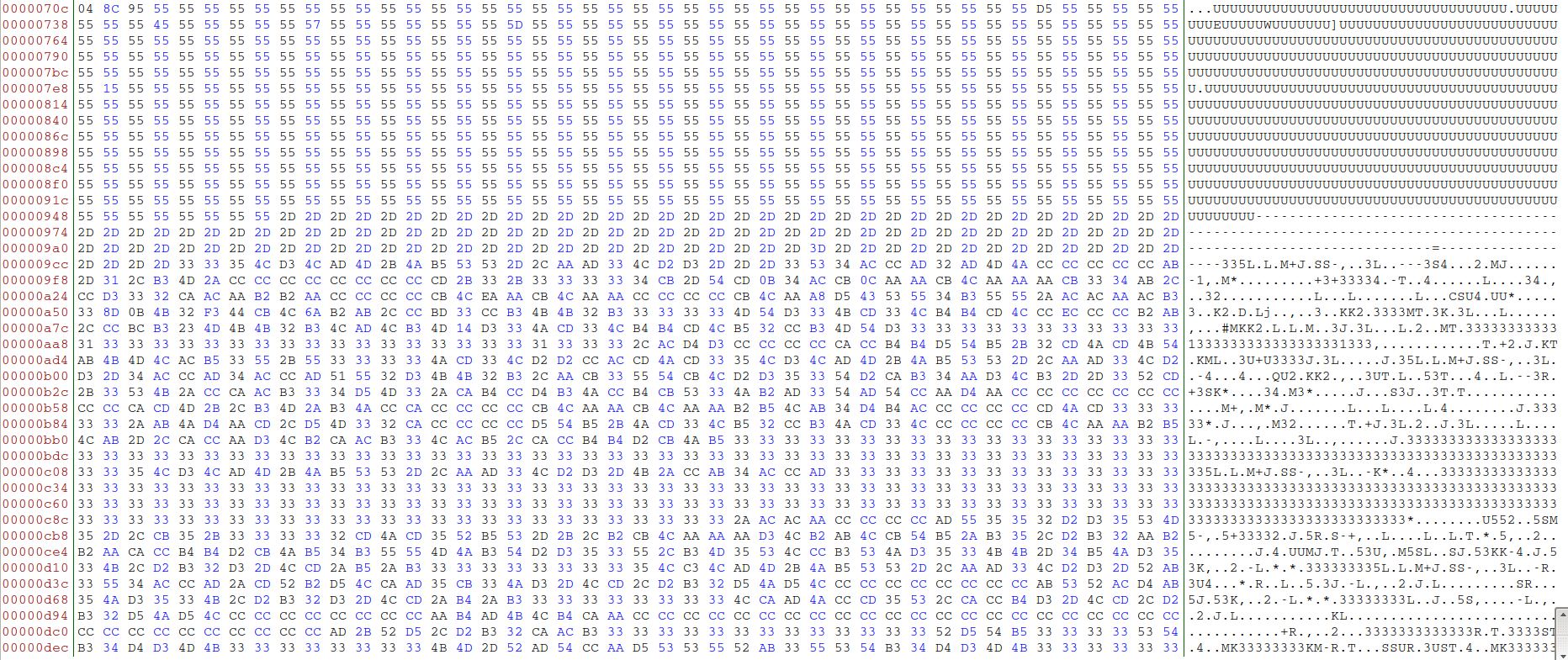
… absent any framing, we can still look at the raw HEX output which MAYBE suggests enough consecutive ‘55’ bytes to illustrate the preamble to whatever the actual frame structure is. (this is more for entertainment than any scientific reverse-engineering)…
And start direwolf in the following way to decode the replayed audio:
direwolf -t 0 -c direwolf.conf
Dire Wolf Release 1.8.1, November 2025
Includes optional support for:  gpsd hamlib cm108-ptt dns-sd

Reading config file obs/436/OBZP1/direwolf.conf
Line 4: Warning: Non-standard data rate of 1143 bits per second.  Are you sure?
Audio device for both receive and transmit: default  (channel 0)
Channel 0: 1143 baud, AFSK 1190 & 2320 Hz, A, 48000 sample rate, Tx AX.25.
        0.0: A 1162 & 2292
        0.1: A 1169 & 2299
        0.2: A 1176 & 2306
        0.3: A 1183 & 2313
        0.4: A 1190 & 2320
        0.5: A 1197 & 2327
        0.6: A 1204 & 2334
        0.7: A 1211 & 2341
        0.8: A 1218 & 2348

Note: PTT not configured for channel 0. (OK if using VOX.)
When using VOX, ensure that it adds very little delay (e.g. 10-20) milliseconds
between the time that transmit audio ends and PTT is deactivated.
For example, if using a SignaLink USB, turn the DLY control all the
way counter clockwise.

Using VOX built in to the radio is a VERY BAD idea.  This is intended
for voice operation, with gaps in the sound, and typically has a delay of about a
half second between the time the audio stops and the transmitter is turned off.
When using APRS your transmiter will be sending a quiet carrier for
about a half second after your packet ends.  This may interfere with the
the next station to transmit.  This is being inconsiderate.

If you are trying to use VOX with connected mode packet, expect
frustration and disappointment.  Connected mode involves rapid responses
which you will probably miss because your transmitter is still on when
the response is being transmitted.

Read the User Guide 'Transmit Timing' section for more details.

Ready to accept AGW client application 0 on port 8000 ...
Ready to accept KISS TCP client application 0 on port 8001 ...

OBZP1 audio level = 49(12/11)    __||||__|
[0.4] OBZP1>CQ:(I cc=00, n(s)=1, n(r)=0, p/f=0, pid=0x01)260325090231;06;B1=0BEF0100BA0FCF0F;B2=0BEF0100BA0FCF0F;T2=53;Au=7426;Ai=68;Bu=7426;Bi=55;Su=7425;Si=5;3u=7422;3i=0
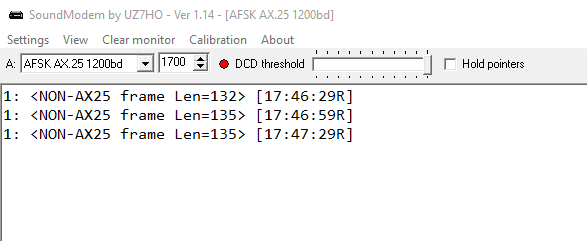
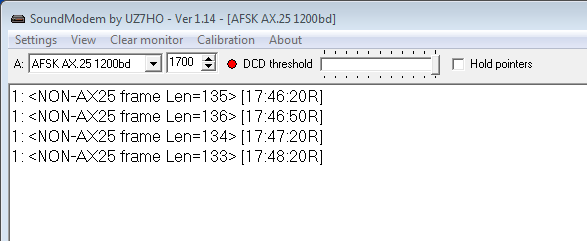
Does OBZP1 really transmits AFSK at 1143 bd? I’ve got successful decodes at 1200 bd on both frequencies since AFSK has been activated.
Screenshots of yesterday’s (Mar 25) decodes.
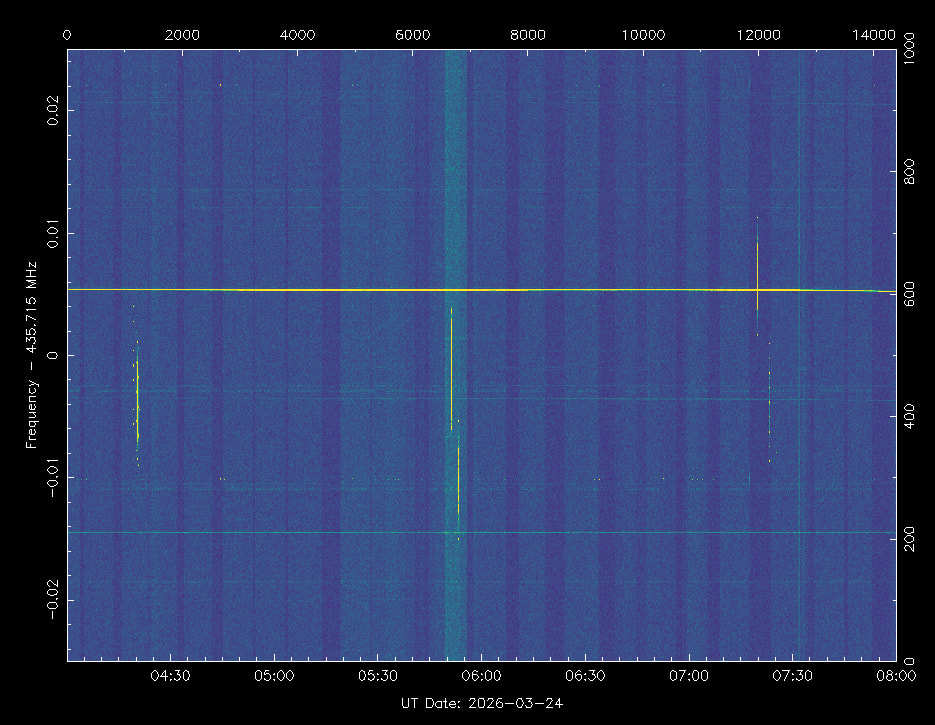
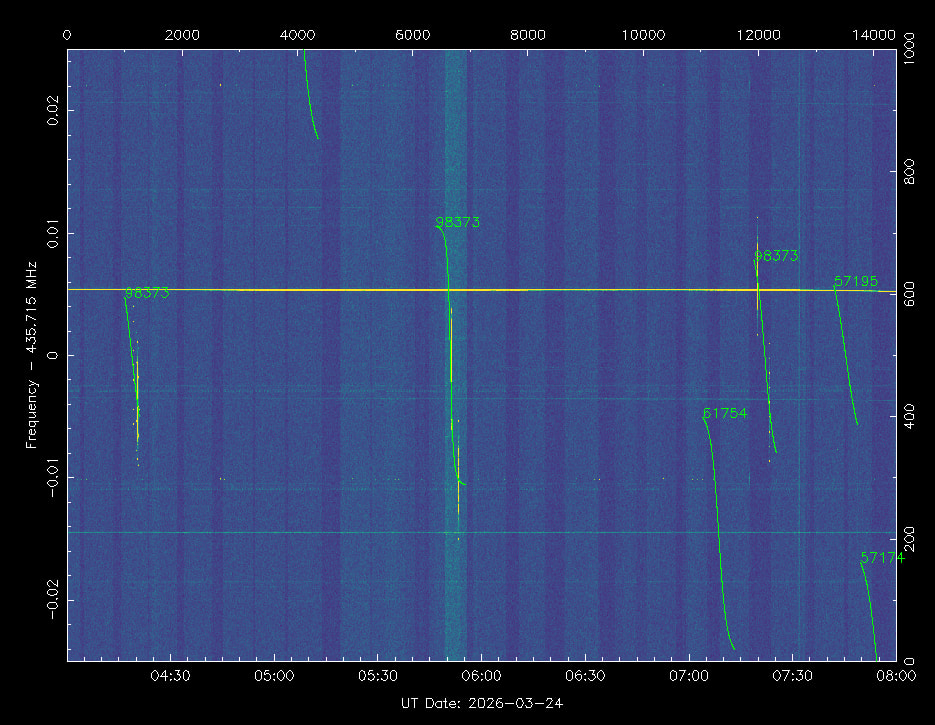
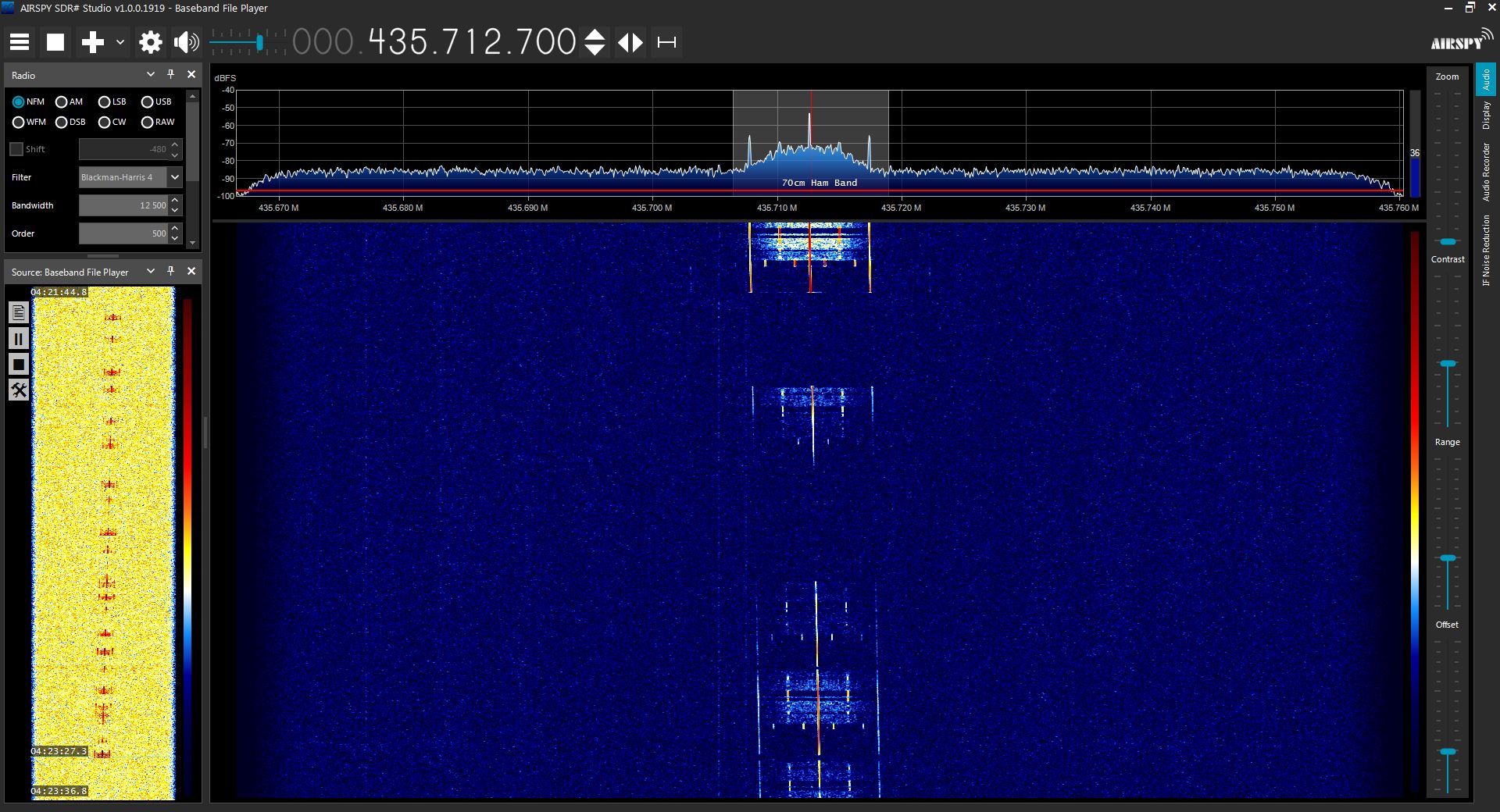
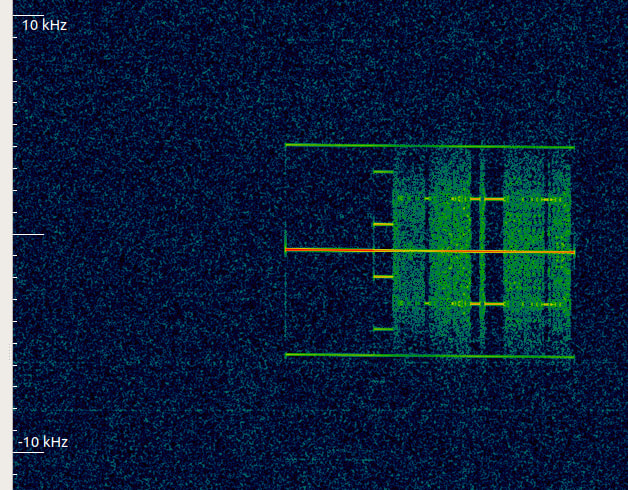
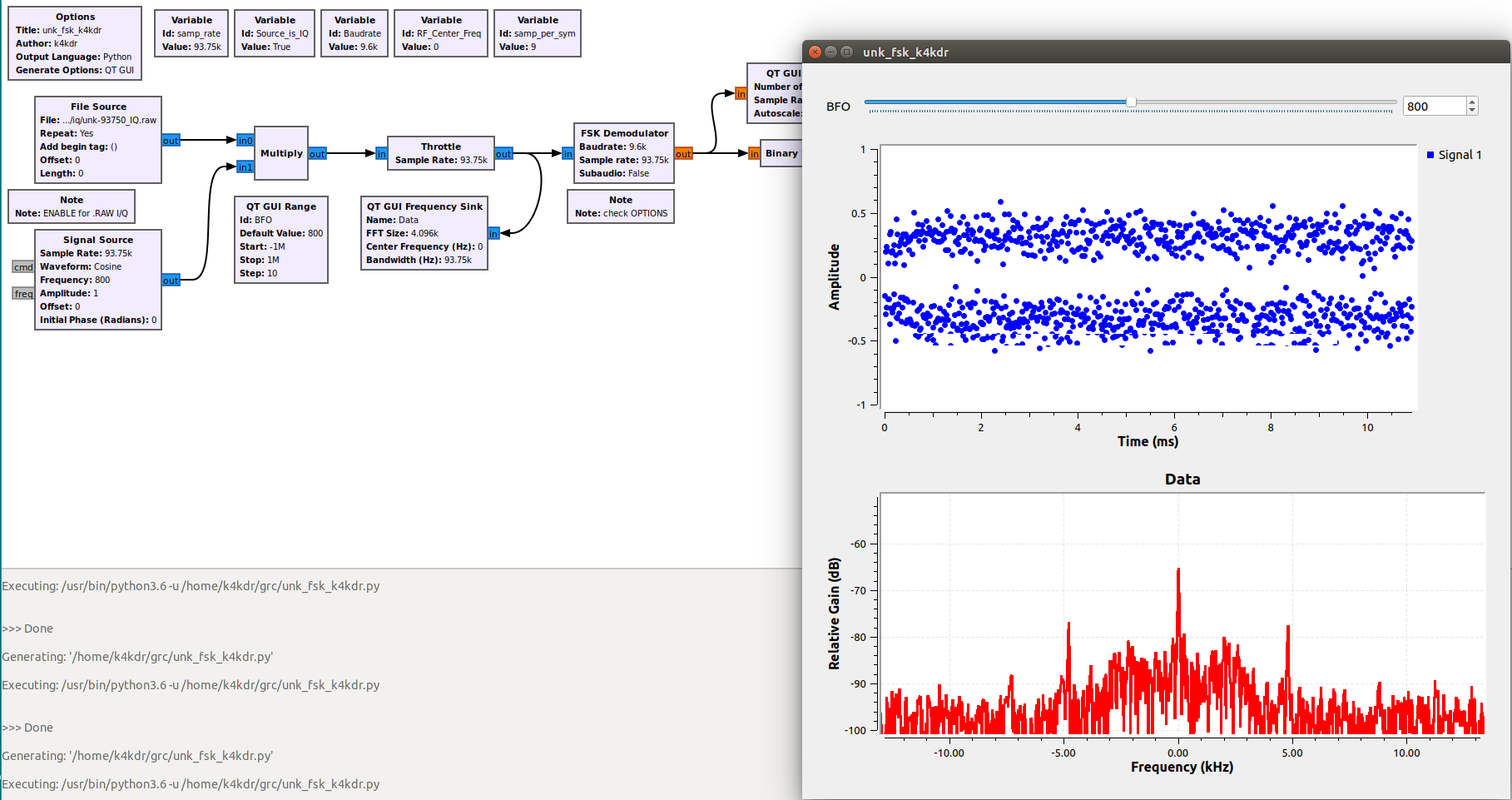
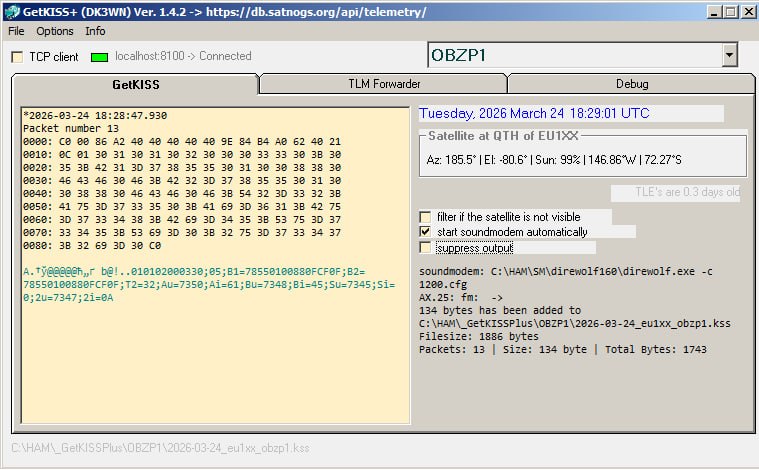
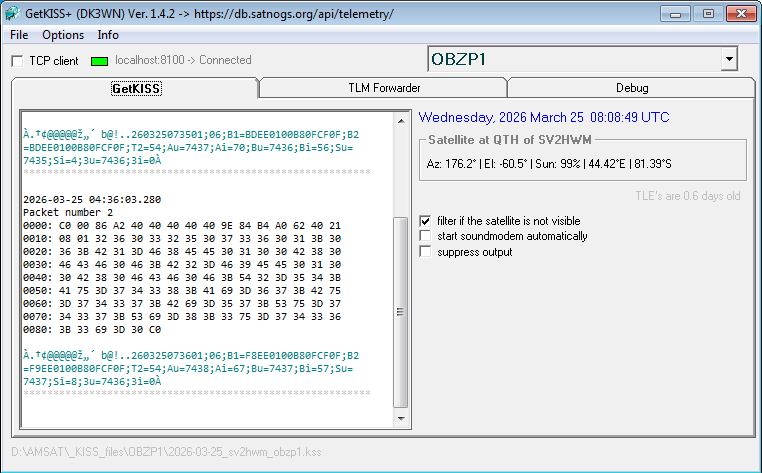
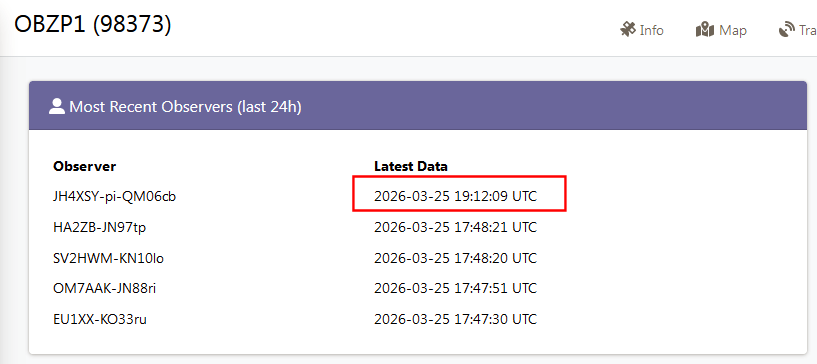
 I’ve got successful decodes at 1200 bd on both frequencies since AFSK has been activated.