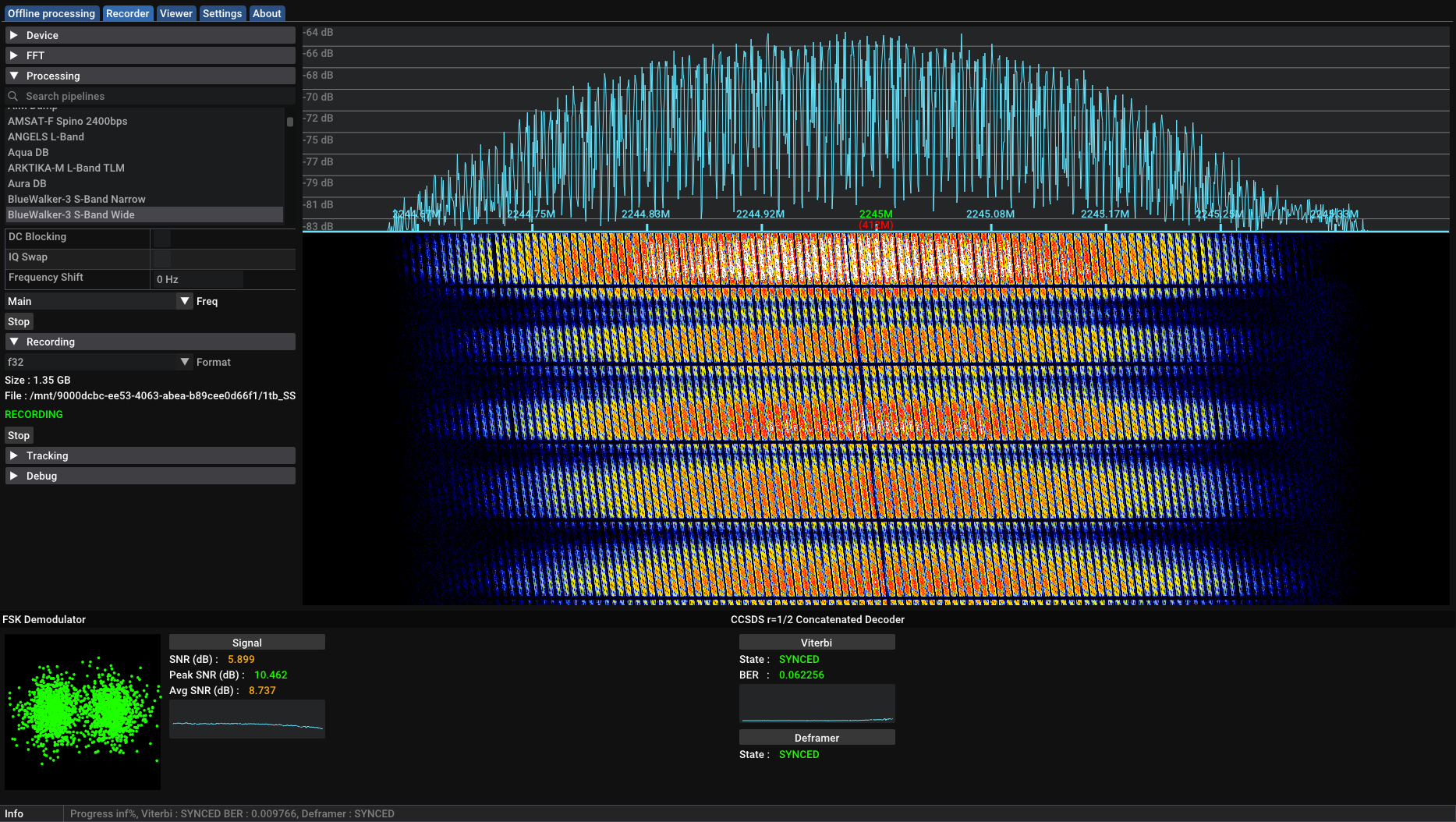
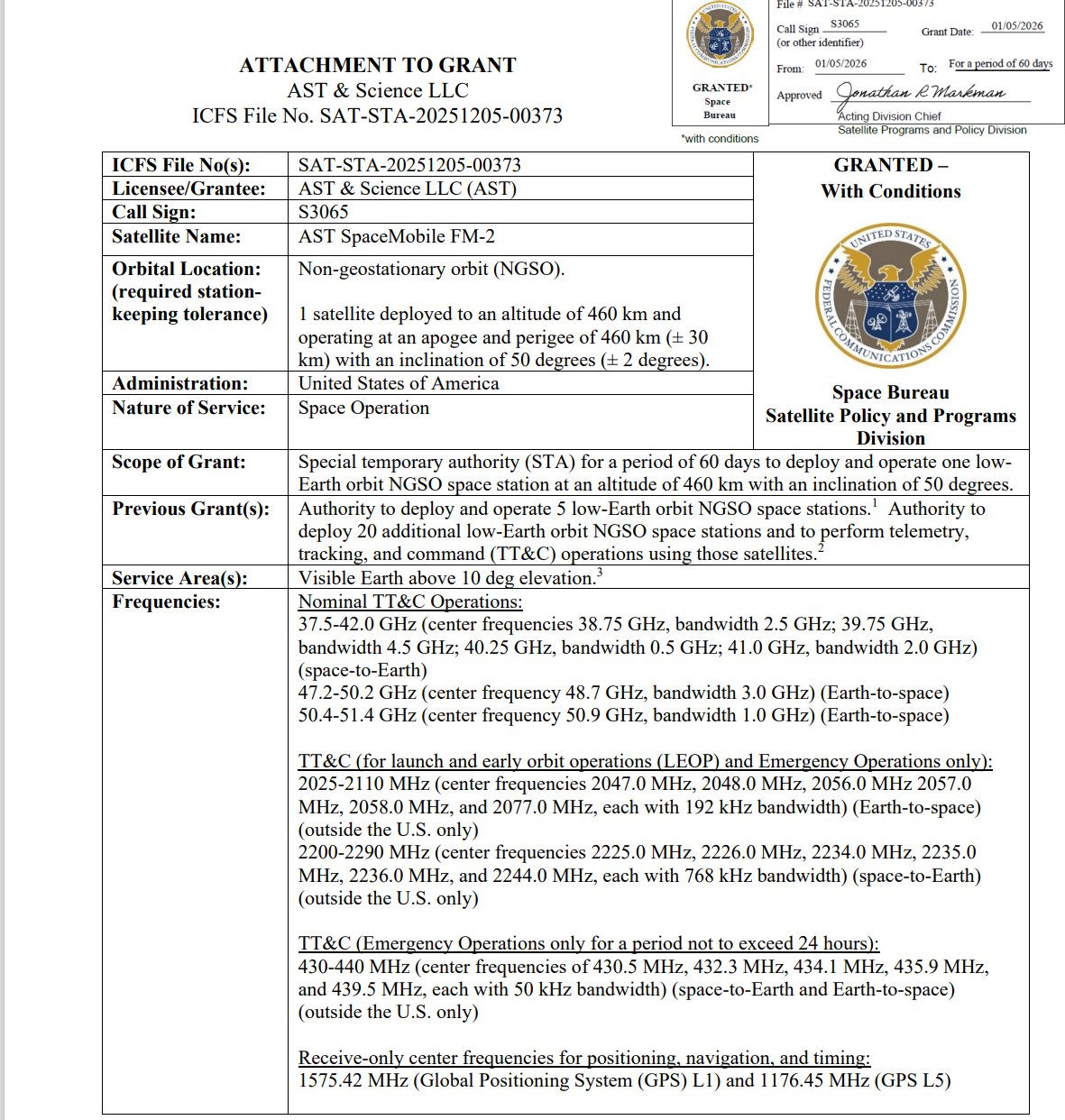
In reviewing captures here from all the AST sats, I was thinking that I had seen S-Band RX from the 1st 5 BlueBirds. However, as I look now, the only one that I captured personally was the original BlueWalker-3, which was on 2245.
However, I have notes from online searches where I had put down that 2225 & 2235 were approved for their use as well. But I don’t see that I ever captured anything on those 2 freqs… only 2245. (sub-section ‘a’ on page-13 of https://docs.fcc.gov/public/attachments/DA-24-756A1.pdf )
So, it’s my plan to scan all 3 freqs for BlueBird-6 and if nothing is found, then start searching the entire 22xx range.
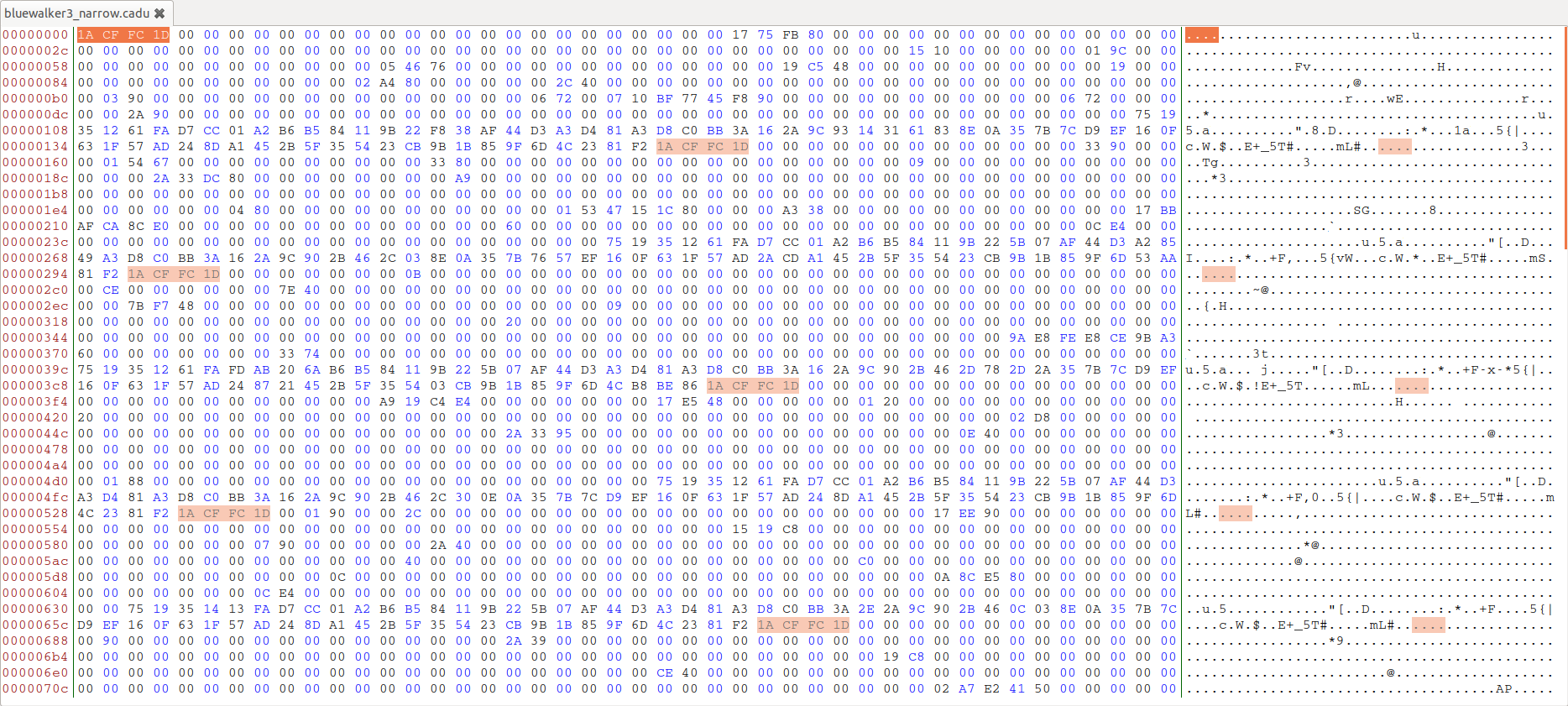
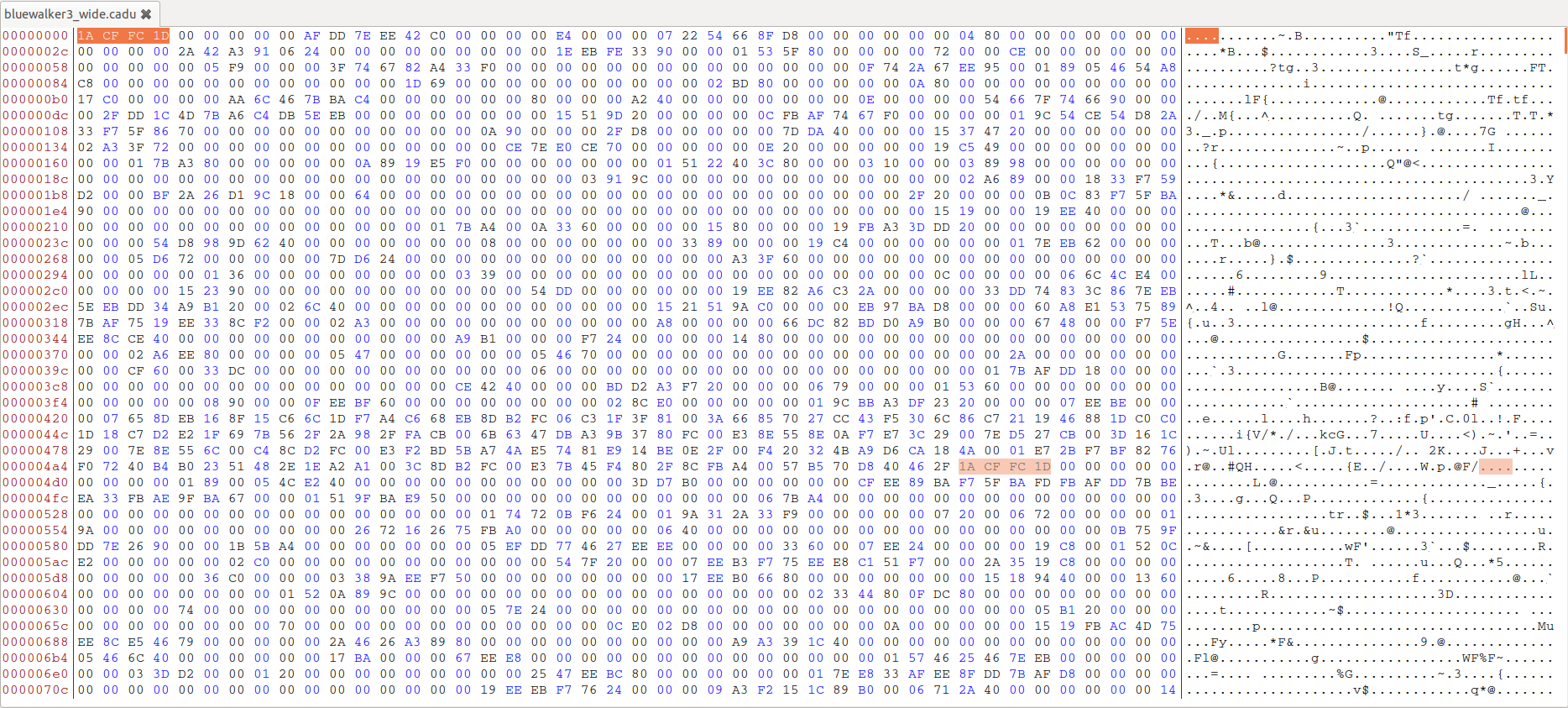
I don’t recall anyone ever posting any human-readable data; I assume it’s encrypted. BW-3 has wideband and narrow modes on S-Band; SatDump has decoders for both. I didn’t keep many examples of the output since it was random hex, but found one of each from dates in 2022:
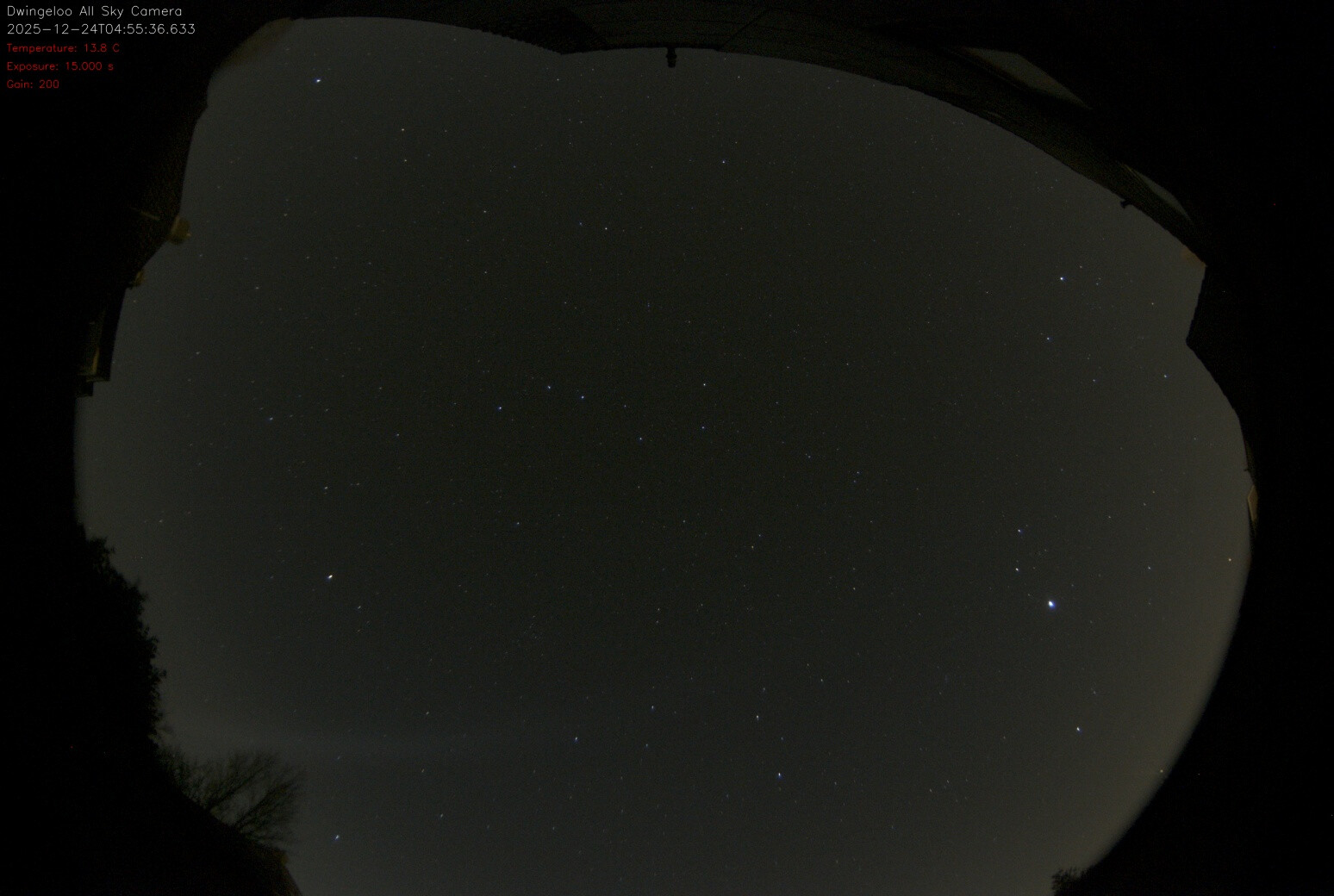
It looks like my all sky camera caught a fuel dump from the LVM3-M6 Bluebird launch. It’s the horizontal streak above the tree in the lower left. It matches the motion and time of the TLE on the forums.
This give us some more confidence on the TLE set we use for tracking the satellite.
From vetting the current completed observation in Network, no signals at 435 MHz, however there are 4 observations that have something which need some further analysis:
Reminder that the 435 MHz is the central frequency of the ITU and FCC entries 430-440 MHz range, so we are far from sure if this frequency will be used or any other in that range.
There are signals in some observations but it’s not Bluebird 06 but Tigrisat.
I’ve added as unconfirmed the frequencies of the previous launched satellites, thanks @K4KDR for gathering all of them, and I’m going to schedule on all of them, just in case any of these used.
according to AST SpaceMobile in a note to the FCC regarding FM1, BlueBird-6:
(1) on December 23, the satellite was launched successfully into non-geostationary orbit and commenced telemetry, tracking, and command transmissions at an orbital altitude of 514-530 km and inclination of 53 (1°), as authorized; and
(2) on December 30, the satellite completed launch and early orbit phase operations.