All about RIDU-SAT1

i put here, all i know about this 1U cubesat. if you want add other information, i’m really happy and appreciate this..

there is paper about this sat on ieee, but i dont have account so i cannot download. maybe somebody here can help
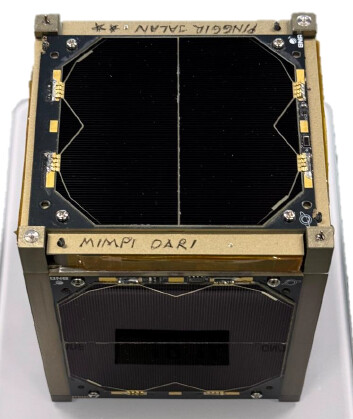
mimpi dari pinggir jalan = “Dreams from the roadside.”

i’m finish vetting mostly the obs of this sat. check here

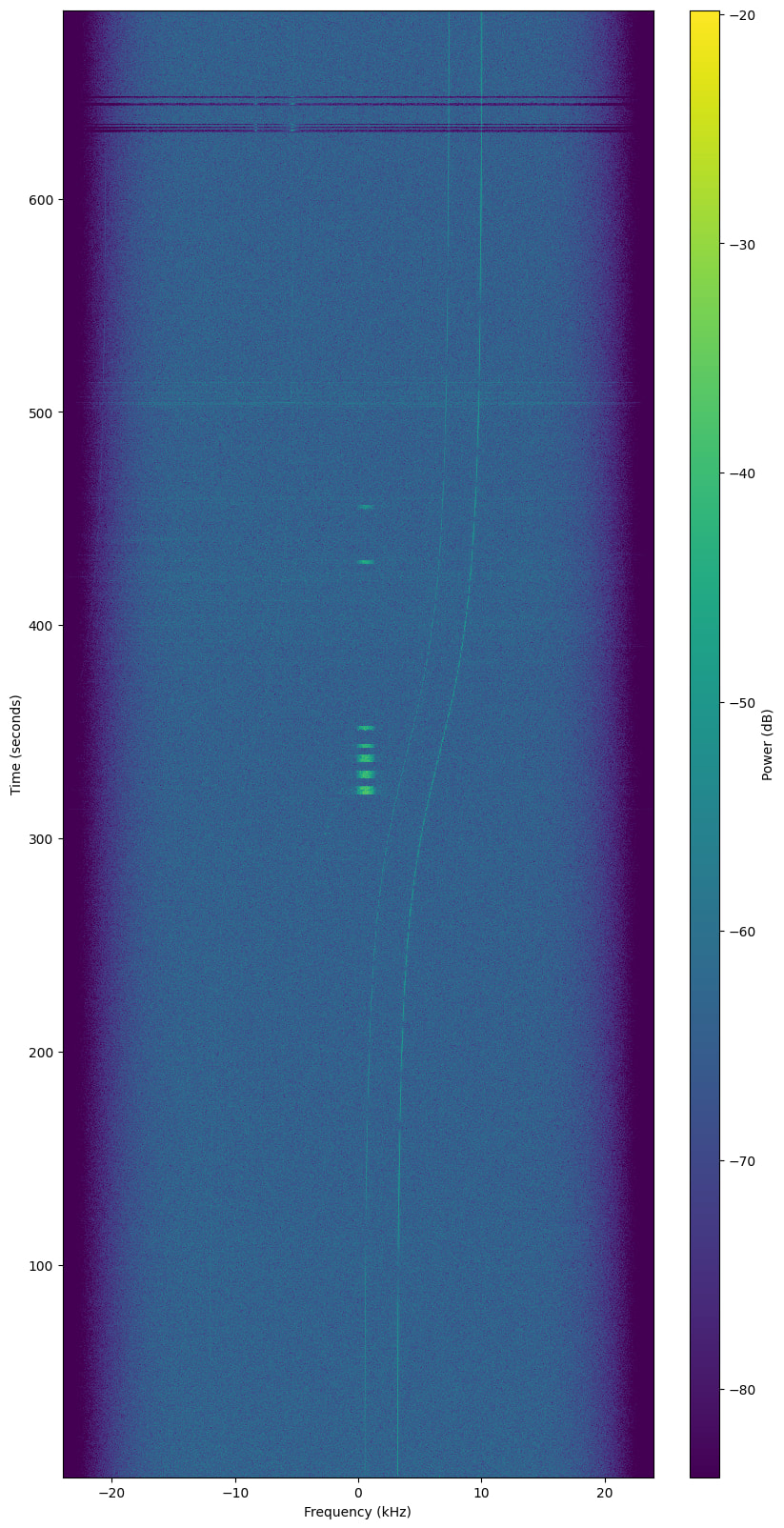
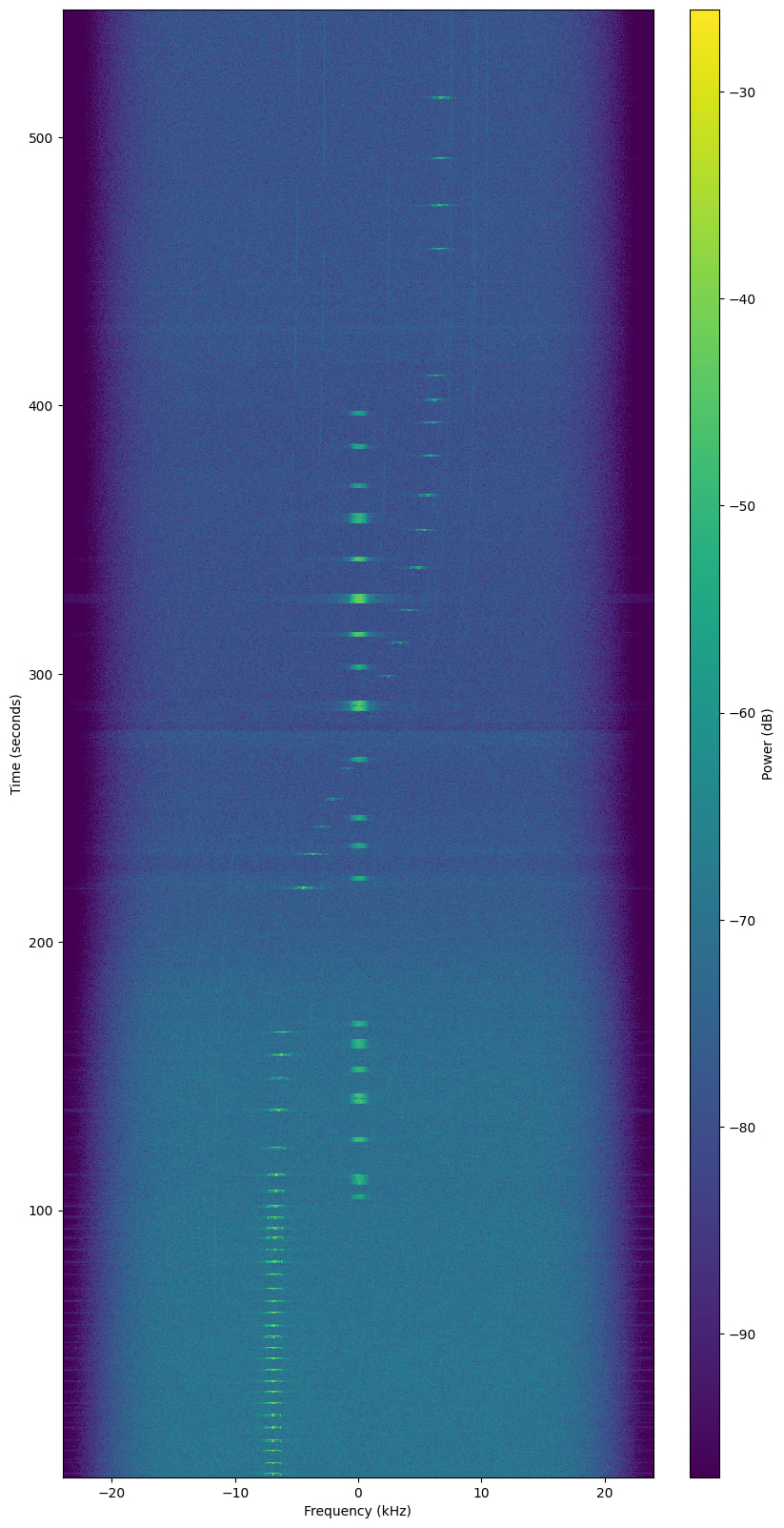
the APRS rx signal (freq 145.8250 MHz, same as ISS), should be like obs #12188312 :
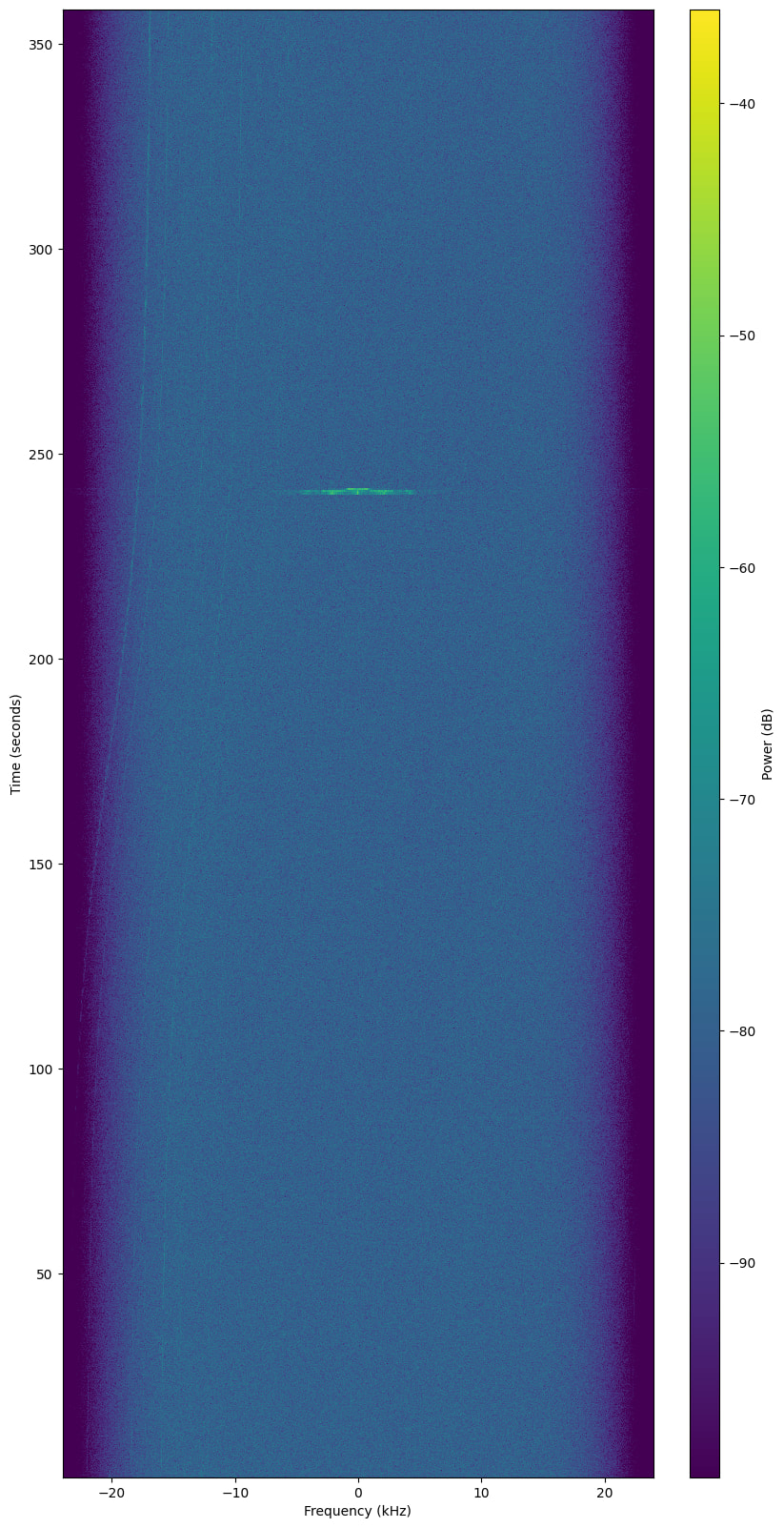
i can decode it using gr_satellites:
RIDU-SAT1-APRS-OK.yml.txt (285 Bytes)

name: RIDU-SAT1
alternative_names:
  - YH1SUP
norad: 64531
data:
  &tlm Telemetry:
    telemetry: ax25
transmitters:
  1k2 AFSK downlink:
    frequency:  145.825e+6
    modulation: AFSK
    baudrate: 1200
    af_carrier: 1720
    framing: AX.25
    deviation: 400
    data:
    - *tlm

or using soundmodem by UZ7HO ver 1.14 (AFSK AX.25 1200bd)

sample wav from obs 12188312:
RIDU-SAT1-APRS-OK-12188312.wav.zip (164.6 KB)

result:
gr_satellites RIDU-SAT1-APRS.yml --wavfile /tmp/aprs2.ogg

-> Packet from 1k2 AFSK downlink
Container: 
    header = Container: 
        addresses = ListContainer: 
            Container: 
                callsign = u'APX1S' (total 5)
                ssid = Container: 
                    ch = False
                    ssid = 0
                    extension = False
            Container: 
                callsign = u'YH1SUP' (total 6)
                ssid = Container: 
                    ch = True
                    ssid = 1
                    extension = False
            Container: 
                callsign = u'WIDE1' (total 5)
                ssid = Container: 
                    ch = False
                    ssid = 1
                    extension = True
        control = 0x03
        pid = 0xF0
    info = b'>R05.1VT0.0C-1.3 This is RIDU-Sat 1 from Indonesia' (total 50)

decode by direwolf :
direwolf -c ridusat.conf -dp

ridusat.conf.txt (109 Bytes)

YH1SUP-1 audio level = 87(14/14)   [NONE]   ||||||___
[0.2] YH1SUP-1>APX1S,WIDE1-1:>R05.1VT0.0C-1.0 This is RIDU-Sat 1 from Indonesia
------
U frame UI: p/f=0, No layer 3 protocol implemented., length = 73
 dest    APX1S   0 c/r=0 res=3 last=0
 source  YH1SUP  1 c/r=1 res=3 last=0
 digi 1  WIDE1   1   h=0 res=3 last=1
  000:  82 a0 b0 62 a6 40 60 b2 90 62 a6 aa a0 e2 ae 92  ...b.@`..b......
  010:  88 8a 62 40 63 03 f0 3e 52 30 35 2e 31 56 54 30  ..b@c..>R05.1VT0
  020:  2e 30 43 2d 31 2e 30 20 54 68 69 73 20 69 73 20  .0C-1.0 This is 
  030:  52 49 44 55 2d 53 61 74 20 31 20 66 72 6f 6d 20  RIDU-Sat 1 from 
  040:  49 6e 64 6f 6e 65 73 69 61                       Indonesia
------
Status Report, Open Source Xastir
R05.1VT0.0C-1.0 This is RIDU-Sat 1 from Indonesia

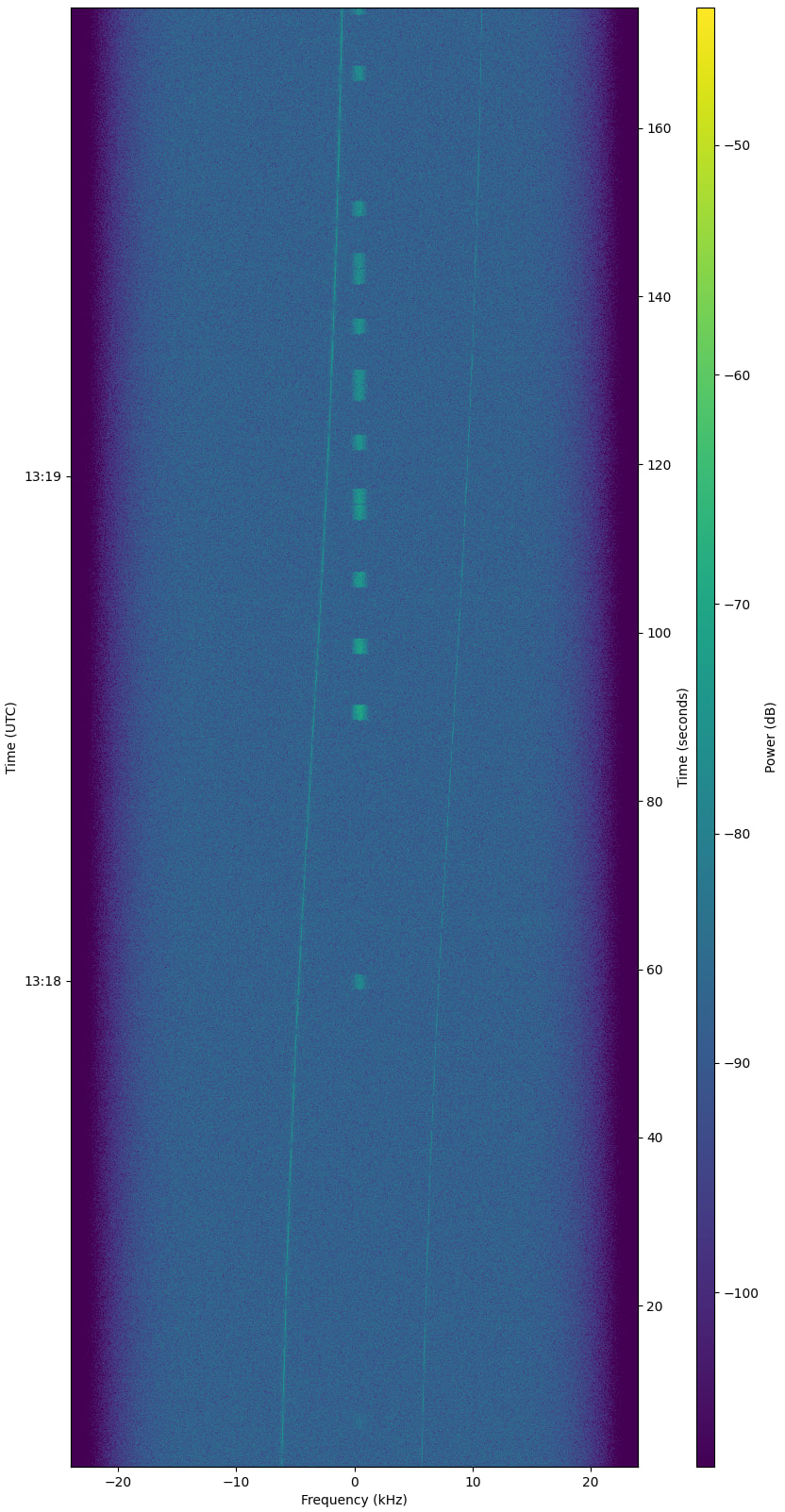
the GMSK rx signal, should like these:
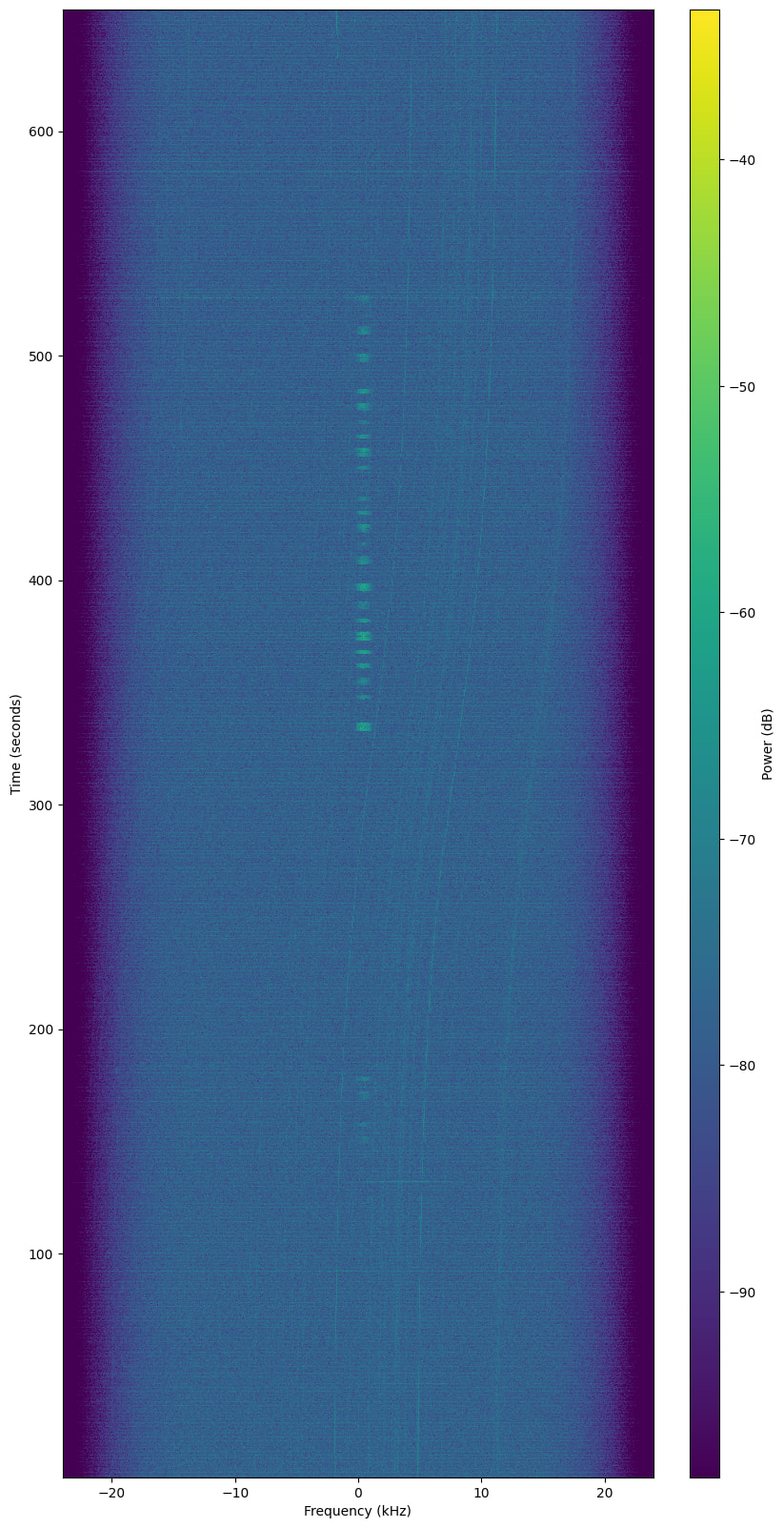
but im not yet can decode these gmsk signal.

what we know
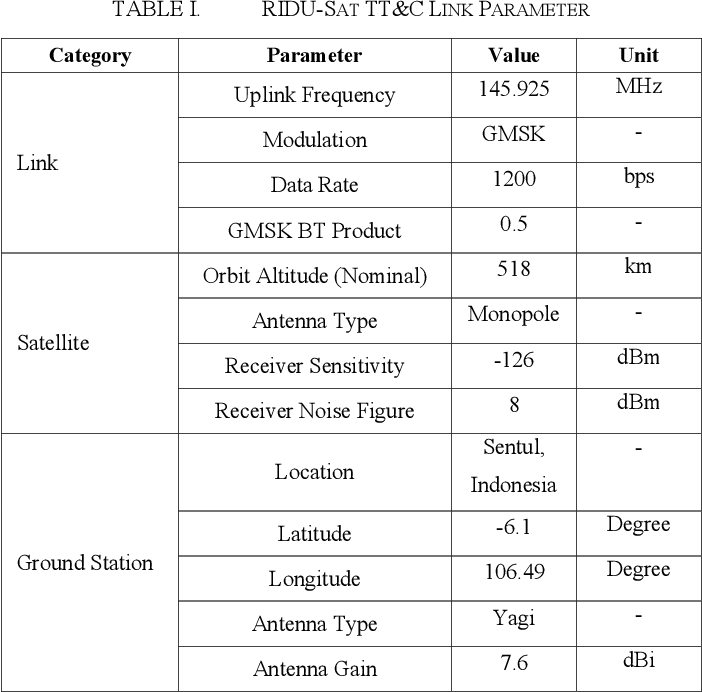
im trying using these but not work :

name: RIDU-SAT1
alternative_names:
  - YH1SUP
norad: 64531
data:
  &tlm Telemetry:
    telemetry: ax25
transmitters:
  1k2 GMSK downlink:
    frequency: 145.92500e+6
    modulation: FSK
    baudrate: 1200
    framing: AX.25 G3RUH
    data:
    - *tlm

if i have more information , i will update in these threads

73!

1 Like

i’m very happy, if @tammojan , @stefanp and other highgain station maybe can set observation (GMSK & AFSK) for these satellite. but im not sure is PI9RD support VHF

Dwingeloo has a VHF antenna, but it needs to be mounted in focus. Also I’m not sure where the LNA is, we haven’t used this in a while. Pinging @cgbsat since he’s also working with VHF sometimes.

2 Likes

Hi, I’ve activated the VHF-antenna for station OE6ISP_High_Gain_LimeSDR, but “only” 10dBi on this band. We’ll see…
If it’s helpful for you, I can make I/Q recordings.

3 Likes

Can you share an IQ recording?

Jan | PE0SAT

nah. thats the problem. i dont have. and the good signal come from old satno observations some months ago..

1 Like

Headline Details: A 1U CubeSat. This satellite will be used for educational purposes in amateur satellite communications. Our satellite is using amateur radio frequency for educational purposes in amateur satellite communications. Proposing a VHF APRS payload. Planning a SpaceX Transporter 14 launch from Vandenburg NET June 2025 into a 525 x 510 km SSO. The frequency of 145.825 MHz for APRS and 145.925 MHz for telemetry have been coordinated

iaru

maybe gnu-radio master @K4KDR interest to decode the gmsk

master decoder @dl7ndr , and master of soundmodem @EU1SAT :smiley:

R05.1VT0.0C-1.3

R, maybe battery?
T, maybe temperature?

As UZ7HO and direwolf are failing completely, there must be something unusual, like inverted FSK or unusual synch pattern. The only way to find out IMO is to analyze the signal with gr step by step, starting with the demodulated bitstream - takes some time of course

1 Like

update

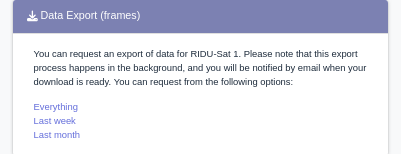
i download everything of ridu-sat from db.satnogs.org

and decode the hex as aprs ax25 data, all decoded are from ISS, SONATE-2, and terestrial. nothing decode from ridu ( YH1SUP )

result-ridusat1-aprs-dump.csv.txt (82.2 KB)

so satno decoder failed decode the aprs.

all AFSK observation (freq 145.825 MHz) only can decoded manualy using soundmodem or gr_satellites

1 Like

And only the signals on 145.825, we need more information on the framing used at 145.925.
Looking at the IARU page we know nothing about the modulation nor framing.

Jan | PE0SAT

1 Like

Appreciate all the work that’s been done!

I read through twice, but am not clear… has there been any report or recording of the 145.925 telemetry signal at all?

Thanks!

Well, this is what you get for asking a question before checking yourself. I see that there are some 145.925 SatNogs observations, so I’ll take a look at those.

Such as: https://network.satnogs.org/observations/12178025/

(… but of course, an I/Q file would be more useful, but I’ll start w/ the SatNogs audio)

1 Like

** NOTE **
This post is not correct - please skip down to #19

Please don’t take any of the following as “certain”. I’m always cautious with decodes that don’t include AX.25 addresses or ASCII characters.

There was a particularly strong capture from:

https://network.satnogs.org/observations/14442837/

… that gave every appearance of being 1200 baud when attempting to decode, but no existing framing produced any output.

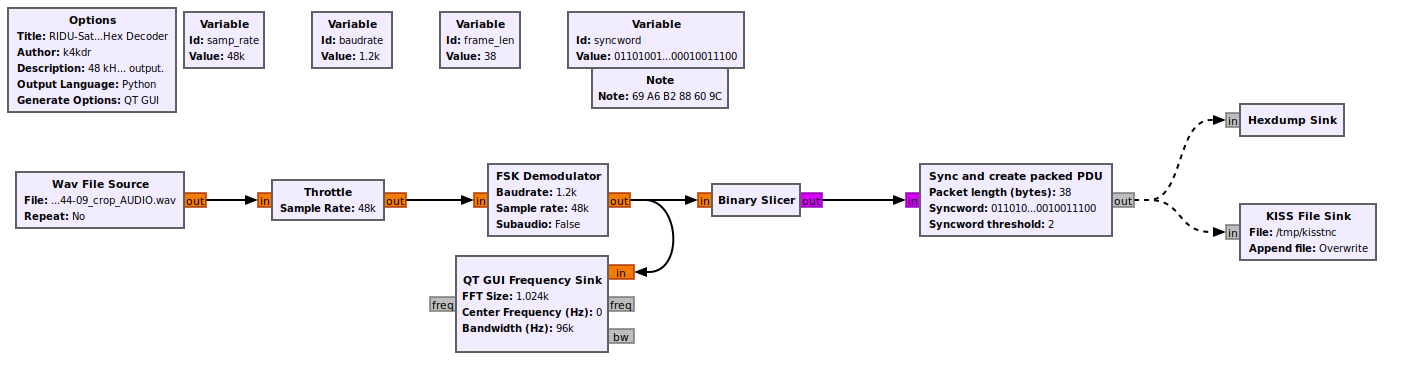
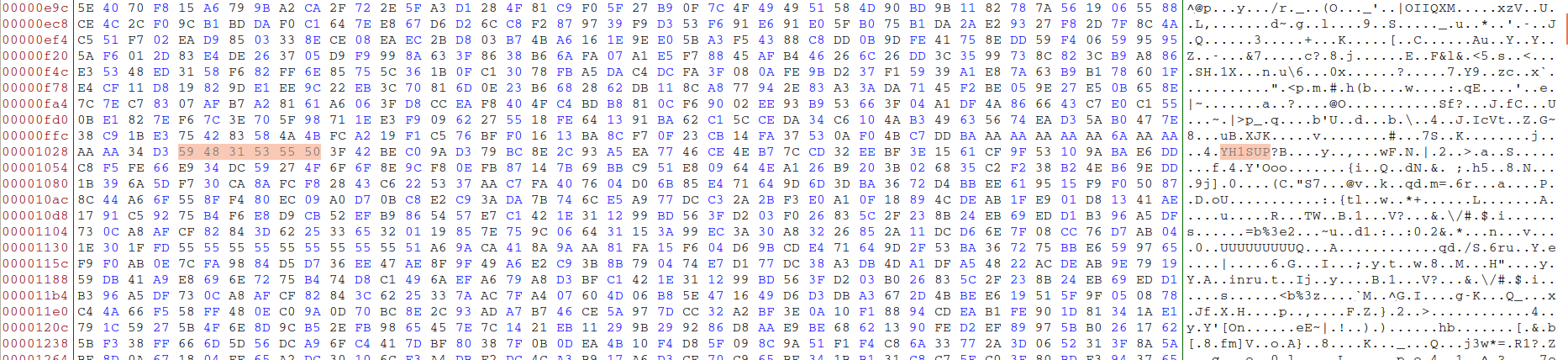
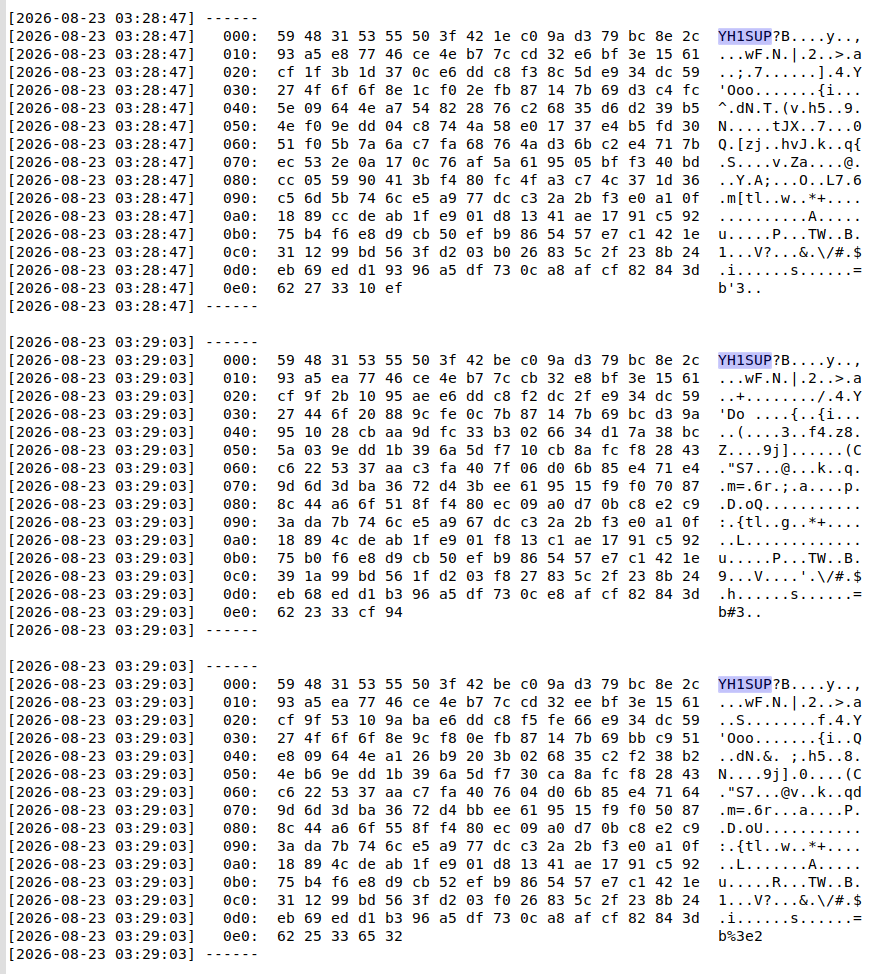
I had ChatGPT search the raw output stream for anything that repeated that might be a syncword. That was successful, but again, is certainly not definitive.

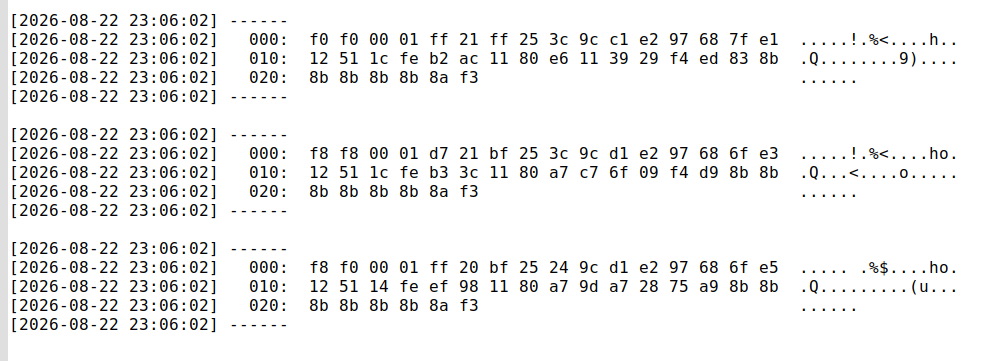
The resulting frames look like:

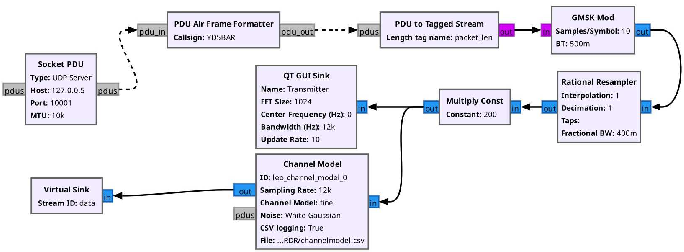
… which are derived from your basic GNU Radio flowgraph:

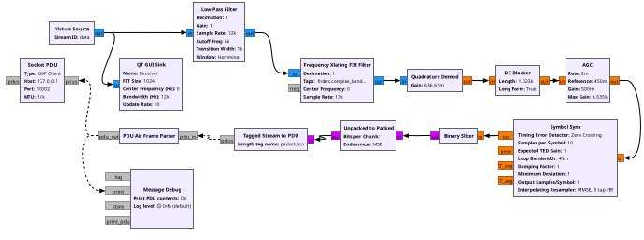
Please, don’t consider this the final word - my hope is that perhaps someone can build on this or recognize something in the output bytes.

The portion of that SatNogs audio that I used for testing is available at:

https://www.dropbox.com/scl/fi/mwcfuy7pijzbwmr8m69sq/satnogs_14442837_2026-07-06T05-44-09_crop_AUDIO.wav?rlkey=5zjhm4f0enja6ea4tsdg8m714&dl=0

… and the GNU Radio file is at:

https://www.dropbox.com/scl/fi/ooodp1vbt6pzzs1guin7q/ridusat1_1200_fsk_final_hex_decoder_gr38-k4kdr.grc?rlkey=sndbhkq19tiia361wzsmv7kxq&dl=0

1 Like

awesome. thats progress. thank you!

i think this signal come from gs trying contact the satellite.

i try your grc for audio from satellite that taken from network obs, but not decode. maybe different syncword

i put the audio here

1 Like

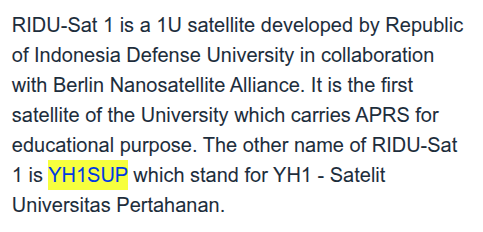
Well, one thing is for sure… your recordings (at least the first one I tried - #4) are from RUDU-Sat-1. Here’s the call sign listed in the SatNogs description (appears numerous times in the raw byte stream):

1 Like

wow … huray!

Sorry - not a call sign, an abbreviation:

2 Likes

Don’t know that I am completely finished yet - doing some more checking before sharing another candidate GRC decoder. But if nothing else, the resulting frames “look” better! But let’s not call them correct with any certainty yet…

2 Likes

Ok, let’s try again…

My earlier attempt was because I have a preference for seeing nice clean ASCII in payloads. But of course that often is not the case.

I didn’t like the resulting 229-byte payloads that matched no known framing, so it took a while but I forced ChatGPT to leave out those nice -6- YH1SUP bytes and evaluate if we didn’t perhaps in-fact have valid payloads using a known framing.

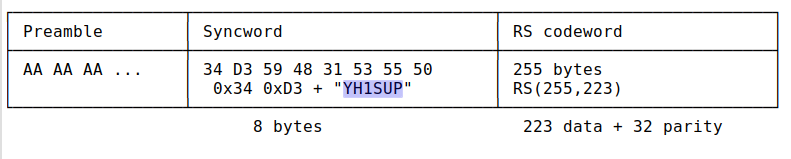
We do. The very reliable RS(255,223).

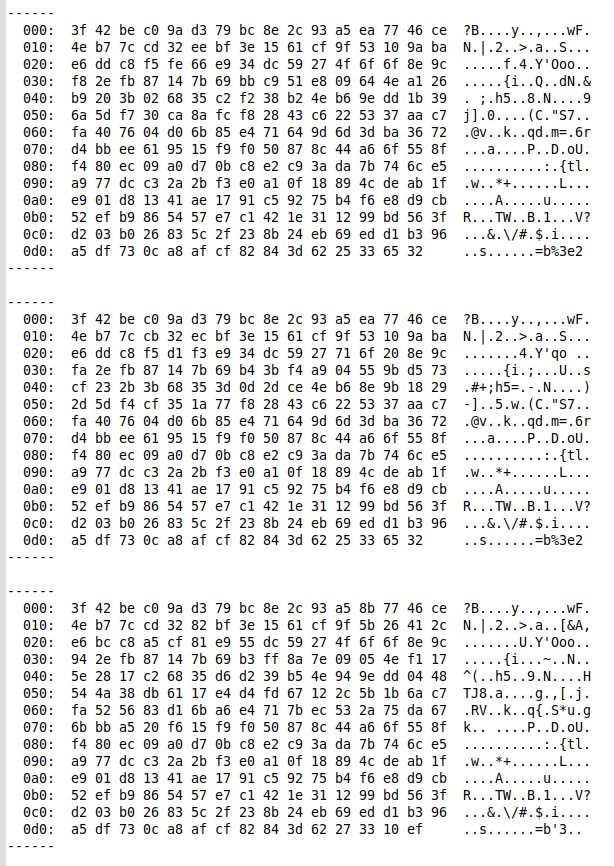
When parsed out correctly, many of Bali’s packets were perfectly valid 223-byte payloads w/ 32-byte valid parity words.

So, while there could absolutely still be errors in this logic, for the moment we appear to have a structure like this:

… which results in frames such as:

… that are derived from a GNU Radio / gr-satellites flowgraph like this:

If that’s not 100% correct, then I have no doubt that the great folks here can share some corrections with us.

The audio file (from Bali) used for testing is available at:

https://www.dropbox.com/scl/fi/xlz76a0j5my9yiloqx2vy/ridusat4_AUDIO.wav?rlkey=y57ld59o99tzcbary8ilwyi14&dl=0

… and this latest GRC file is at:

https://www.dropbox.com/scl/fi/9j6zvpj3teait0gl13v2l/ridusat1_1200_fsk_rs255223_hex_decoder_gr38.grc?rlkey=5uvmyjf2fnlclveouovo643t3&dl=0

2 Likes

Sounds interesting.

I was looking for fragments according to AX.25 since @imanuel (IARU) told me:

“Regarding the telemetry, we use GMSK AX.25 protocol with 1200 Bd.”

Perhaps we are currently looking at TT&C and not telemetry.

1 Like