Regarding Observation 14995579 …
You didn’t finish the question about the observation but I think you’re a bit new .
There’s no signal in the waterfall. The rtl device appears to be ok, and the gain set on 30 would also be a good start.
What’s the antenna setup ?
Ben
1 Like
yagi (VHF UHF)
Usually a yagi comes with cable, what type, what length, where is the antenna, indoor, outdoor, what’s the oriëntation of the antenna, horizontal, vertical, what direction is it pointing, like North, South , or pointing up to the sky.
Keep in mind the more info you give the more replies you could get.
1 Like
frequence: 435-438MHZ
type: yagi uda avec une gain de 14 db
Longueur: 2m
installer à l’exterieur,
orientation: horizontal, pointe vers le nord
Now first try to schedule ISS on UHF, repeater activity. You can easily compare your results with results from other stations on that same time.
One little question, is SMA connector / cable involved between antenna and SDR and did you check for Reverse Polarity connectors on either side ? That fooled me once. Using RP cable for Wifi with reversed polarity, no center pin in the SMA male connector.
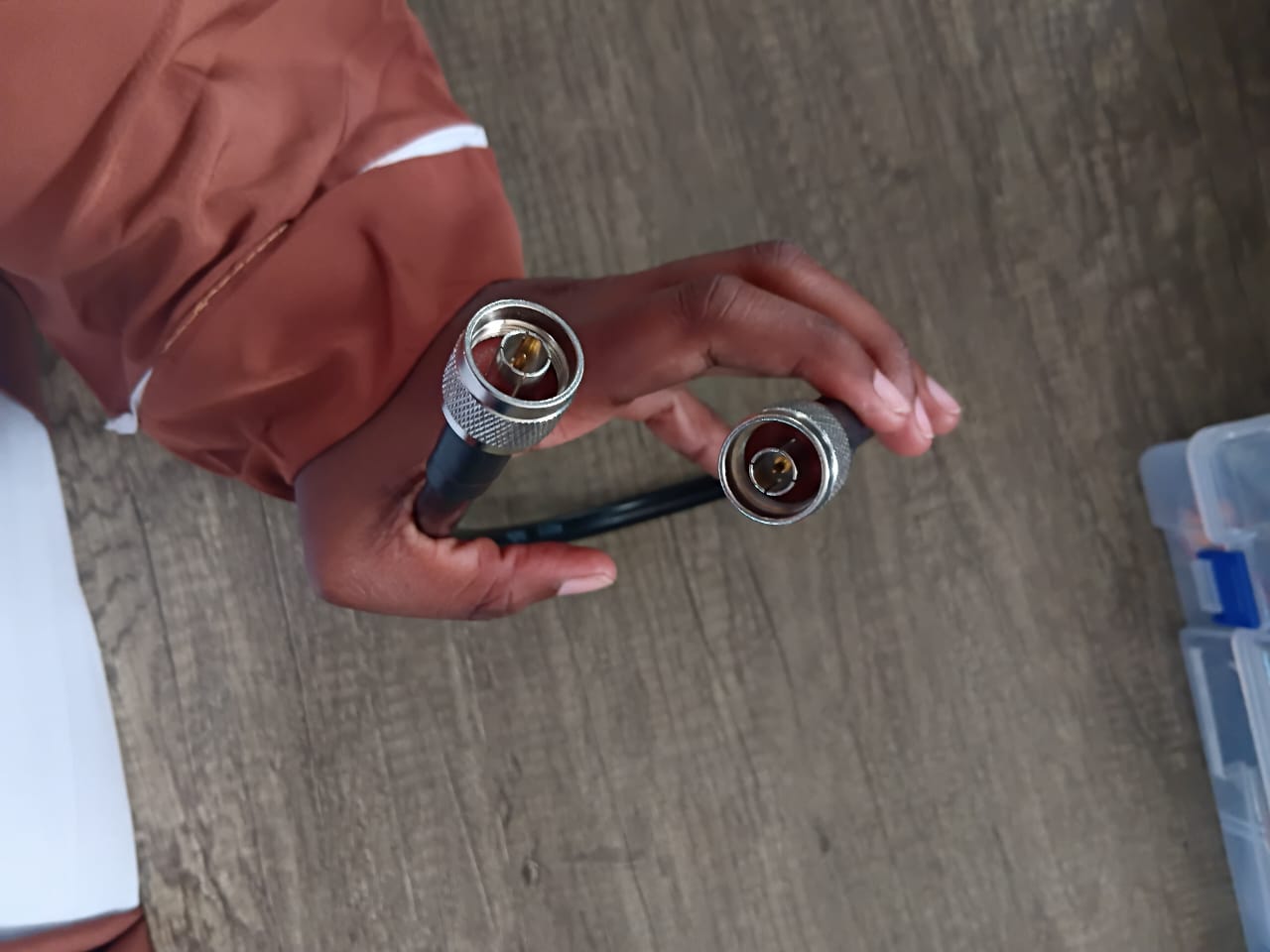
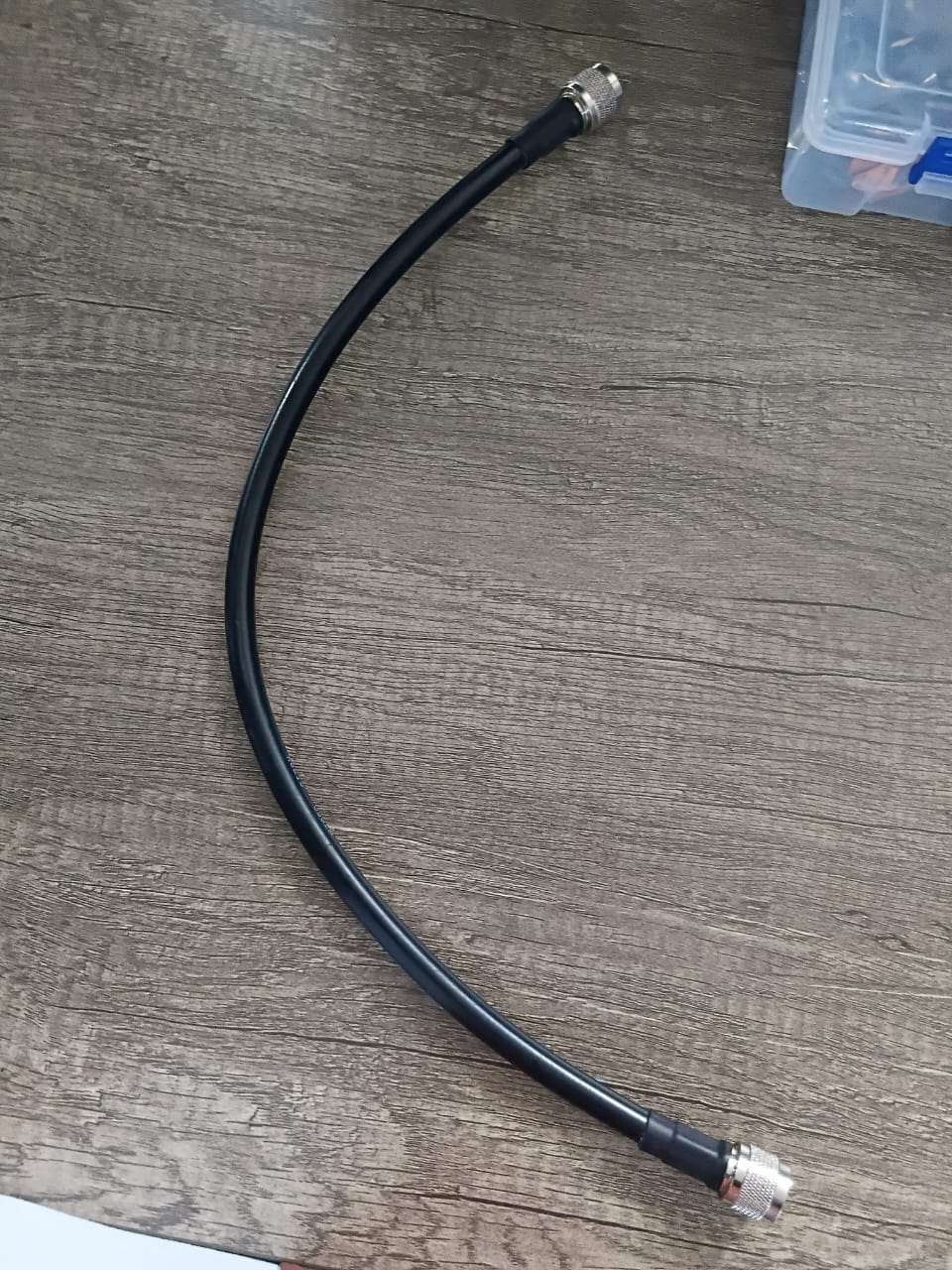
Now I notice:
Yagi Uda , I don’t know that model, is it a closed dipole ? Because, you have Bias-T enabled in the settings if I read the metadata from your observation correctly. If the UDA yagi has a closed dipole that gives a short on the DC which is enabled with the Bias-T. So, if no preamp is involved, I would disable bias-t.
Other question, metadata shows rtl-sdr, I haven’t seen any rtl-sdr with N-type female. Your N cable looks robust, but somehow you use and adapter to connect that connector to the SMA connector. Is that the right type ?
Other question, guessing you speak French, can you run your replies throug a translator to show over here in English ?
Thanks,
Ben
1 Like
Here is an example of a Yagi-Uda antenna.
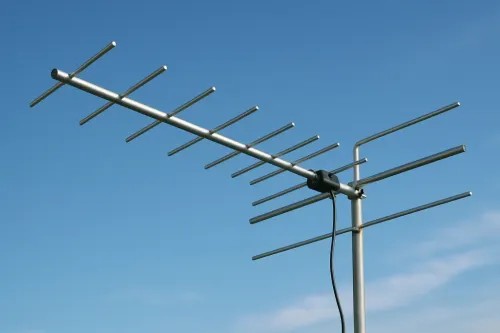
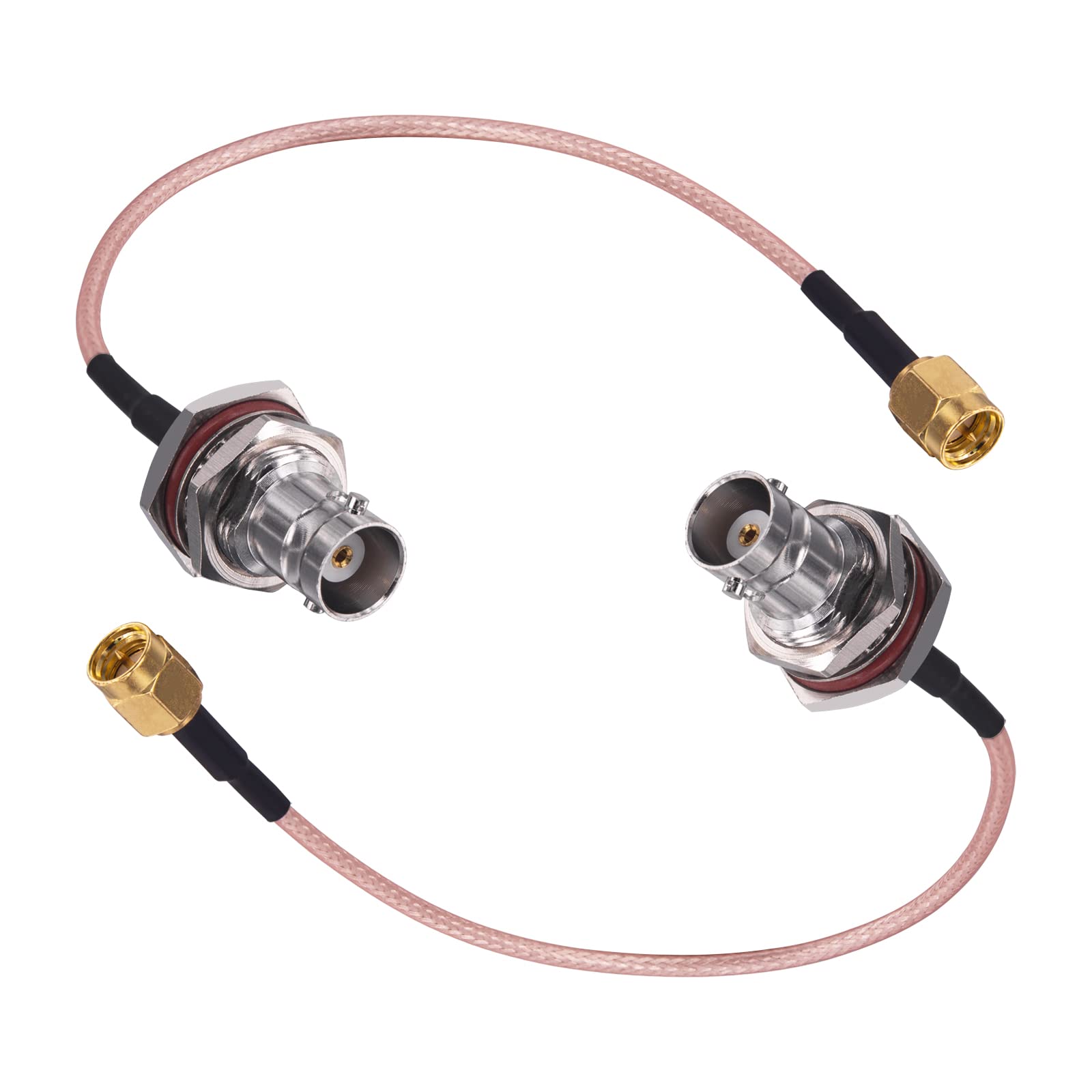
Based on my research, this is not a folded dipole antenna. In fact, in my setup, there is an antenna connected to an LNA, which is then connected to the SDR. This cable is used between the antenna and the LNA, and between the LNA and the SDR, we use an SMA connection.https://m.media-amazon.com/images/I/6124NQT6MaL.jpg
Thanks.
Next time tell the setup, LNA, which make / model, antenna. cable, as part of your question.
Almost impossible to debug, are you familair with SDR software and can you attach the antenna without preamp to the SDR and check for local radio stations / repeaters in the 70 cm band. Those are usually transmitting vertical, but you should be able to pick up something.
You could with the antenne directly connected to the sdr, even try if you pickup FM broadcast stations.
Did you try the ISS with the same setup allready ?
Here is my setup:
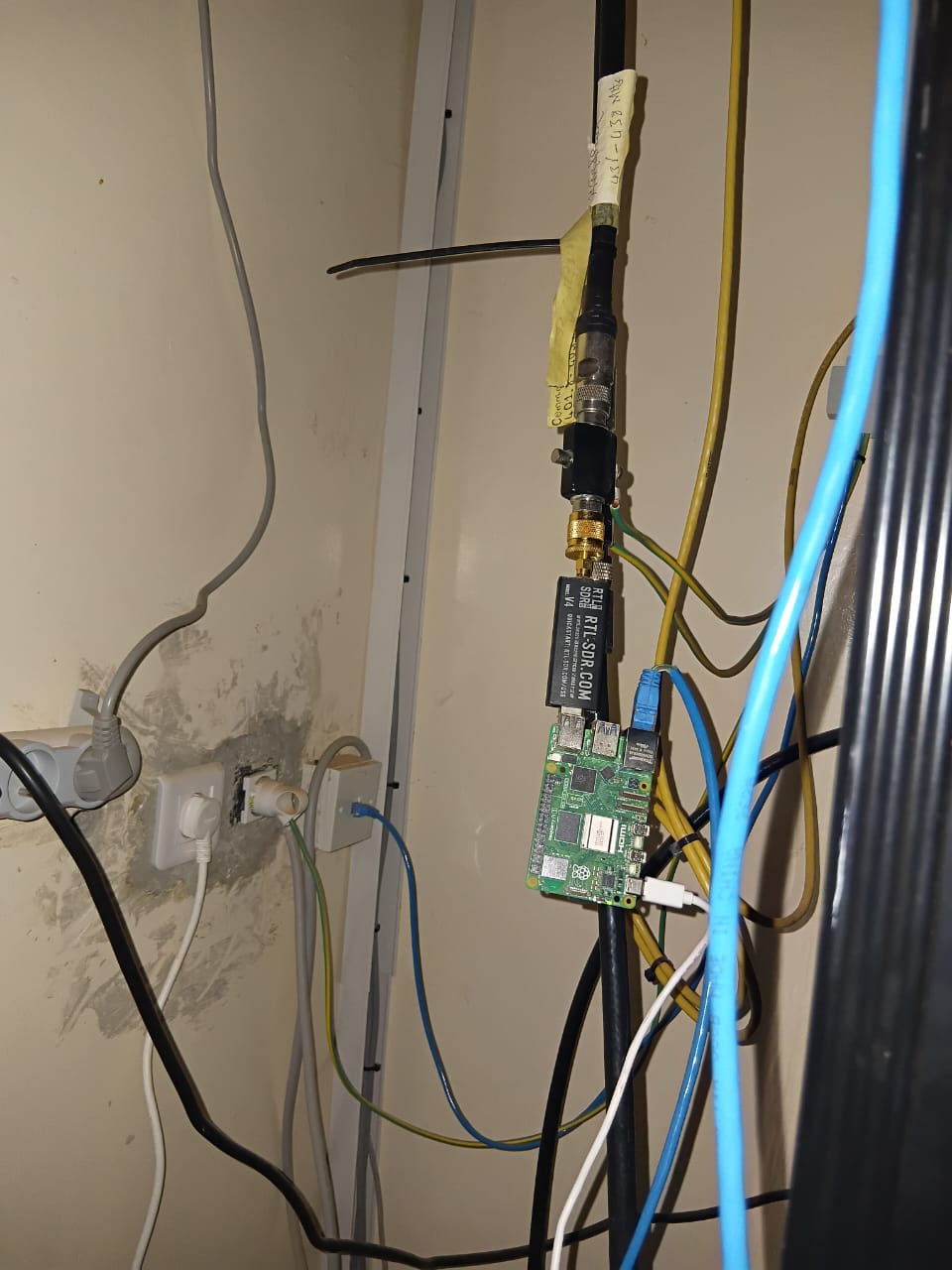
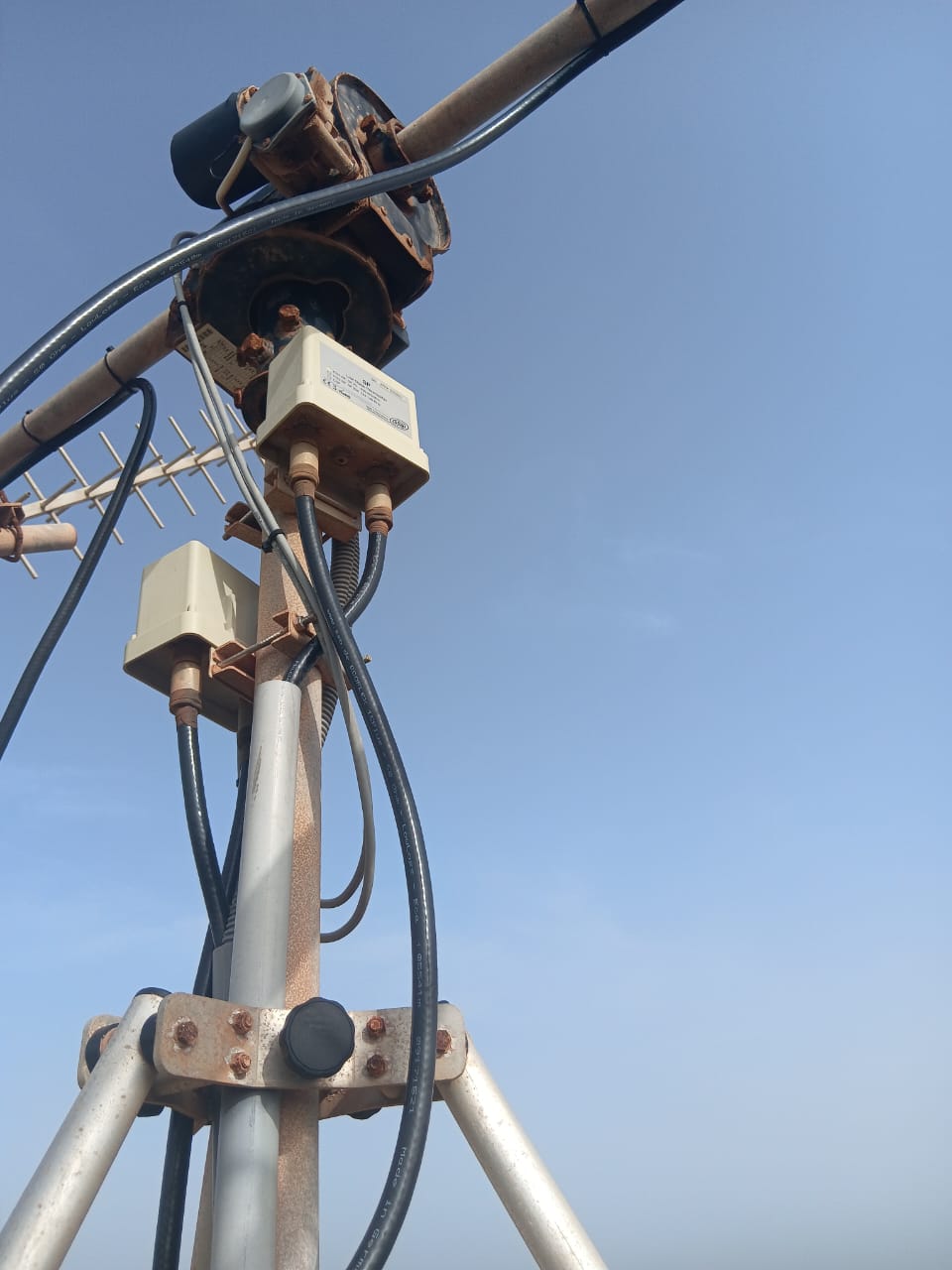
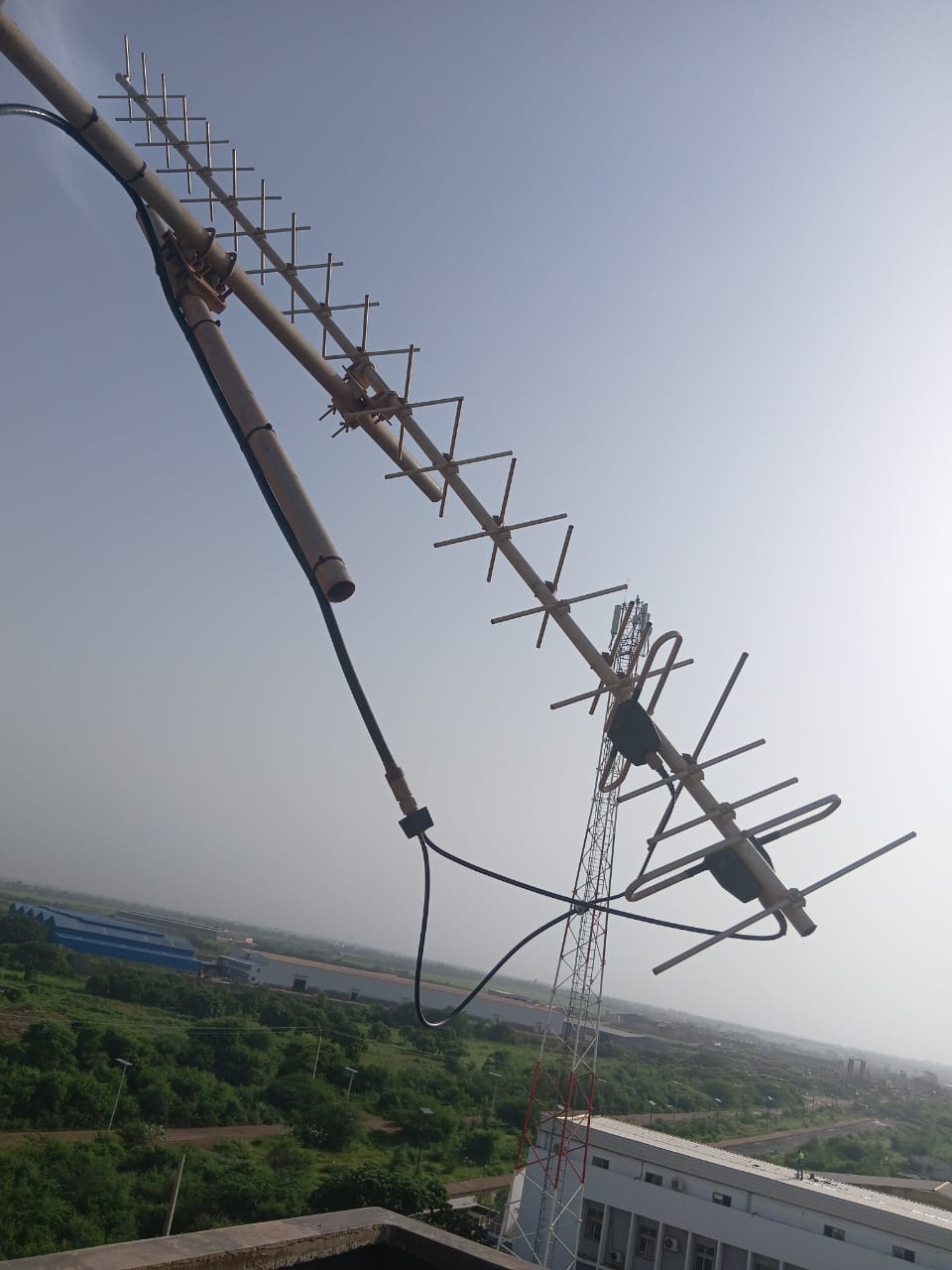
Yes, I have some basic knowledge. I haven’t tested with local radios, but I created a signal to check that the elements were working properly before testing them.
No, I haven’t tried the ISS yet because we have been having power issues since the day before yesterday (that is why the station is currently turned off), but I will do it as soon as it is fixed.
1 Like
After trying ISS, bring the setup back to its bare minimum, there are a lot components that could cause the problems you have. (are those LNA/Antenna connectors oxidized?)
Pi → RTL-SDR → Coax → Antenna (single dipole, remove the circular matching line)
Then move forward step by step,
I would also suggest to not connect the RTL-SDR directly into the Pi but use an USB extension cable.
Jan | PE0SAT
1 Like
Thanks for the images. I now think I am getting where the problem lies. The LNA outside appears to be a model that cannot be powered from the Bias-T from the RTL device but needs a seperate power supply. I am taking the guess that the black “module” between the RTL device and the antenna is an earth / lightning arrestor and not an Bias-T inserter.
If you can either insert a bias-t which feeds 12 - 13.8 volt to the preamp. or take the preamp temporarily out of the circuit (bypass with N-female - N - female connecor on the cables you should have better results as now. A local signal would even have reached the SDR without antenna I guess.
Sorry to hear about the power outage !
Ben
1 Like
The LNA wasn’t connected, so I removed it, but the issue still persists.
Sorry for the late reply.
Yes, you’re right, the Raspberry Pi is unable to provide the necessary power for the LNA, but even after removing it, I still find nothing. Sorry for the late reply.
try raspberry and rtl-sdr with another antena , example usng simple dipole antenna. i suspect the problem in your coax cable from sdr to outdoor antenna